

Construction rebar plays a crucial role in construction and must be produced in compliance with recognized standards to guarantee the quality and safety of structures. Construction rebar ensures structural integrity under dynamic and static loads. International standards such as ASTM, AISI, and DIN, along with national standards like ISIRI in Iran, clearly define the requirements for the chemical composition, mechanical properties, and dimensions that rebar must satisfy. Adhering to these standards ensures the steel can endure various loads and environmental conditions while delivering consistent performance. Click to view deformed rebar.
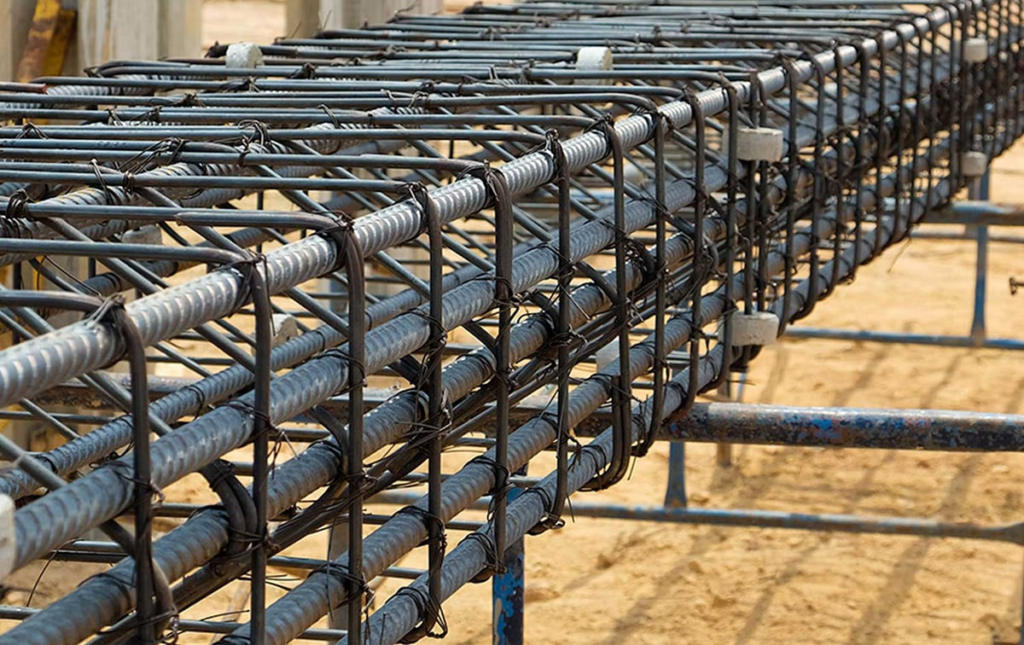
The type of rebar used is equally essential. Plain bars, with their smooth surfaces, are suitable for lightweight concrete and non-load-bearing structures. On the other hand, deformed bars have ridges designed to enhance bonding with concrete, making them ideal for reinforced concrete structures as they improve force transfer. The choice of rebar should align with the structural needs and design specifications. Diameter and size also play a key role in construction rebar selection. Typically ranging from 6 to 32 millimeters, these dimensions must precisely match the structural design.
Any discrepancies in size or diameter can compromise the structure’s strength, emphasizing the need for meticulous inspection both at the manufacturing stage and on-site. Mechanical properties are another critical aspect regulated by standards. Characteristics such as yield strength, tensile strength, ductility, and tensile resistance are vital and must be rigorously assessed. Rebar must demonstrate the ability to bend without breaking and resist forces without cracking to ensure reliable performance under real-world conditions.
Mechanical Performance Requirements for Structural Safety
The mechanical properties of rebar play a critical role in the design and construction of concrete structures, as they directly influence how the structure behaves under various types of loads. These properties determine the performance of construction rebar under tensile, compressive, and bending forces, impacting how much stress it can withstand before deforming or failing. Thorough assessment of these characteristics is essential to ensure the safety and longevity of any structure. Yield strength is a primary indicator of performance. Click here to view plain rebar.
It represents the level of tensile stress rebar can endure before experiencing permanent deformation. For standard construction-grade rebar, yield strength typically falls between 300 and 500 MPa, depending on the steel type and production standards. Adequate yield strength minimizes the risk of sudden structural failure under unexpected loading conditions. Another crucial parameter is ultimate tensile strength, which measures the maximum stress the construction rebar can tolerate before complete failure occurs. This value normally ranges from 400 to 600 MPa.
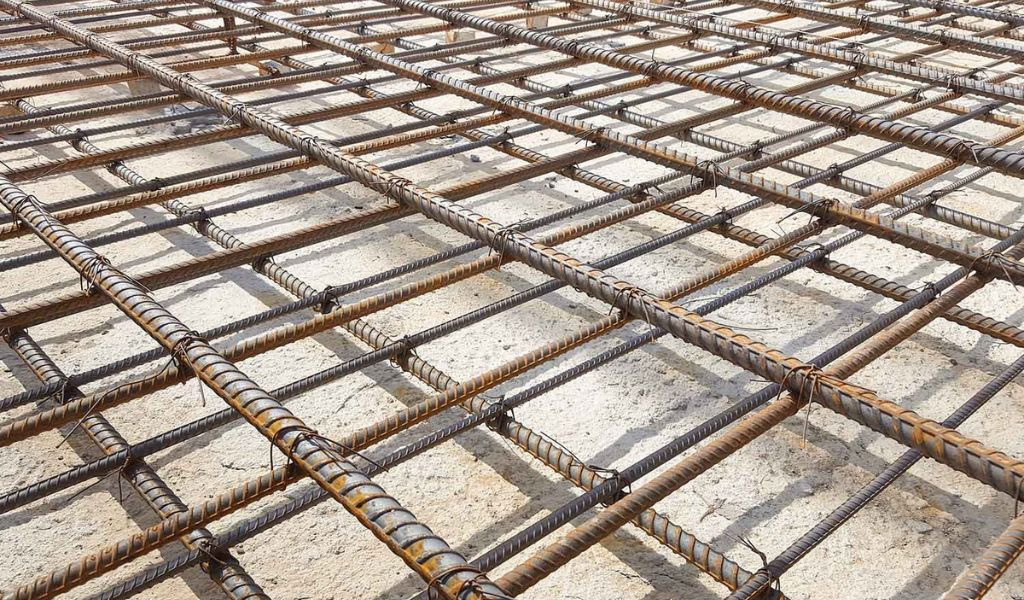
The difference between yield strength and ultimate tensile strength highlights the rebar’s ability to handle additional stress before breaking, which is a key factor in structural resilience. Ductility is equally vital, as it allows rebar to bend and deform without cracking or fracturing. This property is especially important in reinforced concrete structures, as it facilitates the redistribution of forces while reducing the likelihood of sudden, catastrophic failure. Rebar with low ductility poses a significant risk, as it may fail prematurely under stress.
Additional considerations include hardness and fatigue resistance, which are often required for specific applications. Hardness indicates the material’s ability to resist surface wear and minor corrosion, while fatigue resistance assesses its performance under repetitive or cyclic stress conditions. These attributes are particularly relevant in demanding projects like bridges, high rise buildings, and industrial structures. Rebar with suitable strength, ductility, and hardness provides superior structural reliability.
Surface Quality and Bonding Integrity
The surface quality and appearance of rebar are crucial factors influencing its performance in reinforced concrete structures. A smooth surface, free of cracks or deep cavities, is essential as surface defects can concentrate stress, diminish the bar’s strength, and potentially cause premature structural failure. Therefore, inspecting rebar for defects prior to installation is vital to avoid embedding substandard materials in concrete. The ribs or protrusions on the rebar’s surface must also have a consistent and regular pattern.
These ribs are engineered to enhance the bond between rebar and concrete by improving adhesion and transferring forces effectively. Any irregularities or damages to these ribs can compromise this bond, leading to reduced performance under tensile or bending loads. The color and overall condition of rebar provide further indicators of its quality. While a minor layer of surface rust is typically acceptable, severe rust or corrosion can weaken the rebar, reducing its strength and durability.
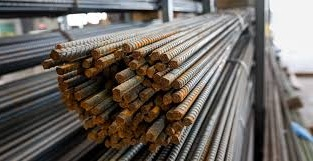
Additionally, corroded construction rebar can chemically interact with the concrete, adversely affecting the structure’s longevity and integrity. Rebar cleanliness and coating condition are equally important. It should be free from contaminants such as oil, dirt, or grease. These substances hinder proper bonding with concrete. If contaminants remain on the surface, the concrete cannot fully engage with the rebar, weakening the bond strength and overall structural capacity. Click here to view plain rebar.
To maintain high-quality standards, rebar undergoes both visual inspections and laboratory testing. Visual checks help detect visible damage, rust, or cracks, while laboratory tests provide a precise assessment of corrosion levels and other potential defects. These processes ensure that both aesthetic and functional requirements are met before incorporating rebar into construction projects. Rebar with smooth surfaces and uniform ribs performs more reliably.
Dimensional Accuracy and Weight Verification
Controlling the dimensions and weight of construction rebar is a crucial step to ensure the quality and safety of concrete structures. The dimensions, including diameter and length, must adhere to design specifications and relevant standards. Deviations in the specified diameter can compromise the rebar’s ability to resist tensile and bending forces, ultimately impacting the structural performance. The weight of rebar is also an important factor for assessing compliance with standards and production quality.
It can be calculated using standard reference tables based on the diameter and length. Significant discrepancies between actual and theoretical weights may reveal internal voids or the use of steel with a lower density, both of which can affect reliability. Ensuring that construction rebar length aligns precisely with structural design requirements is equally critical. Rebars that are either shorter or longer than specified may require additional cutting or welding.
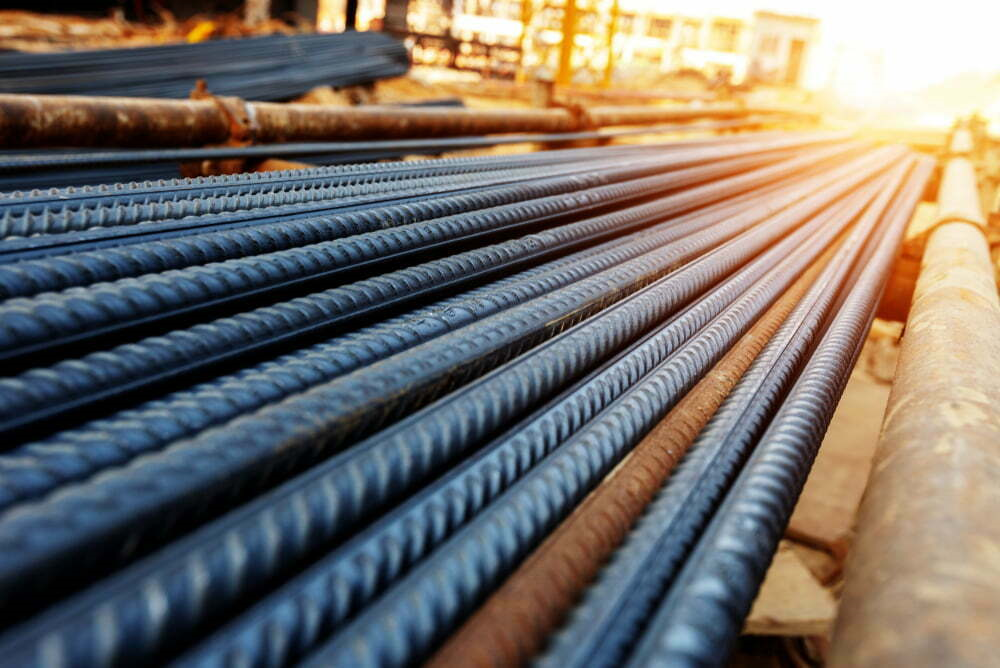
Such alterations not only increase costs but can also introduce weak points in the structure, potentially compromising its integrity. Monitoring for bending and warping is another vital aspect of dimensional control. Rebars should remain free from excessive deformations or twists, as such flaws can hinder proper placement within concrete forms and weaken the bond between the steel and concrete. Uncommon bends are often detectable through visual inspection and can either be corrected or rejected based on the severity. Click to view deformed rebar.
The use of precise instruments, such as calipers, micrometers, and scales, is indispensable for accurately measuring construction rebar diameter, length, and weight. These tools enable thorough and efficient inspections, ensuring that specifications provided by the manufacturer are met without error. Properly dimensioned rebars strengthen bonding with concrete and ensure structures behave as intended under applied loads. Dimensional control reduces the likelihood of future structural issues significantly.
Construction Rebar Certification and Quality Assurance Protocols
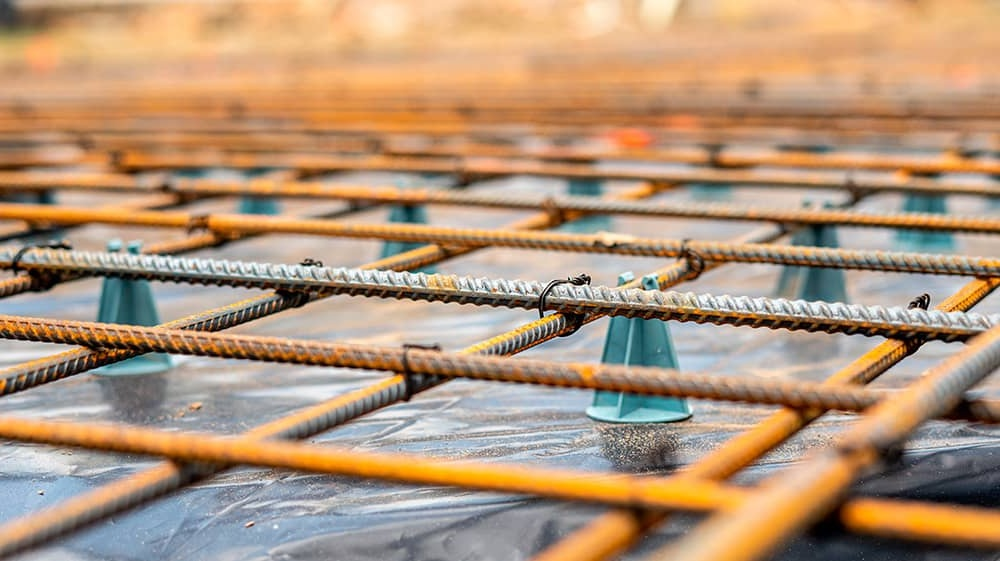
The certification and approval of rebar are critical to ensuring the quality and safety of concrete structures. These documents confirm that the rebar has been produced in compliance with national and international standards and that its mechanical and chemical properties have undergone thorough testing and verification. Without these certifications, there can be no assurance of the rebar’s performance within the structure. A key document in this process is the construction rebar test report or certificate.
This report outlines essential details such as the type of steel, diameter, weight, length, yield strength, ultimate strength, and chemical composition. These specifications allow engineers and contractors to confirm that the construction rebar aligns with the design requirements of the structure. Quality control tests form an integral part of the certification process. Common tests include tensile strength, bending resistance, hardness evaluation, and chemical composition analysis. Click to view deformed rebar.
The outcomes of these tests demonstrate that the construction rebar is capable of withstand projected loads and environmental stresses, ensuring its safe and stable performance in the structure. Issuing a quality certificate also serves to establish the legal and technical accountability of the manufacturer. Should any issues arise related to the rebar’s performance, these documents provide a basis for legal recourse and quality assessment. This assurance enhances trust among contractors and engineers in the reliability of the product.
Such certification documents must be issued by accredited, reputable laboratories. These laboratories utilize precise testing equipment and adhere to standardized procedures to evaluate the mechanical and chemical properties of rebar, ensuring accurate and reliable results. Using uncertified rebar in critical structures poses significant risks. Certification serves not only as a guarantee of product quality but also as a foundation of trust.
Storage Best Practices to Preserve Rebar Integrity
Proper storage and handling of rebar are vital for preserving its quality and ensuring safety. Rebars should be stored in a dry area, away from moisture, to prevent rust and corrosion. Exposure to moisture can damage the rebar’s surface, weaken its bond with concrete, and compromise the structural integrity. Placing construction rebars directly on wet ground or in contact with soil increases the likelihood of corrosion and physical damage.
Instead, it is advisable to store them on wooden or metal supports to allow airflow underneath and avoid direct soil contact. To prevent bending and warping, rebars should be arranged parallel to each other and organized systematically. Irregular stacking or excessive weight on lower layers may cause permanent deformation, lowering the bars’ quality. Maintaining proper spacing between layers and ensuring alignment is therefore crucial. Click to view deformed rebar.
Transportation also requires careful attention. Securing rebars with appropriate straps and fasteners during transit helps prevent slipping, falling, or bending. Mishandling during this process can lead to surface damage, warping, or breakage. For long and heavy construction rebars, utilizing suitable equipment like cranes or hoists is essential to avoid the manual lifting of heavy loads. This not only safeguards the rebar from potential damage but also enhances workplace safety.
Adhering to proper storage and handling practices preserves the quality of rebar, simplifying its installation in concrete and ensuring safer construction. Well-maintained rebars provide stronger bonds with concrete, greater strength, and contribute to the extended durability of the structure. Storage protocols directly impact on-site performance metrics. Environmental protection during storage prevents costly rejections.
Chemical Composition and Material Traceability
Standards also stipulate strict guidelines for chemical composition. The proportions of elements like carbon, manganese, silicon, and others significantly affect the strength, ductility, and weldability of construction rebar. Manufacturers are obligated to use premium raw materials and conduct chemical tests to confirm that the steel meets the required mechanical properties. Carbon content directly influences hardness and tensile capacity.

Excessive carbon reduces weldability and increases brittleness risks. Manganese enhances strength without compromising ductility significantly. Silicon improves deoxidation during steelmaking, yielding cleaner microstructures. Trace elements like sulfur and phosphorus must remain below threshold limits to avoid hot shortness or cold brittleness. Every batch undergoes spectral analysis for elemental verification. Material traceability systems link chemical data to production heat numbers. This enables full lot tracking from billet to finished construction rebar. Non-conforming batches are quarantined immediately. Chemical consistency ensures predictable performance across large projects. Deviations trigger root cause analysis and process correction. Accurate composition reporting builds client confidence in structural reliability. Click here to view plain rebar.
Installation and On-Site Quality Control
On-site verification ensures construction rebar meets design specifications before concrete placement. Field technicians cross-check diameter, grade markings, and surface condition against delivery documentation. Bent or corroded bars are removed from the reinforcement cage. Proper lap splicing and anchorage lengths are validated per structural drawings. Welded connections undergo visual and non-destructive testing where required. Contamination from formwork oils or soil is cleaned prior to pouring. Adequate concrete cover depth is confirmed using spacers and gauges. These steps prevent bond failure and corrosion initiation post-construction. Real-time quality logs support compliance audits and warranty claims.
Skilled labor training reduces installation errors significantly. Digital checklists streamline inspection workflows. Rebar placement accuracy directly affects load path integrity. Post-pour integrity depends on pre-pour verification rigor. On-site controls complement factory quality systems holistically.
Comparative Analysis of Construction Rebar Types
Plain bars offer cost advantages for non-structural applications like footings or paving. Their smooth surface simplifies bending for complex shapes. However, low bond strength limits use in tension zones. Deformed rebar dominates structural frameworks due to superior concrete adhesion. Rib geometry varies by standard—ASTM uses transverse lugs, while ISIRI specifies angled patterns. High-strength grades like Fe500D provide enhanced ductility for seismic zones. Epoxy-coated or galvanized variants resist chloride attack in marine environments. Stainless steel construction rebar offers maximum corrosion resistance for critical infrastructure. Click here to view plain rebar.
Selection balances performance needs, environmental exposure, and lifecycle cost. Hybrid systems combine plain and deformed bars strategically. Innovations like fiber-reinforced polymer bars serve niche applications. Traditional steel construction rebar remains dominant due to cost-effectiveness and recyclability. Material choice directly impacts structural resilience over decades.
Future Trends in Construction Rebar Technology
Emerging technologies focus on sustainability and performance enhancement. Recycled content in rebar exceeds 90% in many modern mills. Carbon-neutral production pathways are under active development. Digital twins monitor construction rebar performance in smart infrastructure. Click to view deformed rebar.
Corrosion-resistant alloys reduce maintenance in aggressive environments. Self-sensing rebar with embedded sensors detect strain in real time. 3D-printed reinforcement enables complex geometries for architectural concrete. Global codes increasingly mandate ductile detailing for seismic safety. Life cycle assessment guides material selection beyond initial cost. Circular economy principles drive closed-loop recycling systems. Digital certification platforms enhance supply chain transparency. Future rebar will integrate more with building information modeling workflows. Innovation ensures construction rebar remains central to resilient construction globally.



No Comment