

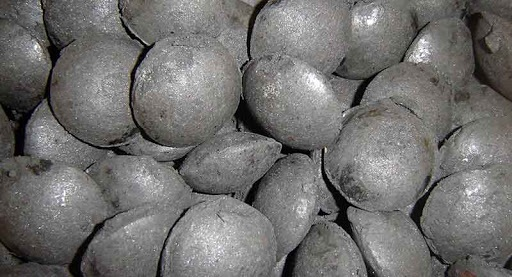
Raw materials are among the most critical factors influencing the pricing of briquettes, with their type and quality directly impacting the final production cost. Commonly used materials for briquette manufacturing include sawdust, wood waste, coal dust, coal, paper pulp, and some industrial carbons. Each of these materials possesses distinct characteristics that affect both the quality and the heating efficiency of the briquettes. For instance, sawdust is often more affordable and widely available; however, briquettes made from it tend to have lower durability and shorter burning times. In contrast, using coal or coal dust, while more expensive, results in higher-quality briquettes with improved thermal performance. The availability of raw materials plays a significant role in determining briquette prices. Regions with abundant wood or coal reserves incur lower supply costs, which translates to reduced final prices. Conversely, sourcing raw materials from distant locations or relying on imports raises transportation expenses, thereby increasing costs. Additionally, global market fluctuations in raw material prices, such as those for wood or coal, often lead to noticeable changes in briquette pricing as suppliers adjust their rates to reflect market trends. The quality of raw materials also strongly affects costs. For example, sawdust derived from dry, healthy wood is typically more expensive than moist or contaminated alternatives, as poor-quality materials compromise briquette strength and performance. In some cases, preprocessing or cleaning of raw materials is required, further increasing production expenses. Generally speaking, cleaner, drier, and purer raw materials come at a higher cost but significantly enhance the final product’s quality. The combination and ratios of raw materials used in briquette production also influence pricing. Some manufacturers mix multiple inputs, such as sawdust with agricultural residues or paper, to reduce costs and produce a product with varied properties. However, complex blends often require advanced machinery and greater energy consumption during production, driving up overall expenses. On the other hand, simpler combinations using readily available materials lower production costs but may result in reduced quality and durability. Seasonal and environmental factors further affect raw material costs. During periods of high wood or sawdust production, prices for these materials typically decrease; conversely, during low-production seasons, their prices increase. Weather conditions, natural disasters, and changes in trade policies can also disrupt raw material availability and lead to price volatility. To mitigate such challenges, manufacturers must carefully plan for the storage and sourcing of raw materials to maintain stable pricing. Lastly, logistics, storage, and maintenance costs associated with raw materials directly contribute to the overall expense of producing briquettes. Materials that require special handling such as protection from moisture or maintaining dryness necessitate costlier storage solutions. Additionally, transporting large volumes of raw materials demands equipment and labor resources, further adding to production costs. Effective management of raw material procurement, storage, and transportation processes can help manufacturers minimize expenses and offer more competitively priced briquettes. Click here to view the hot briquette.
Production Process
The briquette production process is a crucial phase that plays a significant role in determining the quality and final cost of the product. It involves several essential steps to ensure optimal results. The process begins with the collection and preparation of raw materials, which includes crushing, drying, and sieving to achieve the desired size and moisture content. Maintaining an appropriate moisture level is critical in this stage, as materials that are too wet or too dry can hinder the pressing and compression process, leading to a low quality final product. Once prepared, the materials are fed into a pressing or extrusion machine, where they undergo compression to form the briquettes. High pressure is applied during this stage to create the desired shape. The quality and density of the briquettes depend significantly on the type and capability of the pressing machines used. Advanced machines typically produce denser, more durable briquettes with better combustion performance and higher energy release. Proper regulation of pressure and operating temperature is essential to avoid defects like cracks or breaks in the briquettes. There are two primary methods of briquette production: hot pressing and cold pressing. Hot pressing involves the application of heat alongside pressure, which aids in binding the materials more effectively and results in stronger briquettes. This method is commonly used for coal dust or carbon-based briquettes. In contrast, cold pressing relies solely on pressure without heat and is better suited for wood and agricultural materials. The production method is chosen based on the type of raw material and the intended use of the briquettes. In some cases, binders or additives like starch or other organic compounds are introduced to enhance particle adhesion and improve the durability of the final product. While these additives can boost the fuel quality of the briquettes, they also add to production costs. Consistent quality control throughout all stages of production is vital to ensure high standards, including preventing subpar materials from entering the process. Monitoring critical factors like temperature, pressure, and moisture content at each step is key to achieving superior results. After compression, the briquettes often undergo a drying or baking phase to reduce residual moisture and enhance durability and hardness. This step is particularly significant for hot-pressed briquettes as it increases their lifespan while minimizing smoke and ash production during combustion. Proper drying must be conducted under controlled conditions to ensure uniformity and avoid cracks in the briquettes. The final stage involves packaging and preparing the briquettes for transportation. Packaging plays an important role in protecting the briquettes from moisture and damage while enabling easier handling and shipping. Each stage of this process incurs costs, impacting the final price of the briquettes. Although advanced technology and stricter production controls can improve quality, they also increase expenses. Thus, manufacturers must carefully balance quality enhancements with cost efficiency to remain competitive.
Optimal Dimensions and Design of Briquettes
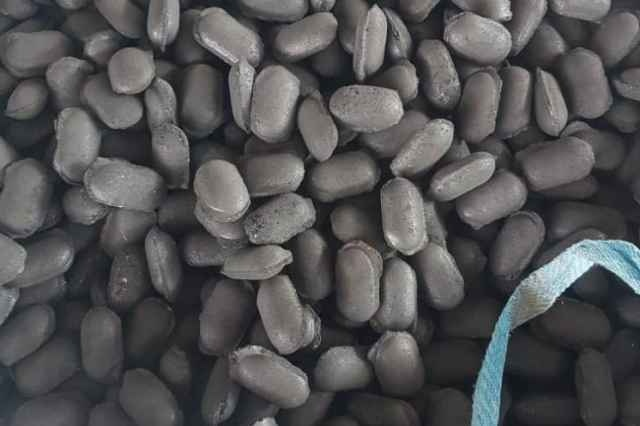
The size and shape of briquettes play a critical role in determining their quality, functionality, and market price. Briquettes are available in various forms, such as cylindrical, cubic, rectangular, or oval, each tailored for specific purposes and applications. Shape greatly impacts the combustion process; for instance, cylindrical briquettes burn more slowly due to reduced surface contact, making them ideal for stoves and grills. On the other hand, cubic or rectangular briquettes have a larger surface area, enabling faster heat generation, which is better suited for industrial use. Size is another significant factor, typically ranging between 5 to 10 centimeters in length with a few centimeters in diameter. These dimensions can vary depending on market demands and intended use. Larger briquettes tend to store more energy and burn longer but present challenges in transportation and storage due to their weight and bulk. Meanwhile, smaller briquettes are easier to handle and transport but burn faster, requiring more frequent replacements. A key challenge in briquette production is ensuring uniformity in size and shape. Irregular briquettes complicate packaging and storage, increase the risk of damage during transportation, and result in uneven combustion during use, diminishing the overall user experience. To address these issues, manufacturers rely on precision machinery and standardized molds to create briquettes with consistent dimensions and shapes. Beyond their functional performance, the size and shape of briquettes also impact production costs. Specialized designs or custom sizes necessitate advanced molds and equipment, driving up manufacturing expenses. Conversely, simpler shapes and standard dimensions reduce mold-making costs, ultimately lowering the price for end users. It is essential to consider consumer preferences and market demands when deciding on size and shape. Packaging and storage methods are also closely tied to the regularity of briquette dimensions. Uniformly shaped briquettes can be packed more compactly, minimizing space requirements and lowering storage and transportation costs. Additionally, dense and evenly shaped briquettes are more durable, less prone to breakage, and help maintain product quality throughout distribution. The choice of size and shape should align with the intended application. For large industries and power plants, bigger and denser briquettes are preferable as they reduce replacement frequency and enhance thermal efficiency. In contrast, household use or barbecues benefit from smaller, specially shaped briquettes that enable better combustion control and more consistent burning. Ultimately, selecting the appropriate size and shape is critical for a briquette’s market success. Click here to view the cold briquette.
Quality and Physicochemical Properties
The quality and physicochemical properties of briquettes are pivotal in determining their performance, durability, safety, and final cost. One of the most critical quality indicators is density. Briquettes with higher density tend to burn more efficiently, generate more heat, and sustain combustion for longer durations. Factors influencing density include the type of raw material, the level of applied pressure, and the production techniques used. This makes density a key consideration for consumers, especially in industrial applications. Another vital quality parameter is the mechanical strength of briquettes. Physically robust briquettes are less prone to breakage during transport or storage and minimize waste. The compression method, moisture content, choice of binders or additives, and drying time all contribute to their overall strength. Manufacturers producing durable briquettes often offer higher-value products that perform better in competitive markets. The chemical composition of briquettes significantly impacts their usage efficiency and emission levels. Fixed carbon content, ash percentage, moisture level, and volatile compounds are important chemical indicators. Briquettes with a higher carbon ratio deliver greater heat output, making them ideal for heating purposes. In contrast, briquettes with elevated ash content experience reduced efficiency, increase maintenance requirements, and may even cause damage to industrial equipment. Moisture content is another critical determinant of briquette quality. Excessive moisture makes ignition challenging, reduces heat generation, and produces more smoke. Consequently, manufacturers strive to keep moisture levels below 10%. Ensuring an effective drying process during production along with optimal storage conditions helps maintain low moisture levels, thereby improving overall product quality. Physical traits such as uniform color, absence of cracks, and structural integrity also play a role in assessing quality. Consistently well-formed briquettes reflect meticulous production practices while enhancing customer trust. Cohesion on the briquette surface can further influence combustion behavior, as surface cracks may lead to uneven heat distribution. Ultimately, maintaining strict control over the physicochemical properties of briquettes enables manufacturers to produce products with reliable performance, high fuel efficiency, and minimal environmental impact. This becomes particularly crucial in export markets where rigorous quality standards apply. To achieve superior quality, the adoption of modern laboratory equipment, consistent monitoring during production, and skilled personnel is essential factors that directly contribute to brand reputation and market competitiveness.
Geographical Location and Transportation Costs
Geographical location significantly determines the final price of briquettes. Factories situated near sources of raw materials, such as iron ore mines, coal reserves, or wood supply areas, benefit from lower input costs. This closeness reduces transportation expenses for raw materials, minimizes lead times, and decreases risks tied to supply chain disruptions. As a result, location directly influences the profitability of producers. Proximity to consumer markets is equally vital. Factories near industrial hubs, power plants, or densely populated urban areas gain a distinct advantage in reducing transportation costs to end users. This enables them to offer more competitive pricing and secure a larger share of the market. Conversely, producers in remote regions or areas with limited transport infrastructure often contend with higher production expenses. Another critical factor is transportation infrastructure, such as access to highways, railways, or export ports. Factories with well developed logistics networks can transport raw materials and finished products at lower costs and more efficiently. On the other hand, locations lacking adequate infrastructure face escalated vehicle maintenance and operational costs, which diminish overall service quality and lead to notable price differences in briquette production across regions. Fuel and energy expenses required for transport are similarly sensitive to geographical conditions. In mountainous regions, steep and rugged terrain increases fuel consumption, raising transportation costs. Additionally, when production facilities are far from consumer markets, fuel expenses, driver wages, and vehicle wear and tear escalate sharply. These added outlays inevitably impact the selling price of briquettes. In the realm of international trade, proximity to ports, free trade zones, or export borders holds particular significance. Factories near these areas can access global markets faster and at lower costs. Furthermore, differences in customs duties, export taxes, and international shipping rates which often vary by location substantially affect the pricing of briquettes in foreign markets. In summary, geographical location and transportation costs heavily shape strategic decisions for producers and investors. Companies typically conduct detailed site-selection analyses to identify economically viable factory locations that maximize profits. At the same time, customers often weigh transportation costs when choosing suppliers, influencing their purchasing decisions. Consequently, geographical and logistical positioning plays a decisive role in pricing dynamics and overall market competitiveness. Click here to view the iron concentrate.
Order Volume
Order volume is a critical factor influencing the pricing of briquettes, directly shaping production costs, transportation expenses, and profit margins. Larger, bulk orders enable producers to leverage economies of scale, significantly lowering the cost per unit as production volume grows. This is mutually beneficial, as customers often enjoy special discounts and more competitive pricing with higher volume purchases, thereby reducing their overall expenditures. Conversely, smaller orders typically come with a higher unit price. Low production volumes mean that overhead costs—such as labor, production setup, packaging, and equipment maintenance—are spread across fewer units, leading to increased pricing. Additionally, smaller orders are less likely to qualify for transportation or freight discounts, often leaving customers to shoulder a greater share of delivery expenses. In industrial and commercial contracts, order volume frequently serves as a deciding factor in the level of supplier service. For larger orders, suppliers may provide added-value services such as complimentary loading, temporary storage options, or guarantees of uninterrupted supply. These features are particularly advantageous for major buyers like industrial firms or export traders, helping them maintain consistent operations. Order volume can also affect delivery prioritization. Producers generally favor large orders due to their higher profitability and streamlined production scheduling. Smaller orders, on the other hand, may encounter delays or even rejection—especially during peak periods like the colder months when fuel demand surges and production capacity is under strain. To encourage bulk purchases, many manufacturers adopt tiered pricing structures where unit costs decrease as order volumes rise. This approach incentivizes customers to place larger orders while optimizing production efficiency, creating mutual economic advantages and fostering long-term business relationships. Ultimately, order volume serves as a measure of trust and collaboration between buyers and sellers. Regular, high-volume customers are often valued as long-term partners and can enjoy benefits such as favorable payment terms, prioritized supply, and participation in product development initiatives. As such, order volume transcends being a mere number; it is a strategic element that significantly influences commercial dynamics and pricing strategies.
Market Factors and Competition
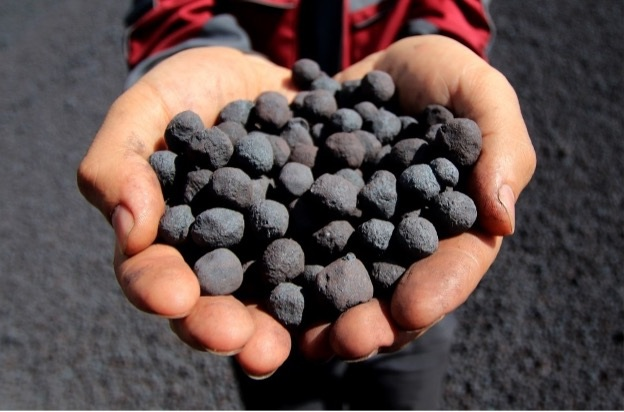
Market dynamics and competition are critical in shaping briquette prices, significantly influencing producers’ cost structures and strategic decisions. A major determining factor is the interplay of supply and demand. When demand rises, prices typically increase, especially if supply cannot adjust swiftly. Conversely, in oversaturated markets or during demand slumps, prices tend to drop, compelling producers to compete more aggressively to attract buyers. Competition, both from domestic and international players, further impacts pricing. A competitive environment characterized by producers of varying capacities and quality drives prices toward equilibrium. Imported briquettes offered at lower prices often intensify pressure on local producers, pushing them to either enhance product quality or lower prices. While such competitive conditions benefit consumers, they pose considerable challenges for producers. The nature of the target market also plays a significant role in pricing strategies. Industrial buyers are generally less sensitive to price fluctuations, prioritizing quality and product consistency. On the other hand, household consumers exhibit higher price sensitivity, with even small price adjustments influencing purchasing behavior. Recognizing these distinctions is vital for producers to formulate effective pricing strategies. Marketing and branding efforts likewise contribute to price variations. Established brands with strong reputations can often command premium prices due to their perceived value and customer trust. In contrast, newer or lesser-known brands may need to rely on competitive pricing or promotional deals to secure market share. External economic factors, such as currency fluctuations and economic conditions, also shape the briquette market. Rising costs of imported raw materials or exchange rate volatility can lead to higher production expenses, prompting price adjustments. Furthermore, macroeconomic trends like inflation affect consumer purchasing power, ultimately impacting demand and pricing structures. Government policies and regulations constitute another influential aspect. Measures such as import tariffs, taxes, environmental standards, and incentives for local production can alter cost dynamics and competitive positioning within the market. For success in the briquette industry, it is essential for producers to stay informed and respond effectively to these regulatory and economic factors. Click here to view the iron pellets.

Packaging and Branding
Packaging is a critical factor in determining the pricing and success of briquette products. It serves not only to protect the product from moisture, impact, and contamination but also to draw customer interest and foster trust in its quality. While high-quality and durable packaging may raise production costs, these expenses are often outweighed by the increased perceived value of the product in the eyes of consumers. Thus, investing in professional-grade packaging proves to be a pivotal strategy for briquette manufacturers. Equally significant is branding, which strongly influences the price point of briquettes. A reputable and well-established brand adds considerable value, allowing producers to set higher prices compared to less recognized competitors. Customers are generally more inclined to trust established brands, which in turn fosters repeat purchases and cultivates loyalty. As such, building a strong brand is a worthwhile, long-term investment that directly contributes to commercial success. When combined, effective packaging and branding enable manufacturers to distinguish their products from those of competitors. Eye-catching designs, strategic color choices geared toward target audiences, and clear, accurate information on packaging empower consumers to make informed decisions and enhance confidence in their purchase. These elements ultimately drive sales and boost market share, which can positively influence briquette pricing strategies. Moreover, appropriate packaging plays a role in optimizing logistics. Compact and durable designs reduce transportation and storage costs while minimizing product damage across the supply chain. Lower shipping costs and reduced waste translate into more competitive pricing for both producers and end consumers. In contrast, substandard packaging can result in higher waste levels and increased costs, ultimately inflating the final price. Strong branding further supports market expansion by enabling access to new customer bases and higher-value segments. Well-known brands tend to establish stronger connections with key clients, distributors, and export markets, facilitating higher sales volumes and reducing market entry risks. Consequently, branding investments indirectly bolster pricing structures. Ultimately, the combination of effective packaging and robust branding significantly enhances the overall customer experience. Packaging that resonates with buyers and a trusted brand presence often lead to positive word-of-mouth promotion and higher brand credibility. These factors not only boost demand but also contribute to pricing stability. Therefore, prioritizing packaging and branding strategies is more than just an operational cost it is a strategic investment that ensures the long term market viability and success of briquette products.
Indirect Costs
Indirect costs play a crucial and influential role in the production and supply of briquettes, significantly impacting the final product price. These are expenses not directly tied to raw material procurement or core manufacturing processes but are fundamental to completing the production cycle. Examples include factory energy consumption, machinery maintenance and repair, and indirect labor expenses. Factoring in these costs is essential when determining the briquette pricing structure. Internal transportation within the factory stands out as a prominent indirect cost. This includes moving raw materials from storage to production lines, transporting finished briquettes to the packaging unit, and ultimately transferring them to dispatch areas. The costs associated with internal transport depend on factors such as distance, the type of equipment utilized, and labor productivity, all of which directly influence the overall product price. Another significant category of indirect costs is packaging. Effective packaging not only safeguards the product but also enhances its market appeal and transportation efficiency. Expenses related to packaging materials, design and printing, and labor contribute significantly to this cost component and must be accounted for in pricing. Storage and inventory management also represent notable indirect expenditures in briquette production. Maintaining briquettes in suitable warehouse conditions to prevent damage and ensure quality involves costs for storage facilities, climate control systems for managing temperature and humidity, and personnel for overseeing warehouse operations. These costs are integral to preserving product value and have a direct impact on profitability. Quality control and regular testing form another important aspect of indirect costs. This includes conducting chemical and physical assessments, routine inspections, and adherence to standards to maintain product quality. Although necessary to ensure customer satisfaction and high standards, these processes add to production expenses and must be reflected in the final pricing. Additionally, costs related to management, administration, marketing, sales, and after-sales services comprise another layer of indirect expenditures. These include staff salaries across departments, promotional activities, transportation for product delivery, and customer support services. These elements either directly or indirectly influence the final pricing of briquettes and must not be overlooked during cost evaluations.


No Comment