
The global steel industry serves as a cornerstone for modern infrastructure, construction, automotive manufacturing, and the energy sectors. Within this framework, iron ore pellets act as a crucial high-grade feedstock. Their demand is directly linked to steel production cycles, which are shaped by broader macroeconomic trends, government-driven infrastructure investments, and international trade dynamics.
In recent years, the move toward decarbonization has accelerated the adoption of technologies such as direct reduction iron (DRI) and electric arc furnaces (EAF). These processes rely heavily on high-quality pellets with minimal impurities, positioning pellet supply as a critical component in sustainable steelmaking. For instance, in the European Union, initiatives like the Green Deal have incentivized the shift toward low-carbon steel production, driving up demand for DR-grade pellets.
In the Middle East and North Africa (MENA), abundant natural gas resources have spurred rapid growth in DRI plant development. This has made the region one of the largest importers of iron ore pellets, sourcing significant volumes from exporters in Brazil, India, and CIS countries. Meanwhile, in Asia, China remains the dominant consumer of iron ore, but its pellet demand is increasingly shaped by stricter environmental regulations and efforts to cut emissions from traditional blast furnace operations.
Seasonal variations also play a role in the pellet trade. Supply chains may experience disruptions during the monsoon season in India or winter at northern ports, which can affect both availability and pricing. Additionally, global shipping cycles influence freight rates, further impacting the delivered cost of pellets. Exporters must carefully track trends in steel demand alongside logistical challenges to optimize their sales strategies. Click here to see the iron ore pellets.
Iron Ore Pellets Product Specifications and Market Positioning
Iron ore pellets are not a standardized commodity; their value lies in their unique chemical makeup, physical characteristics, and specific applications. Buyers typically require comprehensive specifications that include:
Fe Content: High-quality pellets contain 64–67% Fe, ensuring optimal efficiency in steelmaking processes.
Impurities: Minimal levels of SiO₂ and Al₂O₃ are crucial to reduce slag formation and energy usage.
Size Uniformity: Pellets typically range from 9–16 mm in diameter, supporting stable furnace operations.
Mechanical Durability: Properties such as Cold Crushing Strength (CCS) and tumble index are assessed to ensure resilience during handling and transport.
Reducibility: High reducibility is vital for direct reduction iron (DRI) applications to improve gas-based reduction performance.
Suppliers categorize pellets by grade, including BF grade for blast furnaces and DR grade for direct reduction processes. These are further differentiated into fluxed and non-fluxed pellets. Fluxed pellets, which incorporate additives like limestone, enhance metallurgical performance but might carry varying price points. Establishing credibility in the market requires exporters to provide technical documentation such as datasheets, Material Safety Data Sheets (MSDS), and detailed product brochures. Generic positioning is insufficient; it must align with the specific operational needs of the buyer. For instance, a DRI operator in the Middle East might prioritize low gangue material, while an Asian blast furnace operator may emphasize strength and consistency as primary considerations.
Iron Ore Pellets Quality Assurance and Verification
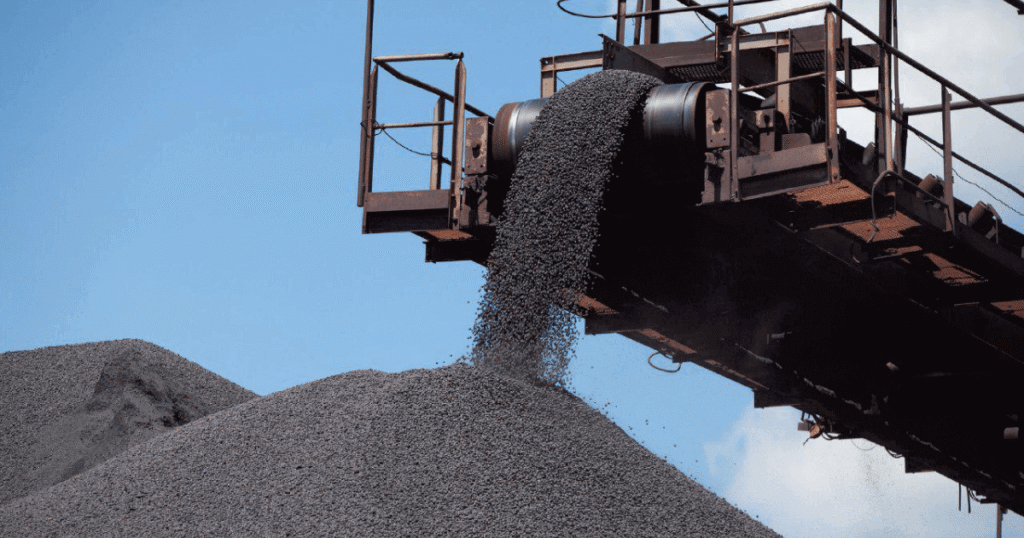
Trust is essential in pellet sales, where buyers demand not only superior products but also tangible proof of quality. The process begins at the production facility, with batch-level sampling conducted in line with ISO standards. Detailed chemical and mineralogical analyses verify the Fe content and detect impurities, while physical tests assess properties like strength and reducibility. To ensure further reliability, third-party inspection agencies such as SGS, Inspectorate, or Bureau Veritas are often involved to certify shipments. These organizations issue Certificates of Analysis (COA), inspection reports, and even provide photographic documentation of the loading process. Pre-shipment inspections are vital to ensure moisture levels remain within allowable limits, reducing risks like cargo liquefaction during transport. Traceability is equally critical. Exporters must maintain consistent records from production through to the port, enabling every shipment to be tracked back to its origin. This not only enhances buyer confidence but also safeguards exporters in case of disputes. Sharing a standardized quality assurance checklist with buyers fosters transparency and strengthens trustworthiness, creating a dependable foundation for ongoing business relationships. Click here to see the iron ore concentrate.
Iron Ore Pellets Pricing Strategy and Benchmarks
The pricing of iron ore pellets involves multiple layers of complexity, driven by factors such as global market indices, regional demand variations, and logistics expenses. A widely recognized reference point for this market is the Platts IODEX 62% Fe index, which underpins pellet pricing frameworks. Prices for pellets are commonly expressed as either a premium or discount relative to this index, with adjustments made for variables like Fe content, impurities, and transport costs. For instance, direct reduction-grade (DR) pellets with minimal silica content typically attract a significant premium, whereas pellets with higher impurity levels may incur price penalties. Freight plays a substantial role in pricing dynamics; the CFR (Cost and Freight) rate for delivery to Europe, for example, can vary considerably from an FOB (Free on Board) price quoted at an Indian port. To mitigate price volatility, many commercial agreements employ floating price formulas linked to monthly averages or specific time intervals (e.g., T+1). While some buyers prefer the stability of fixed-price contracts to align with budgeting needs, others favor index-linked pricing to better reflect real time market fluctuations. Sellers must carefully navigate these preferences to maintain profitability while meeting their customers’ expectations. Additionally, well-defined commercial terms should encompass key logistics considerations such as demurrage, dispatch , and laytime. Presenting a transparent price breakdown clearly detailing the base index value, premiums, penalties, logistics costs, and margins not only reduces the likelihood of disputes but also fosters stronger relationships with buyers.

Iron Ore Pellets Logistics and Export Operations
Managing logistics often presents the greatest challenge in the sale of pellets. Exporters need to prioritize ports with adequate draft, sufficient stockyard capacity, and covered storage facilities to accommodate large scale shipments. The choice of vessel whether Handymax, Supramax, or Panamax should align with the shipment volume and the buyer’s intake capabilities. Coordinating rail and trucking schedules with vessel ETAs is essential to avoid unnecessary delays. Controlling moisture levels becomes especially critical in humid regions to prevent cargo deterioration. In some cases, blending strategies may be necessary to meet specific buyer requirements. Performance-based contracts with stevedores are crucial to streamline loading operations and minimize laytime. Additionally, pre booking surveyor and laboratory slots helps avert workflow disruptions. Implementing a comprehensive Standard Operating Procedure (SOP) that outlines every step from the plant gate to the Notice of Readiness (NOR) can bolster buyer confidence by ensuring consistent operational reliability. Click here to see the Hot Briquetted Iron (HBI).
Iron Ore Pellets Contracts, Payment, and Risk Management
Properly drafted contracts are crucial for reducing the likelihood of disputes. Clearly defined Incoterms such as FOB, CFR, or CIF establish responsibilities and the points at which risks are transferred between parties. Additionally, it is imperative to specify tolerances for quantity and quality, along with detailed protocols for addressing any deviations that may arise. Payment terms play a pivotal role in negotiations. An irrevocable Letter of Credit (L/C) at sight remains one of the most commonly used methods, offering security to both parties involved. For long-standing buyers, open account terms secured by Standby Letters of Credit (SBLC) could be an alternative to consider. Contracts should also encompass provisions for force majeure events, mechanisms for dispute resolution such as the use of referee laboratories and clauses ensuring compliance with relevant sanctions or embargoes.To enhance clarity and operational efficiency, appendices outlining specifications, inspection procedures, and required documentation should be included as integral components of the contract.

Iron Ore Pellets Compliance and Documentation
Exporting iron ore pellets demands careful preparation and management of documentation. Key elements like export licenses, certificates of origin, and HS codes must be organized ahead of time. Additionally, environmental declarations might be necessary, particularly when dealing with regions enforcing strict regulations, such as the European Union. A typical set of required documents includes:
• Commercial invoice
• Packing list
• Certificate of Analysis (COA)
• Bill of Lading (B/L)
• Insurance certificate
• Inspection reports
Ensuring audit trails not only helps meet regulatory requirements but also safeguards exporters in case of disputes. Streamlining and standardizing documentation processes can further enhance efficiency and minimize errors.
Iron Ore Pellets Buyer Development and Sales Channels
Establishing a robust buyer base involves strategic and targeted efforts. Priority should be given to steel mills with compatible technologies, such as BF or DRI, along with trading houses that possess established offtake agreements. Conducting technical trials and initiating pilot shipments serve as effective methods to secure product acceptance. Once the product is successfully integrated into a buyer’s process, the likelihood of securing long-term contracts increases significantly. Marketing initiatives should emphasize building credibility over pursuing sheer volume. Active participation in industry events, direct collaboration with procurement engineers, and maintaining a professional presence on LinkedIn help foster trust among potential buyers. To ensure consistent engagement, a well-structured CRM system is crucial for tracking follow-ups and extracting actionable insights from both successes and setbacks.
Green Vision Group is an active trading company in the steel raw materials sector, specializing in the supply and international trade of iron ore pellets, iron ore, and other related minerals for the steel industry. The company leverages a strong network of producers and international buyers to facilitate efficient trade, competitive pricing, and reliable logistics solutions.
No Comment