

Steel billets are semi-finished steel products with a solid square cross-section, commonly produced in standard dimensions ranging from 100×100 mm to 150×150 mm or beyond, tailored to meet specific industrial needs. As a crucial intermediate form in the steel production process, they serve as the primary input for manufacturing a diverse range of long steel products such as reinforcing bars (rebar), wire rods, angles, channels, beams, rails, and various other structural and industrial profiles. Primarily produced through continuous casting (CCM) and advanced rolling techniques, steel billets boast a dense, uniform internal structure along with a consistent chemical composition. These precisely controlled production methods endow billets with superior mechanical properties, including high tensile strength, excellent ductility, and dependable impact resistance. The uniform grain structure further enhances their workability, enabling them to endure demanding hot rolling, forging, and shaping processes without cracking or defects. Additionally, steel billets are noted for their excellent surface quality, precise dimensions, and metallurgical stability—qualities critical for fabricating high-precision finished goods. Their low impurity content contributes to improved weldability and minimizes the risk of material failure in demanding applications. Owing to these attributes, steel billets find extensive use across sectors such as construction, infrastructure, automotive, heavy machinery, shipbuilding, and energy, where factors like structural strength, durability, and extended service life are paramount.
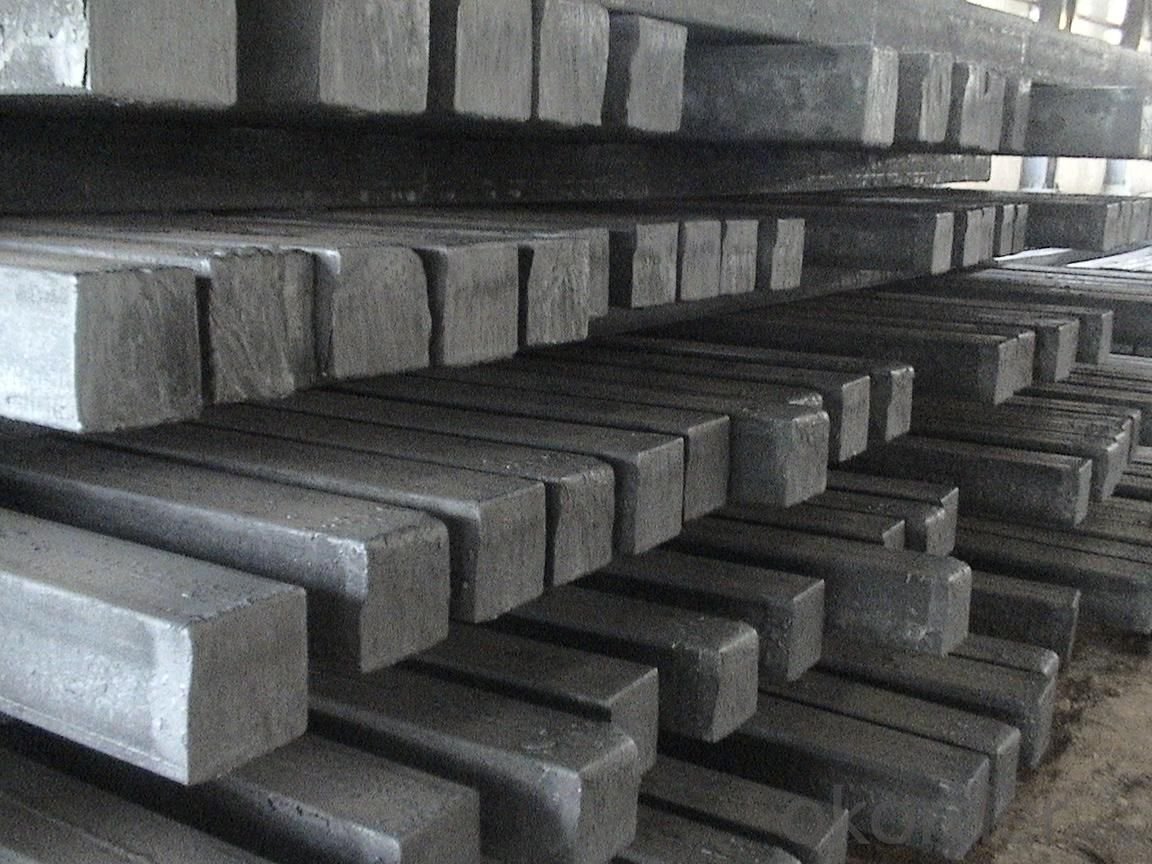
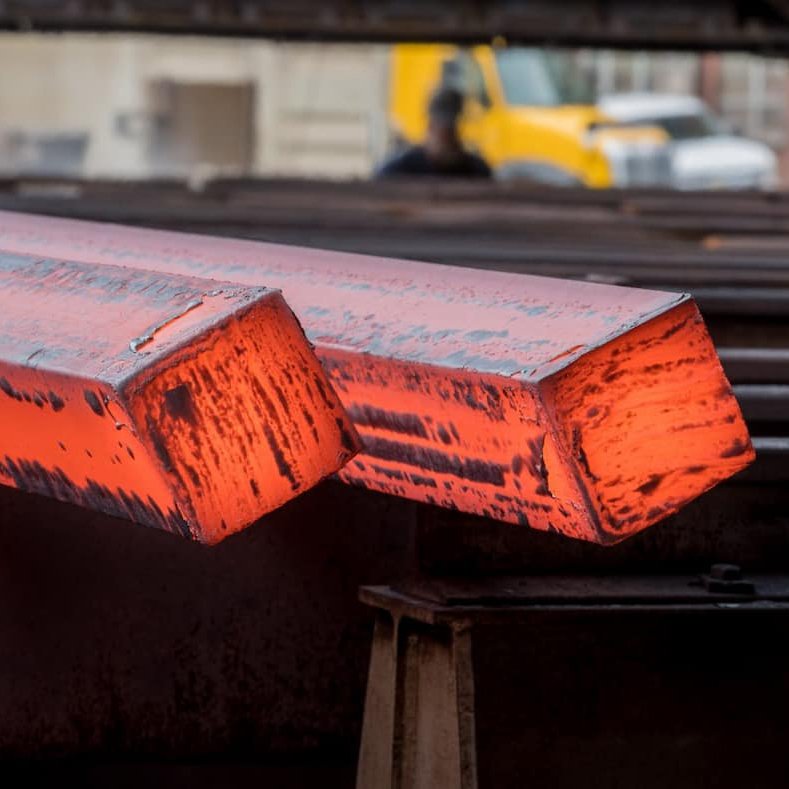
Steel Billet
Steel billets are hot-rolled or continuously cast square-section blocks (100×100mm to 150×150mm), used as raw material for rebar, structural steel, and forged components. Available in grades like ST37, ST44, 3SP, and 5SP, they offer high strength, uniform quality, and dimensional consistency. Ideal for construction, industrial forging, and machinery parts. Compliant with ASTM, EN, GOST, and JIS standards.
- Description
- Key Benefits
- Technical Specifications
- Standards & Certifications
- Packaging & Export
- Quality Contorol
Key Benefits
- High Strength & Durability: Ensures optimal performance in construction and industrial applications.
- Versatile Applications: Used for rebar production, forging, and structural components.
- Customizable Sizes & Grades: Available in ST37, ST44, 3SP, 5SP, or tailored compositions.
- Compliance with International Standards: Meets global regulatory and quality requirements.
Technical Specifications
Steel billets are widely used in:
- Rebar production for reinforced concrete structures.
- Construction sections including beams and channels.
- Industrial parts and forging applications.
| Specification | Details |
|---|---|
| Product Name | Steel Billet |
| Steel Grade | ST37, ST44, 3SP, 5SP, or customized |
| Cross-Section Dimensions | 100×100 mm to 150×150 mm |
| Length | 6 – 12 meters (customizable) |
| Approximate Weight per Piece | 900 kg – 2500 kg |
| Manufacturing Method | Continuous Casting (CCM) or Rolling |
| Surface Condition | Rough surface, without finishing |
Standards & Certifications
| Standard Code | Description |
|---|---|
| DIN 488 / EN 10025 (EU/Germany) | Standards for rebar and structural steel production. |
| ASTM A615 / A29 / A36 (USA) | Covers billets for reinforcing bars and structural applications. |
| GOST 380 / GOST 535 (Russia & CIS) | Standards ensuring durability under cold climate conditions. |
| ISIRI 3132 (Iran) | National standard for billets used in construction and rebar production. |
| BS 4449 (UK) | British standard for reinforcing steel billets. |
| JIS G3101 (Japan) | Japanese standard for carbon steel billets in construction. |
Packaging & Export
- Packaging: Available in bulk shipments or as per customer requirements.
- Minimum Order Quantity: As per client demand.
- Shipping Destinations: Middle East, Africa, Asia, and global markets.
- Delivery Terms: FOB, CIF, CFR available upon request.
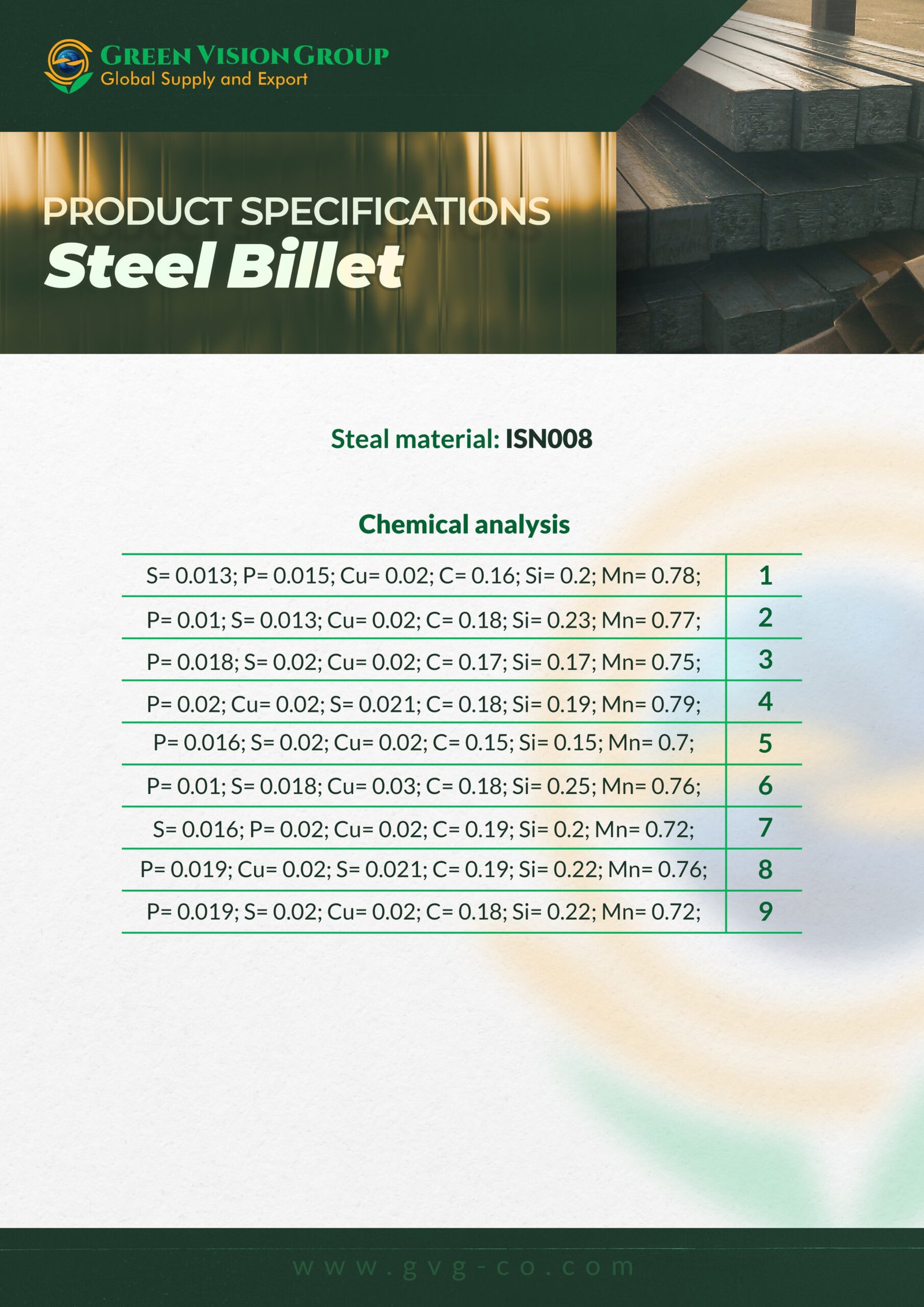
Quality Contorol
Related products
-
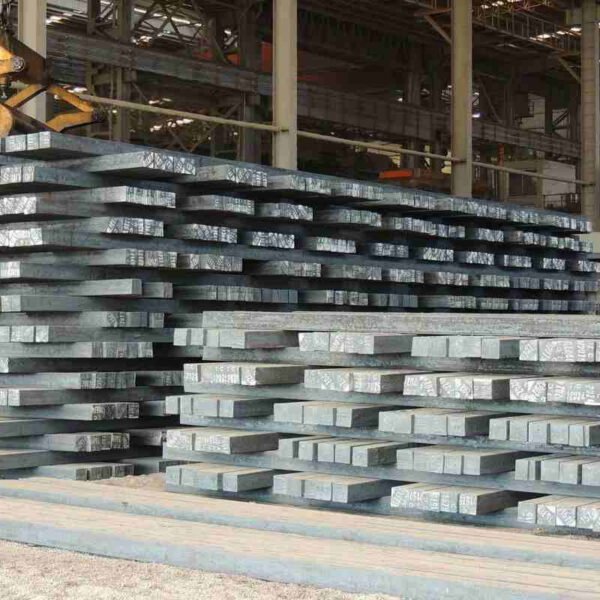
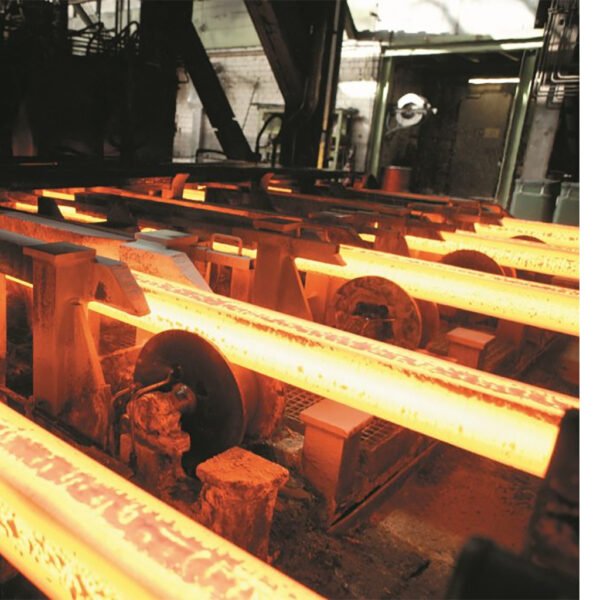
Steel Bloom
-
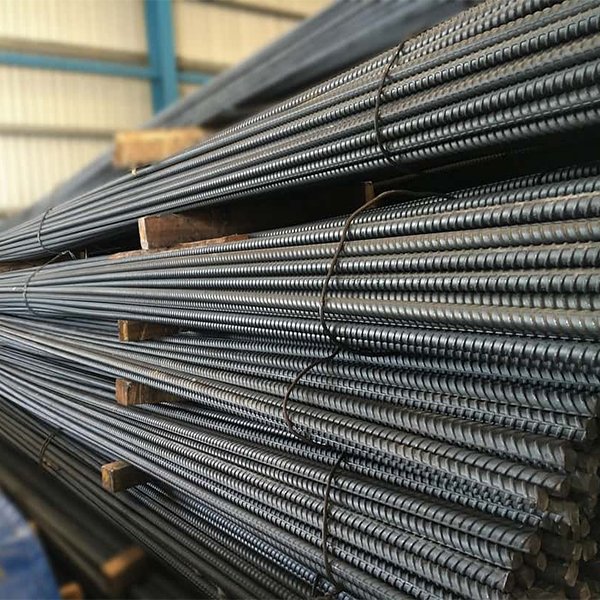
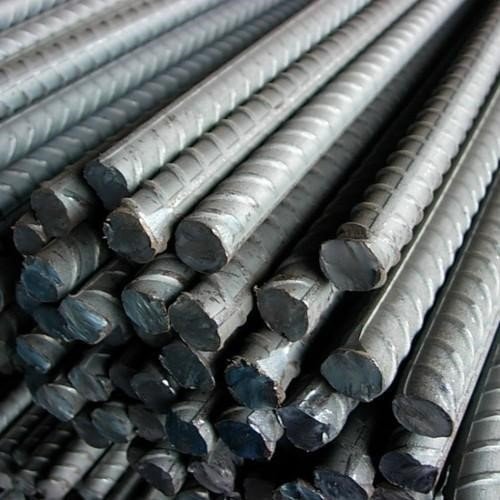
Deformed Rebar
-
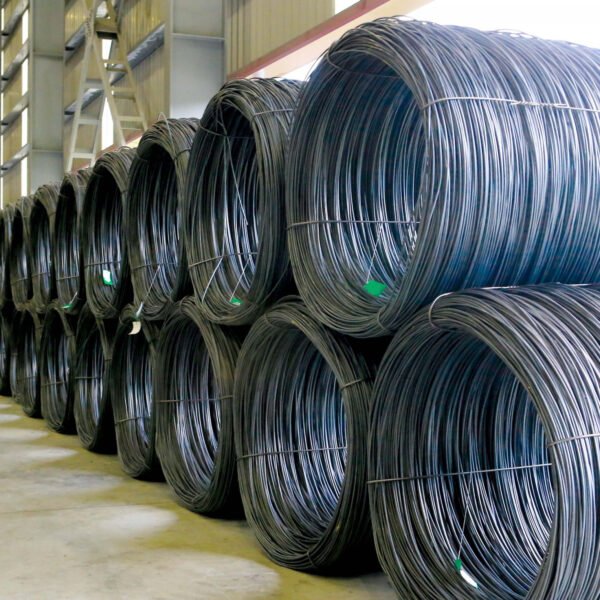
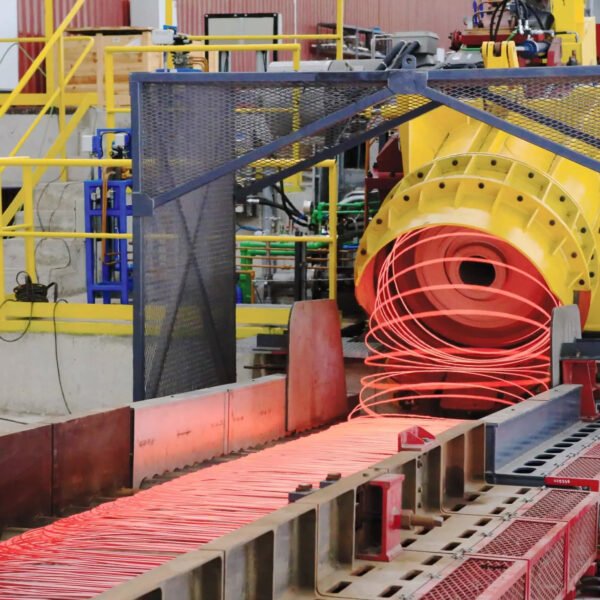
Coiled Wire Rod
-
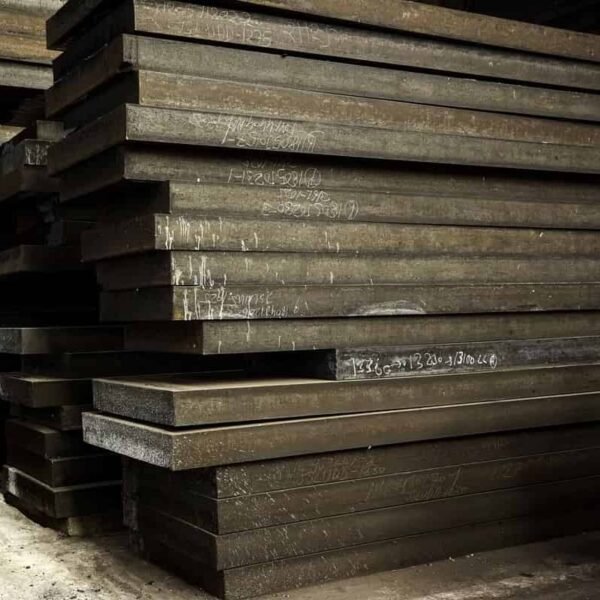
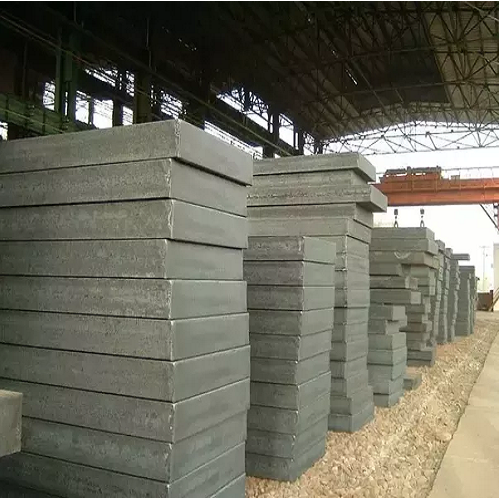
Steel Slab – High-Quality Raw Materials for Industrial Applications
-
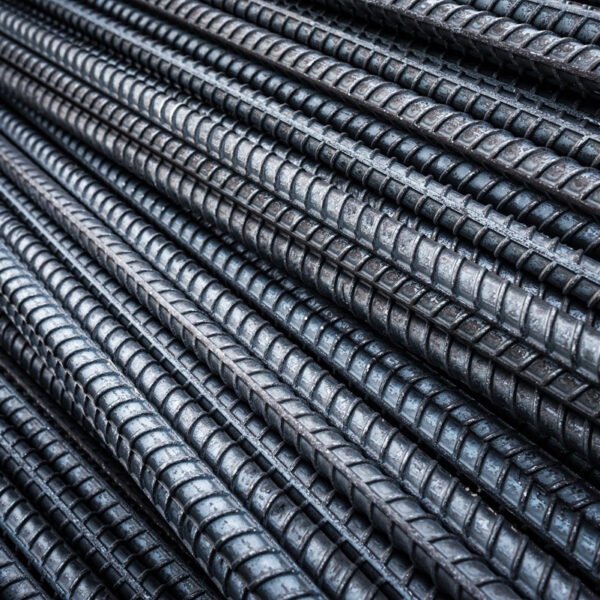
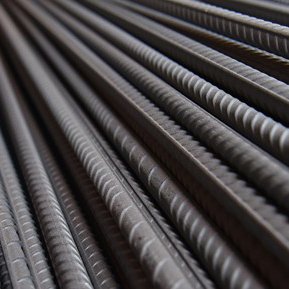
Alloy Rebar
-


Beam Rolling
-

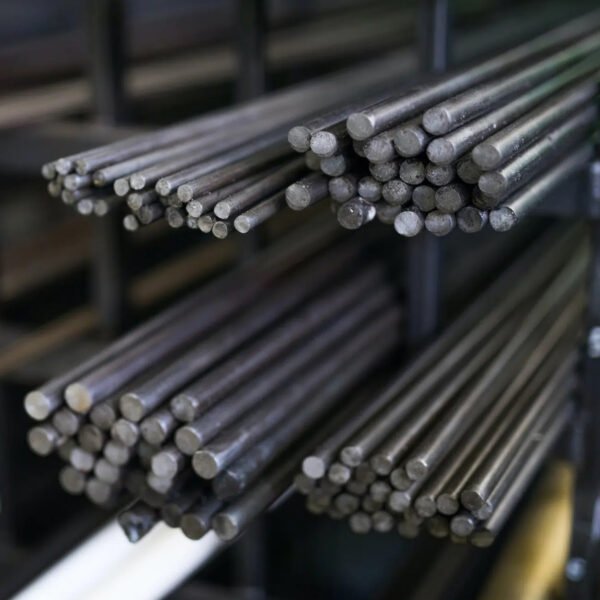
Plain Rebar