

Deformed rebar serves as a key material in construction and civil engineering, primarily utilized to reinforce concrete structures and enhance their load-bearing capabilities. Its ribbed surface pattern is specifically designed to create a strong mechanical bond with concrete, minimizing slippage and boosting structural stability under tensile, compressive, and shear stresses. This enhanced bonding is crucial for ensuring the safety and longevity of reinforced concrete structures. Available in grades like A2, A3, and A4, deformed rebar caters to diverse structural and engineering needs. Each grade is characterized by unique mechanical properties, such as variations in yield strength, tensile strength, and ductility, enabling engineers to select the most appropriate option based on project requirements and design criteria. These rebars are produced in compliance with established national and international standards to guarantee consistent quality and dependable performance. Widely used across various construction applications, deformed rebar is integral to residential and commercial structures, bridges, highways, tunnels, reservoirs, dams, foundations, and reinforced concrete frames. Its high tensile strength ensures concrete structures can effectively handle heavy loads, dynamic forces, and seismic stresses. Certain grades and coatings add resistance to environmental factors like moisture, temperature changes, and corrosion, extending the service life of structures and reducing maintenance costs. On a practical level, deformed rebar is highly workable—it can be efficiently cut, bent, or assembled to meet specific construction requirements. Most grades are weldable, although grade A4 demands controlled welding procedures due to its higher strength and carbon content. Combining strength, durability, cost-efficiency, and versatility, deformed rebar remains a vital element for ensuring dependable, long-lasting construction outcomes.
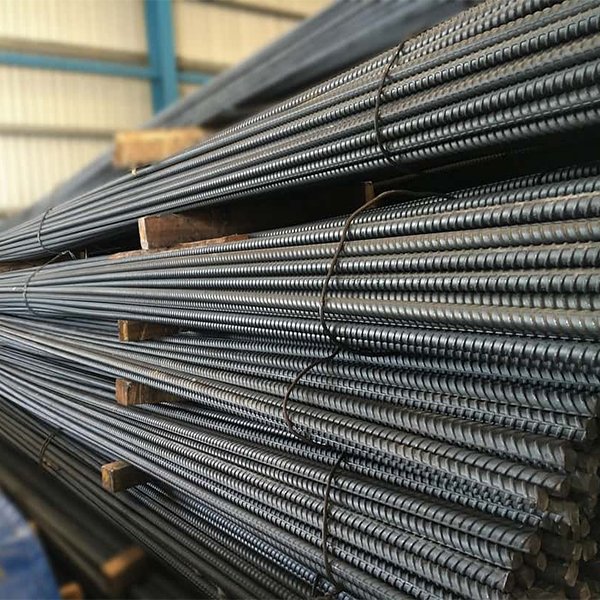
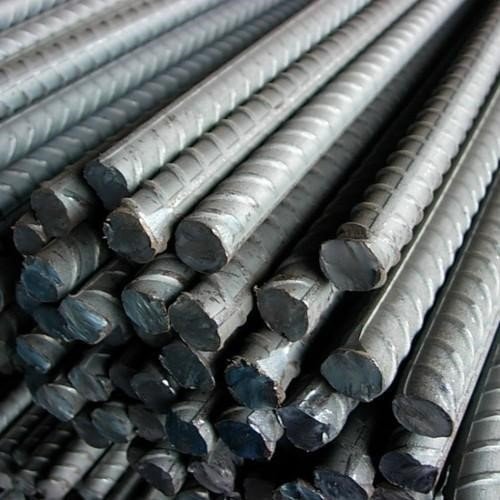
Deformed Rebar
Deformed rebar is a ribbed steel reinforcement bar designed for superior concrete bonding in construction projects. Available in grades A2 (240MPa), A3 (400MPa), and A4 (500MPa), it provides exceptional tensile strength (500-700MPa) for structural integrity in demanding environments.
Application & Industries
Deformed rebar is widely used in the construction and civil engineering sectors due to its superior strength and bonding ability with concrete. It is particularly utilized in:
- Reinforced concrete structures
- Bridges and highways
- Buildings and skyscrapers
- Dams and tunnels
- Coastal and high-humidity environment projects
Technical Specifications
| Product Type | Deformed Rebar |
| Material | Low-carbon steel or grades A2, A3, and A4 (ST44, ST52) |
| Diameter | 8 mm to 40 mm |
| Length | 6 meters or 12 meters |
| Yield Strength | 240 MPa (for A2), 400 MPa (for A3), 500 MPa (for A4) |
| Tensile Strength | 500-700 MPa |
| Packaging | Bundled with steel straps |
| Weldability | Weldable (with limitations for grade A4) |
Standards & Certifications
Deformed rebar is manufactured in compliance with various international and national standards, including:
- ASTM A615 (American Standard) – Specifications for deformed rebar used in reinforced concrete structures.
- BS 4449 (British Standard) – Guidelines for deformed rebar in structural projects across the UK.
- ISIRI 3132 (Iranian Standard) – The national standard for deformed rebar in Iran.
- DIN 488 (German Standard) – Requirements for deformed rebar under German standards.
- GOST 5781 (Russian Standard) – Standards governing deformed rebar in Russia.
Related products
-
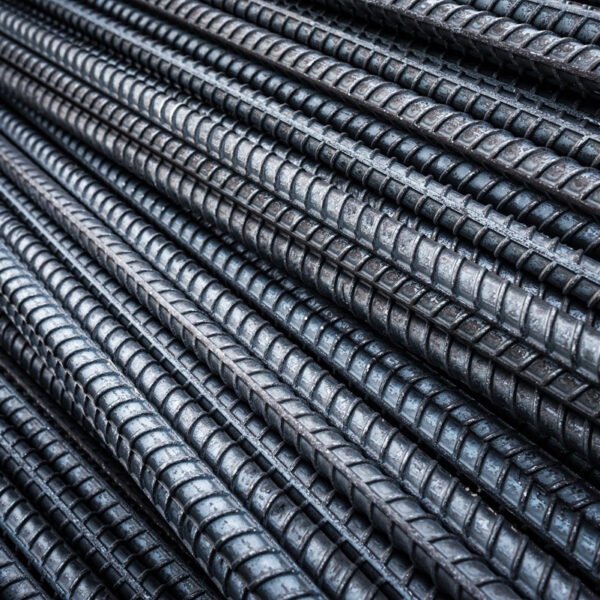
Alloy Rebar
-
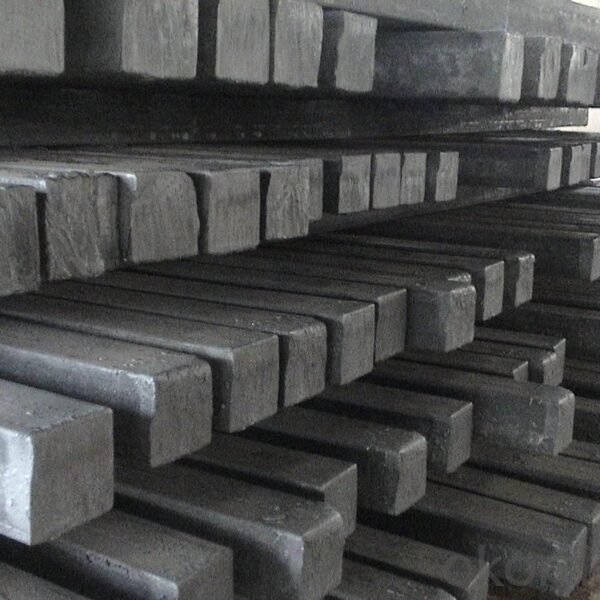
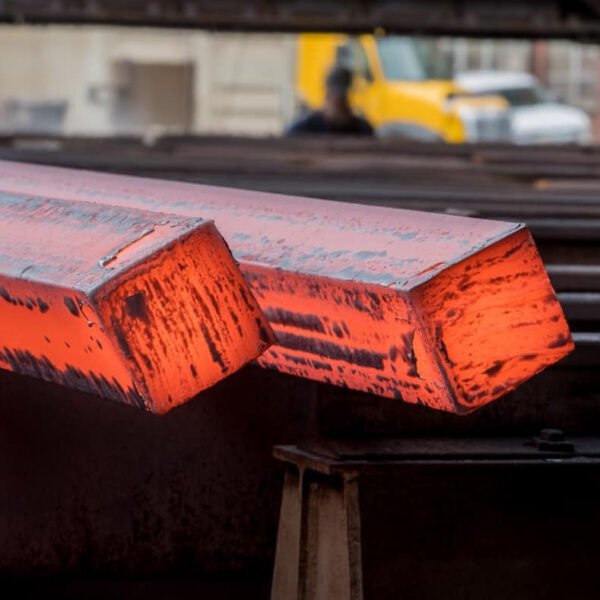
Steel Billet
-
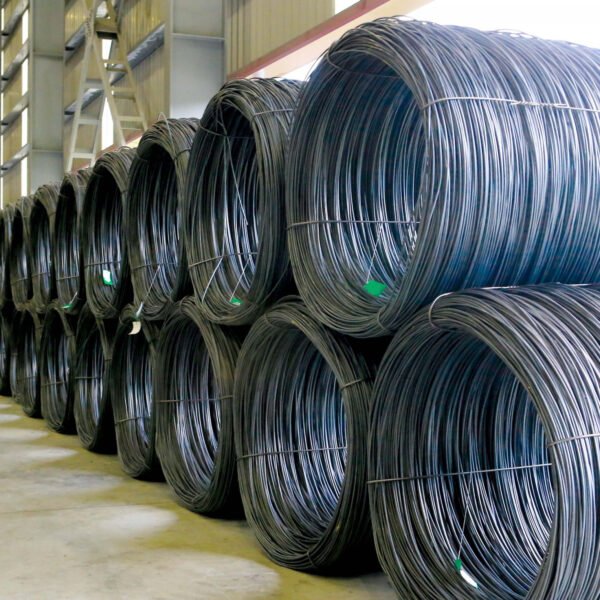
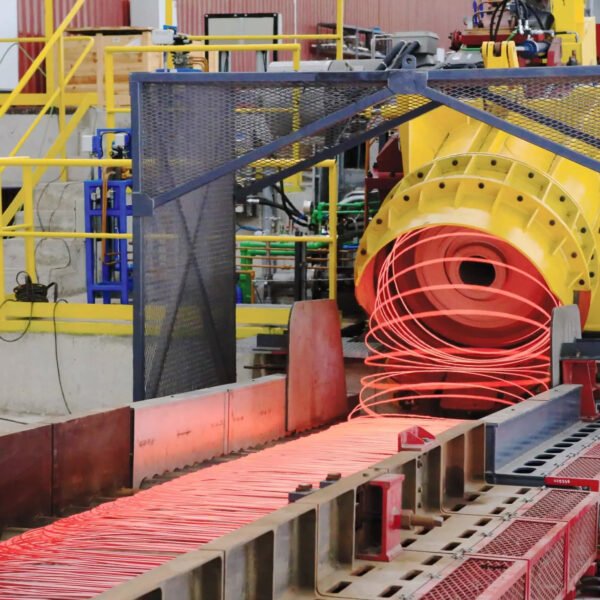
Coiled Wire Rod
-
Steel Slab – High-Quality Raw Materials for Industrial Applications
-

Plain Rebar
-


Beam Rolling
-
Steel Bloom