
 En
En
Iron ore pellets serve as a vital raw material in the steelmaking industry, crafted from fine iron ore blended with additives like bentonite. These hardened, porous spheres are specifically designed for use in blast furnaces and direct reduction units. The pelletizing process enhances the quality and performance of iron ore, ensuring greater efficiency during melting and reduction. Pellets offer advantages over raw iron ore by providing a consistent chemical composition and improved transportability, making them highly valuable to steel manufacturers. Using raw iron ore or concentrate directly in the steel production process can result in challenges such as reduced efficiency, higher energy demands, and increased environmental impact. Pelletizing addresses these issues by optimizing the utilization of fine iron ore, thus boosting the overall productivity of steel manufacturing. Additionally, pellets exhibit high mechanical durability, which minimizes dust generation during transit and furnace loading. The production of pellets involves multiple stages: preparation of raw materials, formation of green pellets, induration, and cooling. Initially, iron ore concentrate is combined with bentonite and occasionally other additives to ensure proper adhesion for shaping raw pellets. These are molded using rotary disks or drums before being subjected to high temperatures—between 1200 and 1300°C—in specialized furnaces. This process enhances their structural integrity and chemical resilience. In summary, iron ore pellets are indispensable for enhancing the performance of blast furnaces and direct reduction processes due to their uniform sizing, superior strength, and minimal impurities. As a primary raw material in the global steel industry, pellets enable steelmakers to operate more efficiently while reducing costs and environmental concerns.
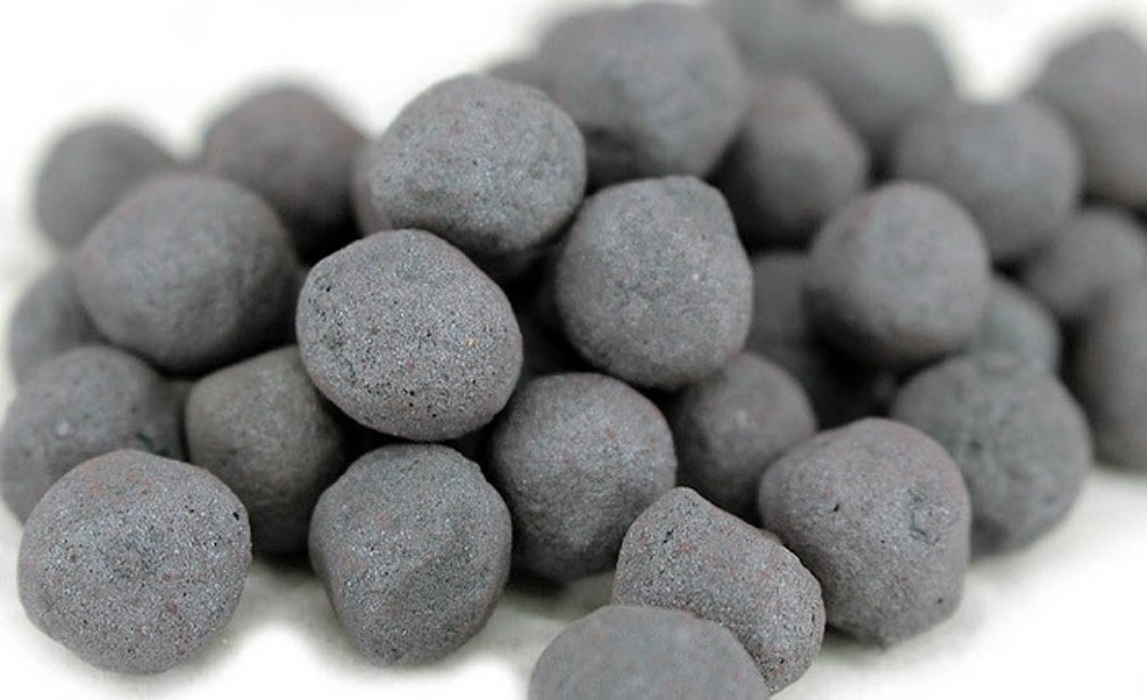
In the initial stage of production, the raw materials, primarily iron ore concentrate, are combined with additives such as bentonite, water, and occasionally limestone or dolomite. This step is crucial for enhancing the mixture’s adhesiveness and formability, which are essential for shaping raw pellets. The components are thoroughly blended using specialized mixers before advancing to the pelletizing stage. The green pellet formation process employs rotary disks or drums to mold the mixture into spherical pellets of consistent size, generally between 8 and 16 mm in diameter. At this stage, the pellets have limited mechanical strength and must be handled gently to avoid breakage prior to hardening. After forming, the raw pellets undergo a process known as induration in advanced furnaces, such as grate-kiln or straight-grate systems. During this stage, the pellets are heated to high temperatures ranging from 1200 to 1300°C. This heating reinforces their mechanical properties, enhances impact resistance, and boosts thermal stability. At these temperatures, chemical bonds among the iron ore particles strengthen, resulting in dense and robust pellets. Following this, the hardened pellets enter the cooling phase, where air-based systems reduce their temperature to safe levels for storage and transportation. Rapid cooling not only improves their final structural integrity but also minimizes risks of surface cracks or internal damage. Once cooled, the pellets are ready for use in blast furnaces or direct reduction processes and are packaged for delivery to steel manufacturers. Each step of the iron ore pellet production process is meticulously managed to ensure a high-quality final product, supporting more efficient steel manufacturing while lowering costs and minimizing environmental impact. View Iron Ore Pellets here.
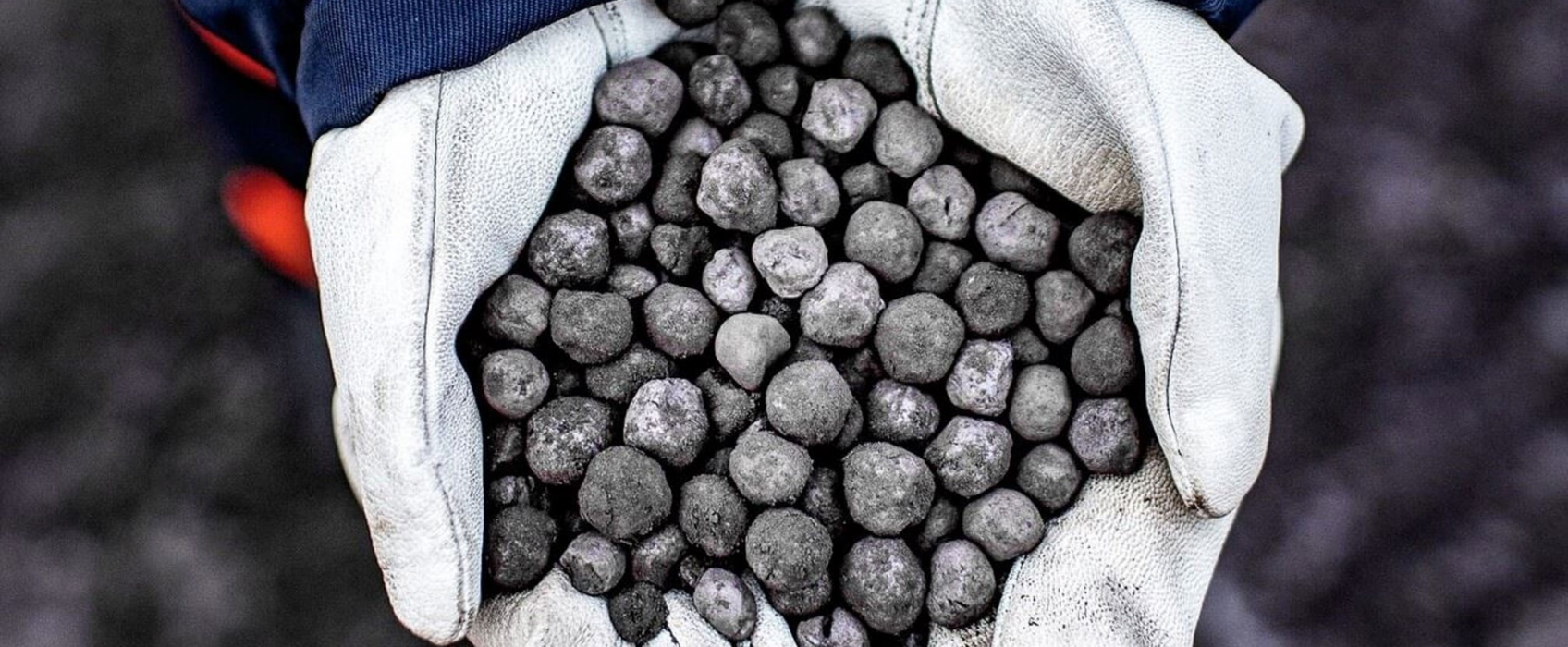
Iron ore pellets are a critical raw material in the steelmaking industry, valued for their distinctive properties. Produced from fine iron ore, they exhibit a consistent chemical composition and controlled impurity levels, which contribute to better furnace performance and lower energy consumption. Their higher iron content compared to lump ore enhances efficiency during the reduction process. A key advantage of pellets is their exceptional mechanical strength, which resists pressure, impact, and abrasion. This durability prevents breakage and dust formation during transportation, storage, and furnace charging, reducing material loss and improving overall efficiency in steel production. The spherical shape and uniform size of pellets facilitate optimal gas flow in blast furnaces and direct reduction reactors, enhancing reaction efficiency. This not only reduces fuel consumption but also accelerates the reduction process, leading to decreased production costs. Additionally, pellets boast superior stability during transport and storage compared to lump ore and concentrate, which helps lower logistics expenses and simplifies supply chain operations. An environmentally beneficial feature of pellets is their reduced generation of dust and gas emissions compared to other raw materials. This minimizes material waste while also lessening the environmental footprint of steel production. Lower energy consumption during processing adds another layer of advantage. With these combined benefits, iron ore pellets play a pivotal role in making steel production more efficient, cost-effective, and sustainable.
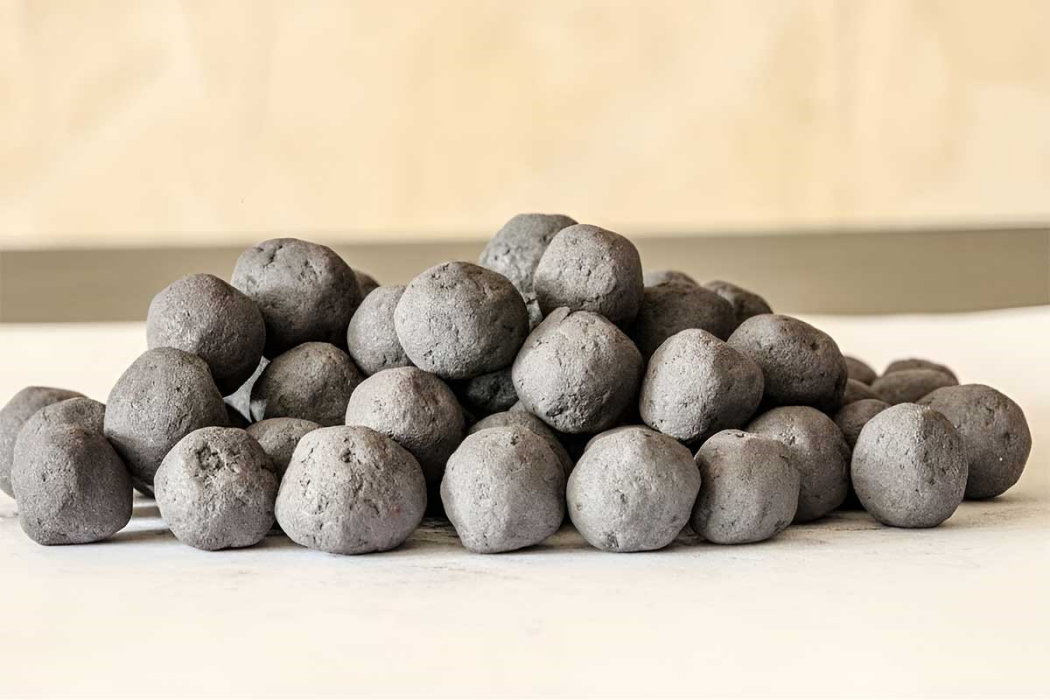
applications of iron ore pellets
Iron ore pellets are a vital raw material in the steel industry, extensively used across various steel production methods. Thanks to their favorable physical and chemical properties, they serve as an effective alternative to lump ore and concentrate. The primary applications of iron ore pellets in steelmaking lie in blast furnace operations and direct reduction processes, each offering distinct benefits and features. In blast furnace operations, pellets are charged along with coke and limestone, undergoing high-temperature reduction. Their use enhances process efficiency and lowers energy consumption due to their optimal porosity and consistent chemical composition, which streamline the reduction process. Moreover, the high mechanical strength of pellets minimizes breakage during operation, thereby boosting the overall performance of the furnace. In direct reduction processes, designed for producing sponge iron, pellets are subjected to reducing gases like hydrogen and carbon monoxide. Unlike blast furnaces, this method operates at lower temperatures and does not fully melt the iron. For this process to be effective, pellets must exhibit high strength and adequate porosity to allow reducing gases to penetrate smoothly, accelerating the reduction reaction. From an environmental perspective, pellets present key advantages. When compared to lump ore, they generate less dust and fewer pollutants, contributing to improved air quality around steel mills. Their uniform size and robust structure also simplify storage and transportation, leading to reduced logistics costs. In summary, iron ore pellets significantly enhance production efficiency, cut energy consumption, and reduce environmental impact in steelmaking operations. Consequently, they have become an integral component for many steel mills worldwide, solidifying their role in modern steel production processes. View Cold Briquettes here.
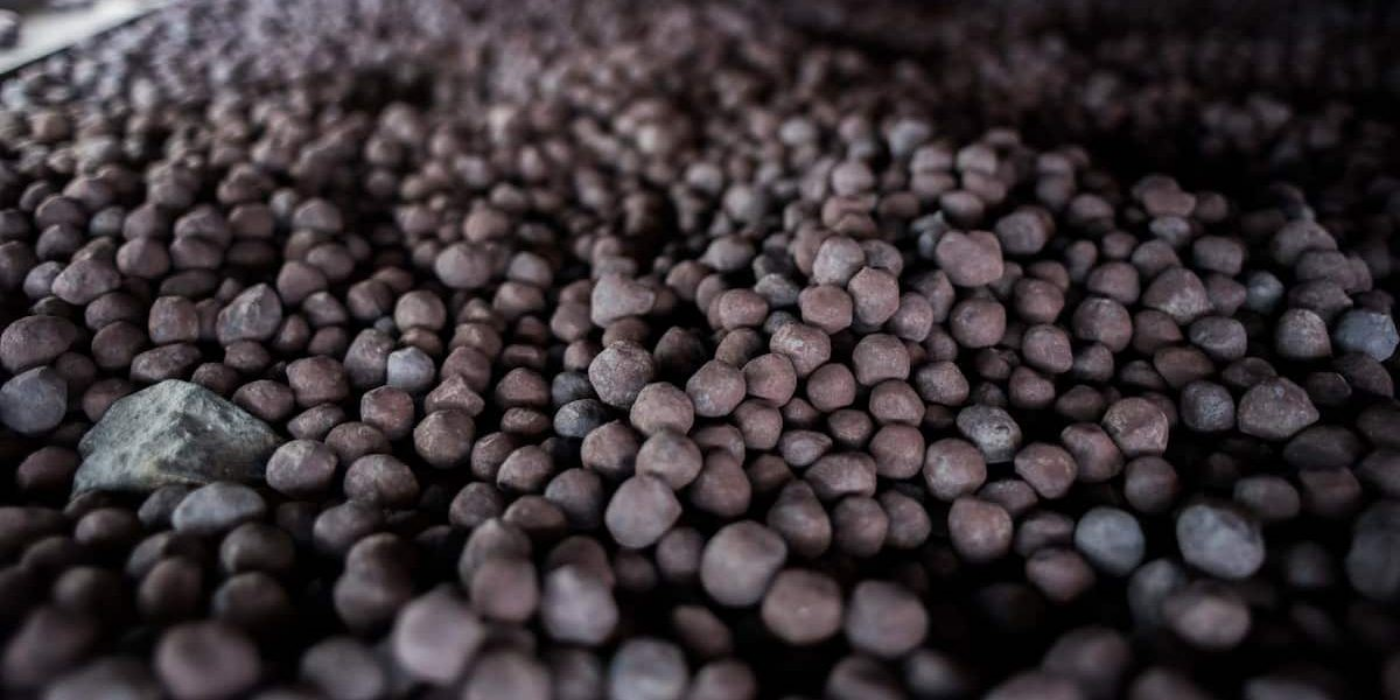
The global iron ore pellet market has undergone notable shifts and challenges in recent years. In 2024, global steel production started with a modest growth of 0.4%, with the Asia-Pacific region playing a central role. This region, a dominant force in steel manufacturing, recorded a production volume of 110.3 million tons, marking a 0.9% increase. Meanwhile, Europe showed stronger growth with an output of 11.2 million tons, reflecting a 5.7% rise, whereas North America saw a decline of 3.6%, producing 8.8 million tons compared to the previous year. Global trade in iron ore pellets has also experienced a downturn. Between 2013 and 2022, average annual pellet trade exceeded 175 million tons. However, this figure shrank from more than 186 million tons in 2013 to approximately 152 million tons by 2022, representing a significant 15% decline over nearly a decade. One key challenge facing the market is an ongoing shortage of pellets, an essential raw material for steel production. For instance, demand for sponge iron pellets in 2018 reached about 40.8 million tons, reflecting an increase compared to prior levels. This persistent shortfall has raised concerns about its potential negative impacts on both steel production and pricing dynamics. In addition, iron ore pellet prices have been highly volatile in global markets. While the prices of other related materials such as iron ore, scrap metal, and rebar declined by over 10%, pellet prices defied this trend, showing a sharp upward trajectory—outperforming even gold. This price surge could create lucrative investment opportunities but simultaneously introduces significant challenges for steel manufacturers. Overall, with varying steel production trends across regions and escalating pellet prices, the global iron ore pellet market is navigating through a complex landscape. Addressing these issues will require strategic planning and careful decision-making from both producers and investors.
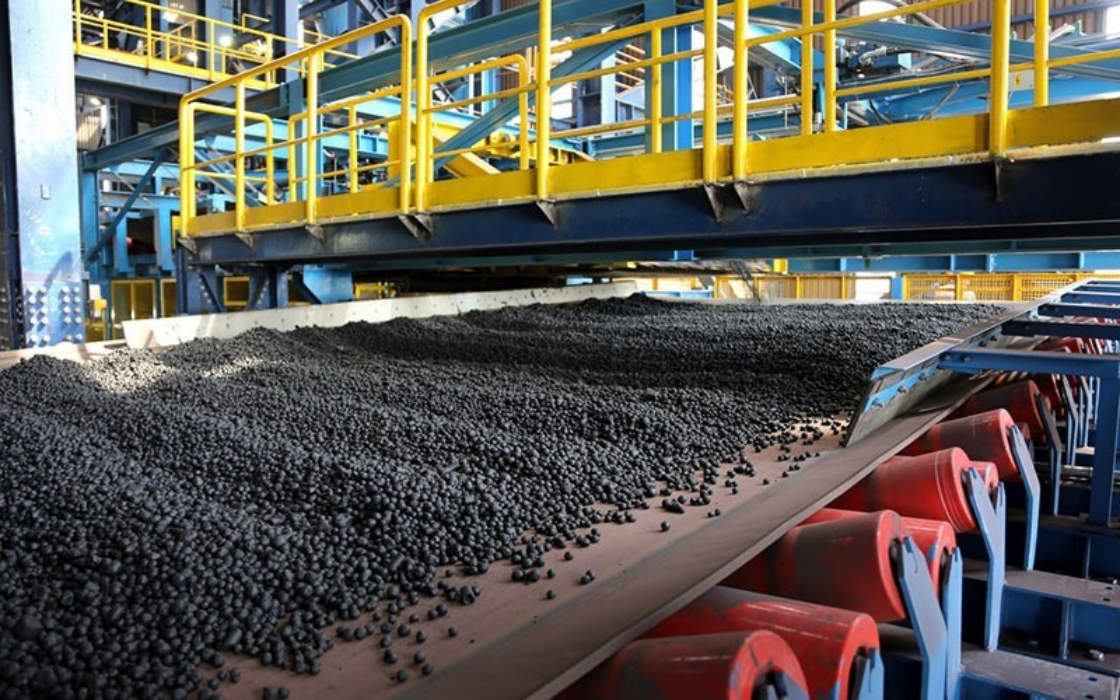
The quality and efficiency of iron ore pellets in steelmaking processes are heavily reliant on adhering to established standards. These standards encompass the physical, chemical, mechanical, and environmental properties of the pellets, all of which are influenced by the production methods and their application within the steel industry. To this end, various organizations and institutions have developed specific benchmarks for iron ore pellets, which are detailed below. A critical aspect of these guidelines is the chemical standard, which emphasizes the iron content and impurity levels in the pellets. To be suitable for reduction processes, pellets typically require an iron content exceeding 60%. Additionally, impurities such as silica, alumina, and phosphorus must be controlled within specified limits to avoid adverse effects on the final steel product. Such chemical standards are governed by prominent national and international bodies like ASTM and ISO. Equally significant are the physical property standards for iron ore pellets, as these directly influence functionality and performance. This includes maintaining consistent pellet size and shape within the commonly accepted range of 8 to 16 millimeters. Uniform sizing ensures optimal performance in blast furnaces and direct reduction systems. Moreover, sufficient mechanical strength is imperative to prevent pellet degradation during handling, transportation, or furnace charging. Environmental considerations also form a fundamental component of pellet production standards. These include controlling dust levels and pollutant emissions, which must adhere to permissible thresholds to mitigate environmental impacts. Additionally, production processes should be optimized for energy efficiency and resource conservation to align with sustainable practices. Logistics-related standards are another key area of emphasis. Proper packaging methods are essential to preserve pellet integrity during storage and transportation. Moreover, transportation processes must be managed to minimize material loss and reduce overall logistical expenses. By adhering to these multifaceted standards, the production and application of iron ore pellets can meet both industry demands and environmental expectations, ensuring their pivotal role in efficient steelmaking continues seamlessly. View Cold Briquettes here.



No comment