
 En
En
Alloy rebar is a specialized type of steel reinforcement bar designed to deliver enhanced mechanical and physical properties through the inclusion of alloying elements such as chromium, nickel, molybdenum, vanadium, and manganese. Unlike standard carbon steel rebar, which mainly comprises iron and carbon, alloy rebar is crafted to provide superior strength, increased durability, better wear and corrosion resistance, and exceptional performance under challenging conditions. These qualities make it an excellent choice for applications requiring heightened load-bearing capacity, resilience to fatigue, and environmental toughness. The addition of alloying elements significantly transforms the properties of the rebar. For instance, chromium and nickel boost corrosion resistance, making it suitable for usage in marine environments, chemical facilities, and humid regions. Molybdenum enhances heat resistance, making the rebar well-suited for high-temperature applications in power plants and industrial furnaces. Meanwhile, vanadium and manganese contribute to greater tensile strength and impact resistance, allowing the rebar to endure heavy loads and dynamic stresses without failure. Producing alloy rebar involves sophisticated metallurgical techniques such as precision alloying, controlled rolling, and heat treatments like quenching and tempering. These processes refine the steel’s microstructure, optimizing its grain formation and eliminating internal weaknesses. The outcome is a high-performance product that meets stringent engineering standards while offering long-term reliability and efficiency. Alloy rebar finds extensive application across industries such as construction, automotive manufacturing, oil and gas pipelines, petrochemical plants, aerospace structures, heavy machinery, and bridge reinforcement. Its high strength and resistance to demanding environmental factors make it a preferred material for critical infrastructure where reliability is paramount. For example, in high-rise buildings, offshore structures, and earthquake-resistant systems, alloy rebar plays a pivotal role in ensuring structural stability and extended lifespan. Despite its many advantages, alloy rebar typically comes at a higher cost than standard carbon steel rebar due to the price of alloying materials and the complexity of production. However, its superior performance characteristics, extended durability, and reduced need for maintenance often justify the investment in projects where safety and longevity are essential. Careful evaluation of environmental conditions, load requirements, and project specifications is crucial to selecting the appropriate type of alloy rebar to maximize performance and cost-efficiency. View Alloy Rebar here.
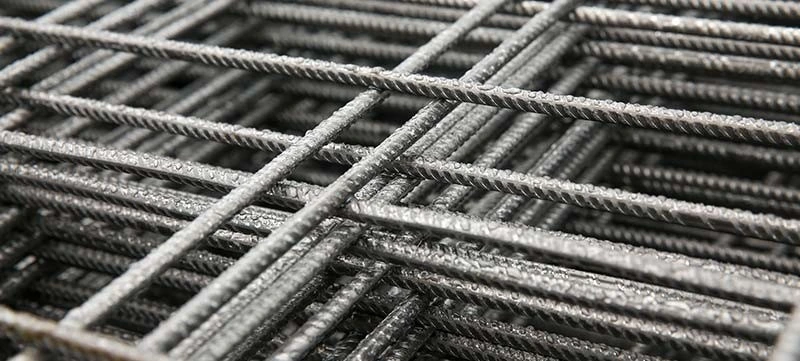
The chemical composition and inclusion of alloying elements in alloy rebar are pivotal in defining its mechanical properties and overall performance across various conditions. Unlike conventional carbon steel rebar, primarily made of iron and carbon, alloy rebar incorporates specific elements to enhance attributes such as strength, durability, and resistance to wear, corrosion, and elevated temperatures. Carbon serves as the backbone of steel, increasing strength and hardness, though excessive amounts can reduce ductility. Chromium boosts corrosion resistance, making it indispensable for rebars used in marine environments, chemical facilities, and humid climates. Additionally, when combined with other elements, chromium further improves hardness and strength. Nickel enhances toughness and impact resistance, minimizing risks of cracking and brittle failure under stress. As a result, nickel-based rebars are often selected for cold regions and high-stress applications. Molybdenum improves performance at high temperatures and offers excellent corrosion resistance, making it ideal for use in power plants, industrial furnaces, and offshore installations. It also contributes to increased hardness and wear resistance. Vanadium supports grain refinement, which bolsters strength, fatigue resistance, and toughness—particularly important in infrastructures exposed to heavy loads, such as bridges, tunnels, and skyscrapers. Manganese enhances hardenability, toughness, and wear resistance while reducing brittleness and improving weldability. Silicon is often added to improve strength and reduce oxidation during steel production. It also enhances ductility and resilience under heavy loads. Copper provides additional corrosion resistance, particularly valuable for rebars utilized in outdoor or marine environments with high exposure to moisture and chemicals. The specific chemical composition of alloy rebar is tailored according to its intended application to achieve desired mechanical properties. Through precise adjustments of these elements, manufacturers create rebars that exhibit superior strength, impact resistance, corrosion protection, and long-term durability. To maintain quality control and ensure reliable performance in construction and industrial applications, standards such as ASTM A706, DIN 488, JIS G3112, and BS 4449 outline acceptable chemical compositions and mechanical properties for alloy rebars. These regulations provide consistency across the steel industry globally.
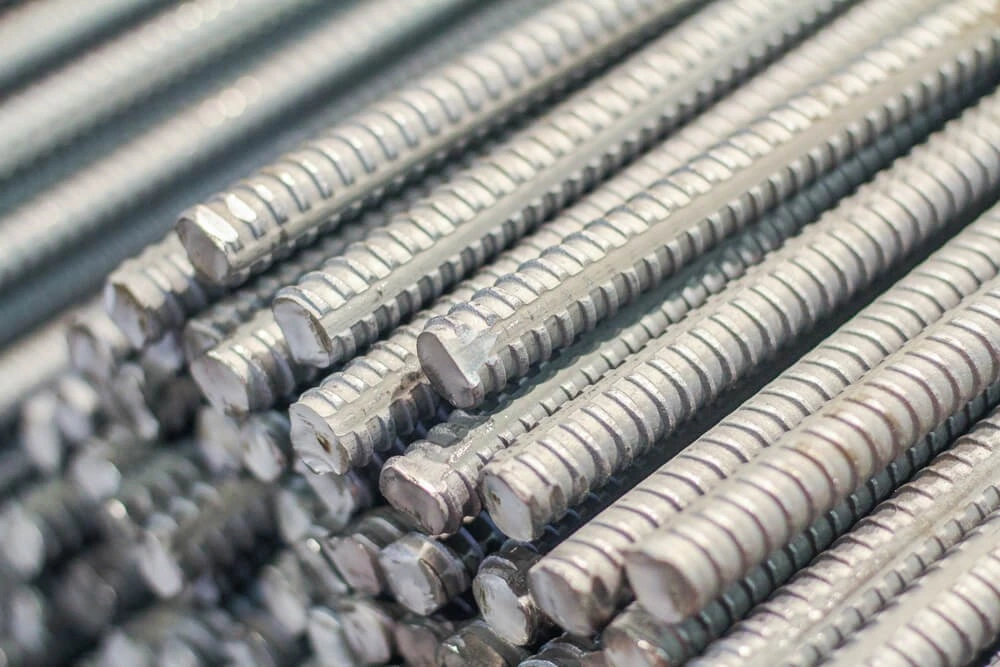
Mechanical properties and characteristics
The mechanical properties and performance characteristics of alloy rebar are heavily influenced by both its chemical composition and the manufacturing process involved. These attributes play a crucial role in determining the rebar’s efficacy in various structural and industrial applications, ensuring it can endure diverse stresses and environmental challenges. Compared to traditional carbon steel rebar, alloy rebar offers superior strength, durability, and resistance. Tensile strength is one of the most critical mechanical properties of alloy rebar. It measures the material’s ability to resist breaking under pulling forces. Alloying elements such as chromium, nickel, and molybdenum significantly enhance this property, making alloy rebar ideal for high-stress applications like bridges, high-rise buildings, and large-scale infrastructures. Yield strength, another key property, indicates the stress level at which the material undergoes permanent deformation. The inclusion of strengthening elements like vanadium and manganese contributes to a higher yield strength, further enhancing its suitability for demanding environments. Ductility, or the ability of rebar to deform without fracturing, is another essential characteristic. Alloy rebars are engineered to strike an optimal balance between strength and ductility, enabling them to endure seismic activity and dynamic loading conditions without catastrophic failure. Enhanced hardness and wear resistance, achieved through elements like silicon and molybdenum, also enable these rebars to excel in abrasive environments. Corrosion resistance is a particularly vital property for structures exposed to moisture, chemicals, or marine environments. Alloy rebars infused with elements such as chromium, copper, and nickel provide superior protection against rust and oxidation, significantly improving the lifespan of reinforced structures. Additionally, these materials display improved thermal resistance, making them well-suited for applications requiring high-temperature stability, such as power plants or industrial furnaces. Heat treatment processes like quenching and tempering further elevate the mechanical properties of alloy rebar by refining its microstructure for optimal performance. Rigorous testing methods, including tensile, impact, and hardness tests, ensure compliance with industry standards such as ASTM A706, DIN 488, and BS 4449. These enhanced qualities make alloy rebar a reliable and durable option for construction projects that demand high performance and extended longevity. View Coiled Rebar here.
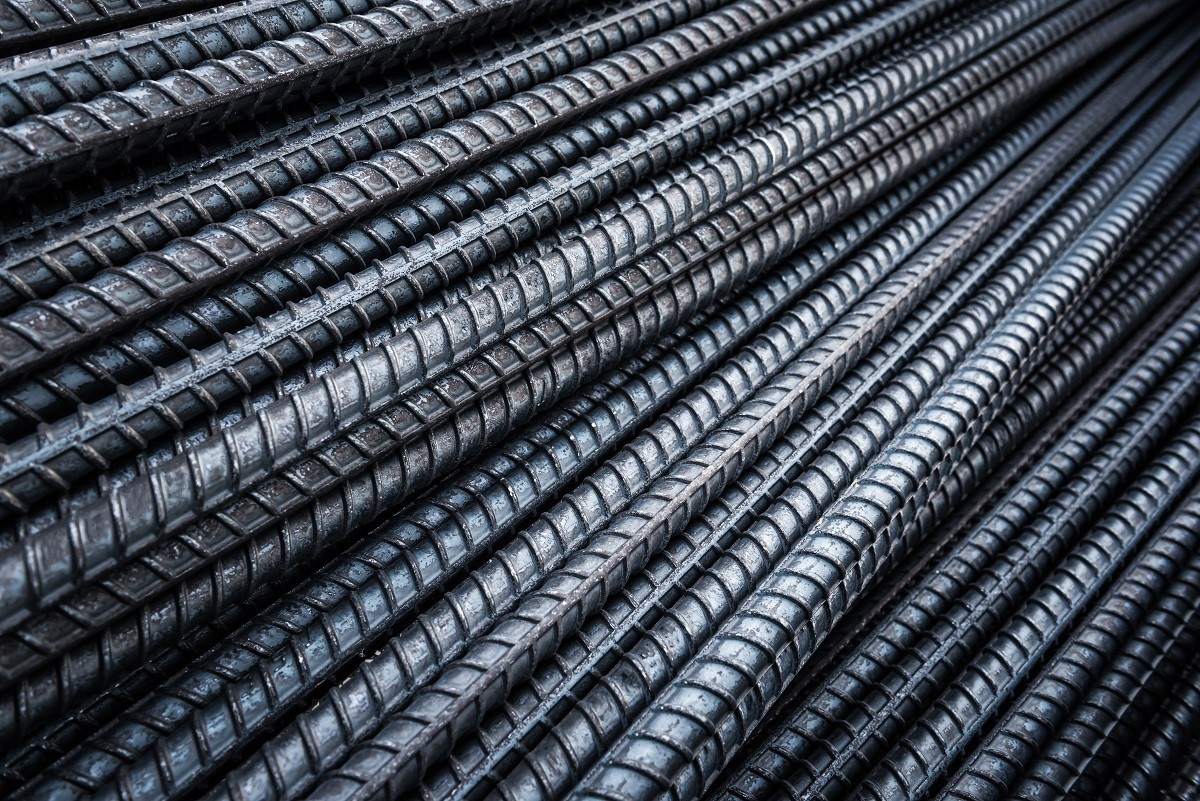
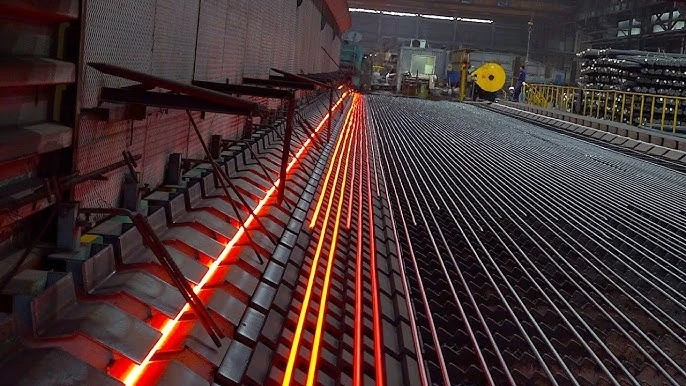
The production of alloy rebar involves a series of meticulously designed stages aimed at optimizing its mechanical performance, durability, and suitability for challenging environments. Unlike standard carbon steel rebar, alloy rebar undergoes additional refinement steps that integrate elements like chromium, nickel, molybdenum, and vanadium. These alloying components significantly enhance its strength, corrosion resistance, and wear resistance, making it ideal for demanding applications. The process starts with the selection and melting of raw materials, either iron ore or scrap steel, using an electric arc furnace (EAF) or a basic oxygen furnace (BOF). During this phase, alloying elements are carefully introduced to achieve the desired chemical composition of the steel. To ensure superior quality and homogeneity, the molten steel is subjected to secondary refining techniques such as ladle metallurgy and vacuum degassing. These procedures remove impurities like sulfur and phosphorus, enhancing the overall material consistency. Following refinement, the molten steel is cast into billets through continuous casting. These billets form the base material for the subsequent rolling stage. They are reheated in specialized furnaces to attain the required temperature before being processed through a series of rolling mills. The hot rolling operation reduces billet thickness and shapes the material into rebar while simultaneously refining its microstructure and improving its mechanical properties. Heat treatment processes like quenching and tempering are applied to further enhance the strength and resilience of the alloy rebar. Quenching involves cooling the rebar rapidly in oil or water to increase its hardness and toughness, while tempering reheats the material at controlled temperatures. This relieves internal stresses and improves flexibility without compromising strength, resulting in rebar highly resistant to fatigue and deformation. Finally, surface treatment and rigorous quality control ensure the product meets international standards such as ASTM A706, DIN 488, JIS G3112, and BS 4449. Tests evaluating tensile strength, yield strength, elongation, and hardness verify compliance. For added protection, some rebars are coated with anti-corrosion layers like epoxy or galvanization. Once inspected and approved, the rebars are cut to specified lengths, bundled, and prepared for transport to construction sites and industrial facilities worldwide.
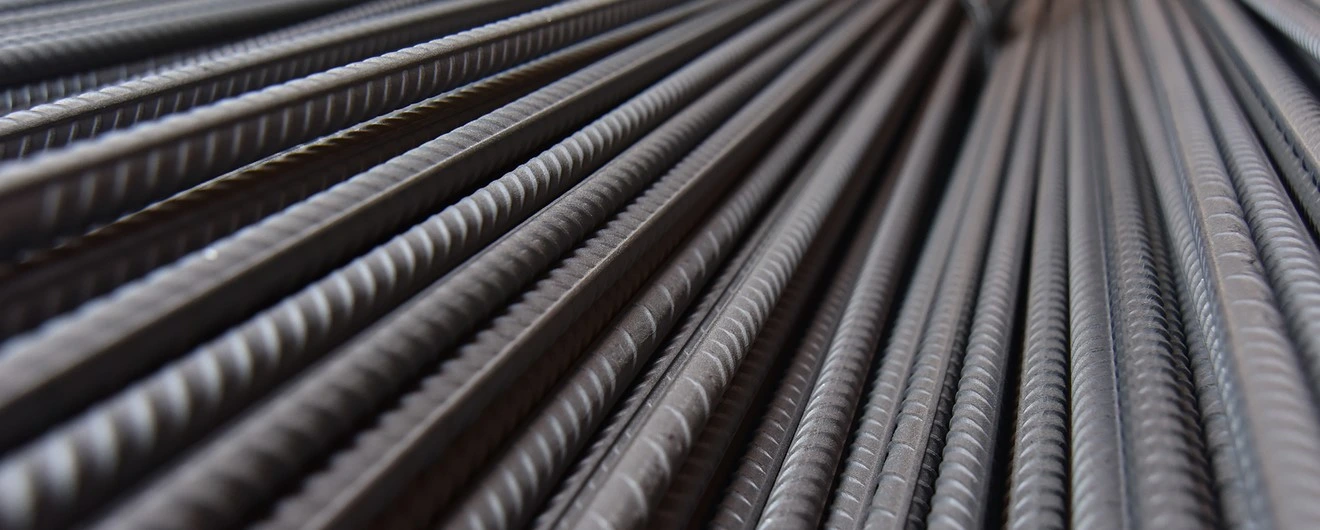
Alloy rebar is produced in line with international standards and grades to ensure optimal performance, durability, and adaptability to construction and industrial uses. These standards regulate factors such as chemical composition, mechanical properties, and testing protocols, guaranteeing uniformity and dependability across various environments. Grading systems classify alloy rebar based on attributes like strength, ductility, and alloying elements, enabling engineers and builders to select the most appropriate type for their specific needs. One of the most prominent standards is ASTM A706, which specifies low-alloy steel rebar with a controlled chemical composition to improve weldability and ductility. This grade is especially favored in seismic-resistant constructions and projects demanding high toughness. In Europe, the DIN 488 standard classifies rebar by yield strength and mechanical properties, with grades like B500B and B500C offering high strength and superior bonding with concrete. Japan’s JIS G3112 outlines standards for alloy rebar production with grades such as SD390 and SD490, known for their enhanced strength and durability. The British Standard BS 4449 identifies rebar classes like Grade 460 and Grade 500, designed to meet modern construction requirements. Globally recognized guidelines include ISO 6935, which addresses ribbed and plain steel bars for reinforced concrete, and GOST 5781, which sets specifications for alloy rebar in Russia and neighboring countries. Grading of alloy rebar mainly hinges on yield strength, typically expressed in MPa (megapascals) or ksi (kilopounds per square inch). For example, ASTM standards frequently use Grade 60 (420 MPa) and Grade 75 (520 MPa), while European markets often opt for grades like B500C (500 MPa). Additionally, some alloy rebars are tailor-made for specific applications based on properties like corrosion resistance, heat resistance, or impact resistance, making them well-suited for marine construction, high-temperature settings, or earthquake-prone regions. To meet these stringent standards, alloy rebar undergoes comprehensive testing, including tensile tests, bending evaluations, chemical analyses, and impact resistance assessments. Manufacturers must adhere to these protocols to certify their products’ quality and performance before bringing them to market. The choice of the appropriate standard and grade is determined by structural requirements, environmental conditions, and project-specific needs, ensuring that the rebar delivers maximum durability and safety. View Deformed Rebar here. View Coiled Rebar here.
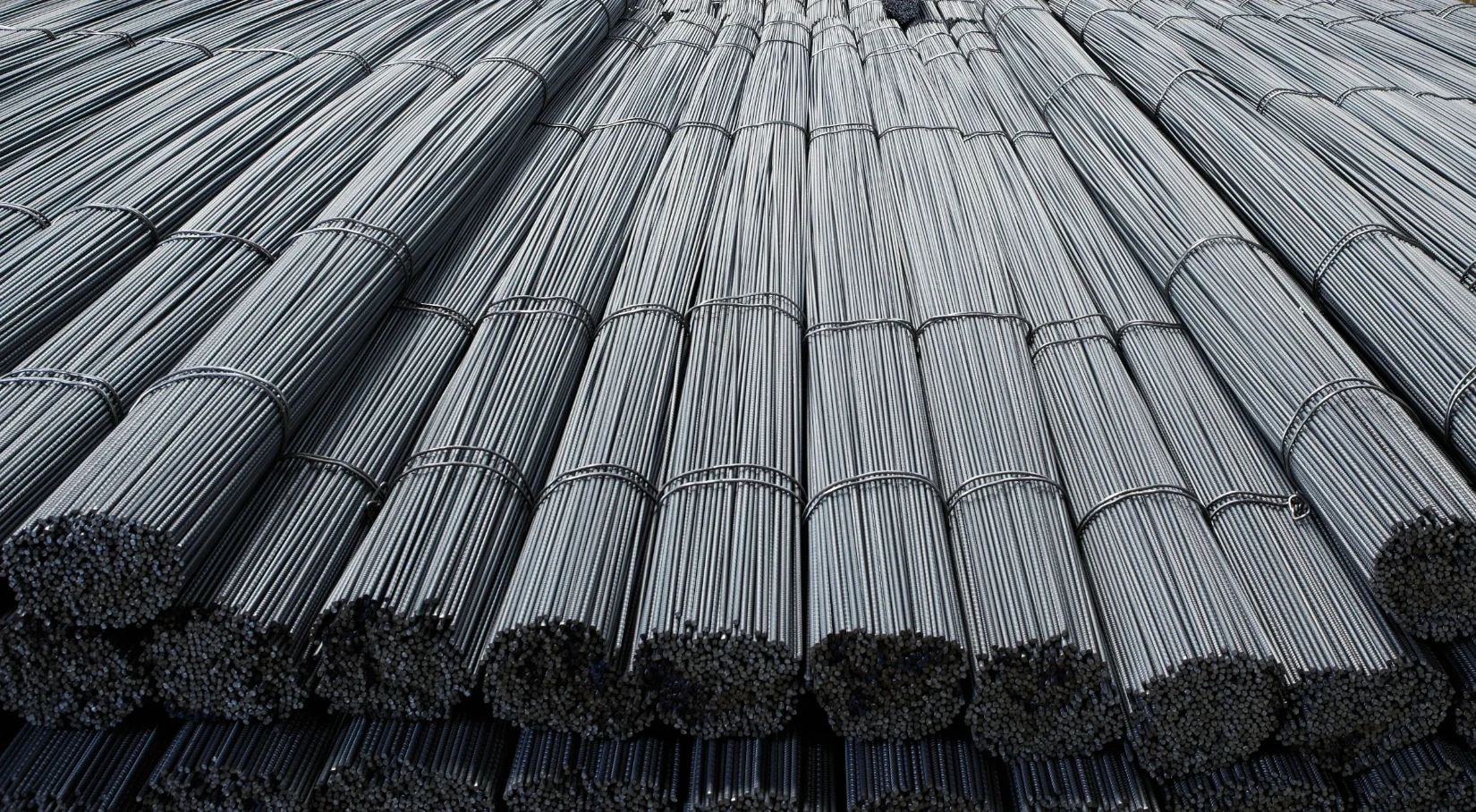
Applications of Alloy Rebar
Alloy rebar finds diverse applications in the construction and industrial sectors due to its exceptional mechanical properties, including high strength, corrosion resistance, and durability. The inclusion of alloying elements enhances its performance, making it highly suitable for specialized environments and demanding structural requirements. A key area where alloy rebar excels is in seismic-resistant structures. In earthquake-prone regions, the ability of rebar to endure significant stress and deformation without fracturing is vital. Alloy rebar provides the required ductility and toughness to absorb energy and prevent structural failures during seismic events. This makes it indispensable in infrastructure like bridges, highways, and high-rise buildings that must withstand dynamic loads and seismic forces effectively. Beyond seismic applications, alloy rebar is extensively utilized in marine environments, including ports, piers, and offshore constructions. In such settings, corrosion resistance against saltwater is crucial. Alloying elements like chromium and copper significantly boost this resistance, thereby increasing the longevity of structures exposed to harsh marine conditions. Similarly, chemical plants and petrochemical facilities rely on alloy rebar for reinforced concrete exposed to aggressive substances like acids and chemicals. Environments with elevated temperatures also benefit from the use of alloy rebar. Power plants, industrial furnaces, and steel mills require rebar capable of resisting thermal stresses while maintaining its mechanical integrity. Elements such as molybdenum and vanadium enhance the heat resistance of alloy rebar, making it ideal for these high-temperature applications. Another significant usage of alloy rebar is in heavy-load-bearing structures, including tunnels, dams, and mining operations. These environments impose extreme pressure and mechanical stress on materials. The high tensile strength and fatigue resistance of alloy rebar ensure reliable performance under such demanding conditions. Additionally, it is used in reinforced concrete pipes and foundations requiring maximum load-bearing capability. Lastly, alloy rebar is a staple in precast concrete products where properties like weldability and formability are essential. The alloying components allow for efficient welding, simplifying the fabrication of structural elements such as concrete panels, beams, and columns. Its ability to maintain structural integrity across varied conditions ensures its continued preference for high-performance concrete reinforcement solutions.
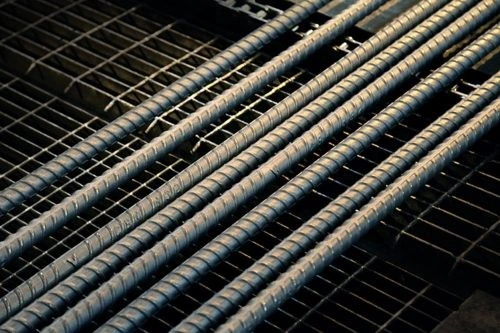
Alloy rebar brings numerous advantages, primarily its superior strength compared to standard carbon steel rebar. The incorporation of alloying elements like chromium, nickel, and vanadium significantly enhances tensile strength, making it well-suited for demanding applications such as bridges, high-rise buildings, and large-scale infrastructure projects. Its excellent corrosion resistance, attributable to elements like chromium and copper, makes it especially effective in harsh environments such as marine locations, chemical plants, and areas with high humidity. Moreover, alloy rebar is highly durable and long-lasting, minimizing the need for frequent maintenance or replacements. Its exceptional ductility and toughness make it an ideal choice for seismic-resistant structures, delivering improved performance during earthquakes. Additionally, its resistance to heat renders it suitable for use in power plants, industrial furnaces, and other high-temperature settings. Nonetheless, alloy rebar has its drawbacks. Chief among these is its higher cost, as the inclusion of alloying elements and more intricate manufacturing processes make it significantly more expensive than regular carbon steel rebar. Welding can also be challenging, with certain grades requiring specialized welding techniques. Availability may pose another issue in some regions where alloy rebar is less common, complicating sourcing efforts. The manufacturing process demands precise control over chemical composition, leading to increased time and energy costs during production. Furthermore, the high strength and durability of alloy rebar might not always be necessary for certain projects, potentially leading to over-specification and inflated costs where simpler materials would suffice.
The price of alloy rebar
Several factors affect the pricing of alloy rebar, making it important to evaluate multiple aspects before purchasing or planning a project budget. A key determinant is the cost of raw materials used in its production. Fluctuations in the prices of steel scrap, iron ore, and specific alloying elements such as chromium, nickel, molybdenum, and vanadium can significantly impact the final product’s price, as any increase in raw material costs translates directly into higher production expenses. The production process is another critical factor. Manufacturing alloy rebar involves more complex and energy-intensive steps compared to standard rebar, including melting, alloying, rolling, and heat treatment. These additional stages and their associated energy requirements drive manufacturing costs higher. Moreover, extensive quality control and testing procedures to ensure compliance with industry standards like ASTM, DIN, or BS further contribute to the overall cost. Market supply and demand dynamics also play an essential role. Price increases often occur when demand surges due to infrastructure projects, construction booms, or industrial growth. Similarly, supply chain disruptions or shortages of raw materials can exacerbate price pressures. Transportation logistics are another influencing factor; long-distance shipping or importing alloy rebar adds to the overall expense. Geopolitical factors and trade policies also heavily impact prices. Countries reliant on imported raw materials or finished rebar may face cost hikes due to tariffs, unfavorable trade agreements, or currency fluctuations. Technological advancements in production methods or the emergence of alternative materials may also influence pricing by either reducing production costs or offering more affordable substitutes. Finally, the grade and specifications of alloy rebar itself affect its price. Specialized variants, such as high-strength or corrosion-resistant alloy rebars, are typically more expensive due to the additional alloying elements and processing steps necessary to meet stringent performance criteria. View Plain Rebar here.




No comment