
 En
En
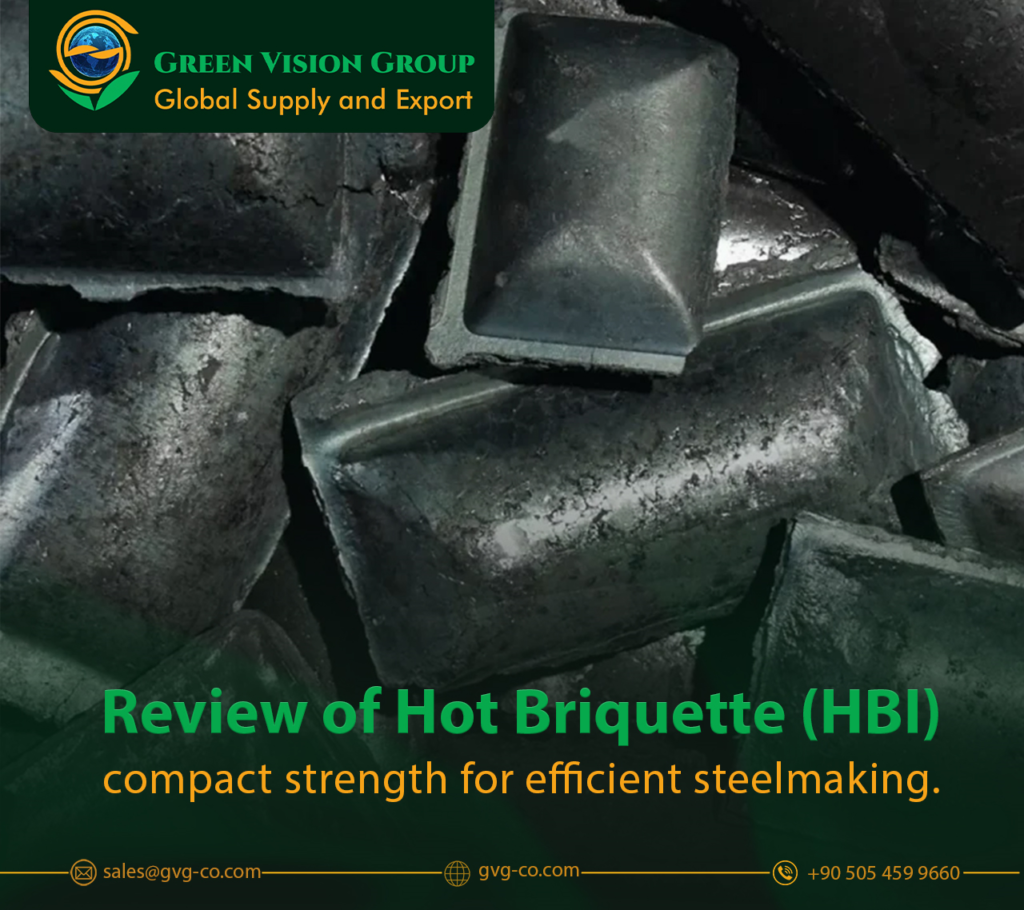
Hot Briquetted Iron (HBI) is a compressed version of Direct Reduced Iron (DRI), produced at elevated temperatures to enhance its safety, durability, and ease of transport and storage. While DRI is porous and highly reactive to moisture or oxygen, HBI undergoes a densification process that significantly boosts its stability, reducing the risks of oxidation and spontaneous combustion. As a result, HBI is a safer and more practical option for steelmaking industries worldwide. The production process for HBI begins with direct reduction, where iron ore is transformed into sponge iron through the use of reducing gases such as natural gas or hydrogen. This porous DRI is then subjected to high temperatures, typically exceeding 650°C, and compacted into dense briquettes. This step neutralizes the reactivity of the material, making HBI an excellent feedstock for electric arc furnaces (EAFs) and basic oxygen furnaces (BOFs). A major advantage of HBI lies in its enhanced density and mechanical strength, which minimize material losses during handling, storage, and transportation. While traditional DRI can degrade into dust and lose its integrity, HBI remains intact even over long distances. Moreover, its low level of impurities ensures a high-quality iron source for steelmaking, leading to greater efficiency and fewer contaminants in the final steel product. HBI is particularly valuable in modern steel production, especially in areas where scrap metal is scarce or costly. It acts as a reliable alternative to scrap steel, offering a clean and consistent raw material with predictable chemical properties. As the push toward environmentally friendly and low-carbon steelmaking intensifies, HBI is gaining prominence because it supports reduced carbon emissions during production. With the growing momentum behind green steel initiatives, the role of HBI is set to expand further. Its compatibility with hydrogen-based reduction methods positions it as a cornerstone in the transition to sustainable iron and steel production. As industries prioritize lowering their carbon footprints and optimizing production efficiency, HBI is expected to remain a critical element within the global steel supply chain.
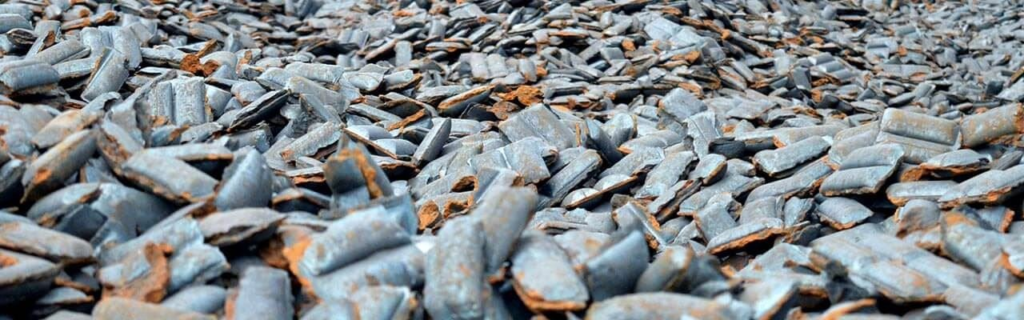
Hot Briquetted Iron (HBI) possesses a distinctive chemical composition and physical characteristics that make it an excellent feedstock for steel production. Its high iron content, typically between 90–94%, ensures its suitability for the process, with metallic iron (Fe⁰) comprising 80–88% of the total composition to guarantee efficient steelmaking. Small amounts of carbon, ranging from 0.5–1.5%, contribute to the reduction process. Impurities like sulfur and phosphorus are maintained at very low levels, generally below 0.01% and 0.03%, respectively, to preserve the steel’s purity. In addition, minimal amounts of silica (SiO₂) and alumina (Al₂O₃) prevent excessive slag formation. A key advantage of HBI is its extremely low moisture content, typically less than 0.5%, which minimizes the risks of oxidation and self-heating. Physically, HBI is manufactured in a dense, compact form that greatly facilitates handling, storage, and transportation compared to Direct Reduced Iron (DRI). The briquettes are typically pillow-shaped, measuring 100–150 mm in length, 50–100 mm in width, and 20–50 mm in thickness. With a density of 5.0–5.3 g/cm³, HBI demonstrates significantly greater mechanical strength than DRI, which reduces breakage and minimizes fines generation during handling. Its low porosity further prevents moisture absorption, enhancing both stability and safety during extended transport. HBI’s density and structural integrity eliminate the risks of spontaneous combustion commonly associated with DRI, making it a safer choice for international shipping and long-term storage without requiring special precautions. Its durability also translates to lower material losses, providing an economically favorable and high-quality option for steel producers. The superior chemical properties and physical robustness of HBI position it as the material of choice for steel manufacturers, particularly in electric arc furnace (EAF) and basic oxygen furnace (BOF) operations. Its high iron content, low level of impurities, and enhanced stability ensure consistent performance, reinforcing its critical role in modern steelmaking processes. Click here to view Hot Briquette
Applications of Hot Briquetted Iron (HBI)
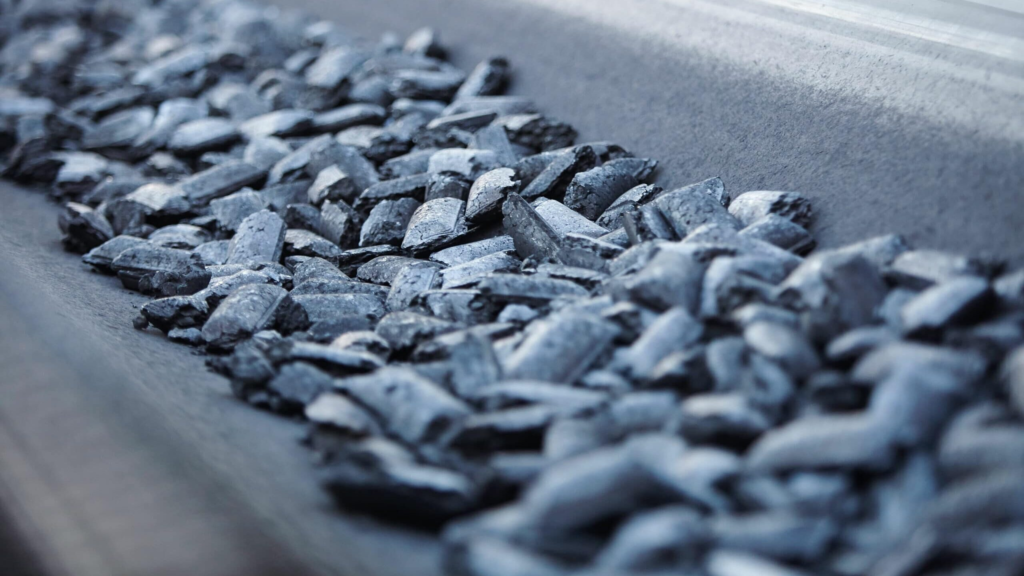
Hot Briquetted Iron (HBI) holds a prominent position in the steel industry thanks to its high iron content, low impurity levels, and exceptional stability. One of its key uses is as a raw material for steelmaking in electric arc furnaces (EAF) and basic oxygen furnaces (BOF). In EAF operations, HBI acts as a premium iron input, reducing reliance on scrap steel while enhancing the chemical composition of the final product. Its low phosphorus and sulfur levels make it an ideal choice for producing high-grade steel with superior mechanical properties. HBI also plays a vital role in blast furnace operations, where it serves as an alternative to iron ore or direct reduced iron (DRI). With its high density and low moisture content, HBI improves furnace efficiency by cutting down energy consumption and minimizing the risk of oxidation during storage and handling. Steel manufacturers often prefer HBI over conventional iron sources due to its lower material losses and more consistent performance during the melting process. In addition, HBI is widely utilized in foundries where high-purity iron is essential for casting applications. Its stable chemical composition ensures uniformity in cast iron products, making it a valuable feedstock for manufacturing items like engine blocks, pipes, and other precision-engineered components. The minimal slag generated by HBI further boosts productivity by reducing refinement time and improving metal yield. Beyond traditional steelmaking, HBI is also applicable in emerging alternative iron-making technologies that require a reliable and transportable iron resource. Compared to DRI, HBI’s non-reactive nature makes it particularly suitable for long-distance shipping, appealing to steel producers in areas with limited access to high-quality scrap or iron ore. As the global steel industry embraces more sustainable and efficient practices, the demand for HBI is expected to rise. Its ability to lower carbon emissions, enhance energy efficiency, and improve steel quality underscores its importance as a core material in modern metallurgical processes.
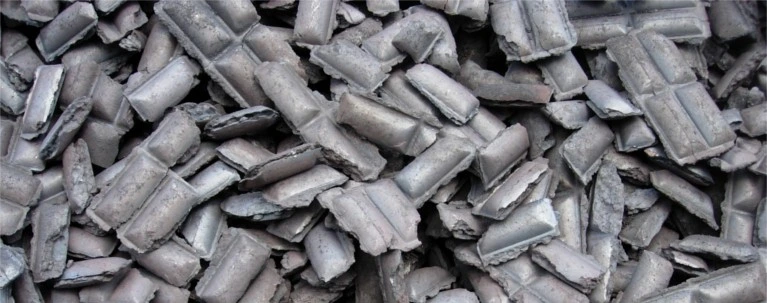
One key advantage of Hot Briquetted Iron (HBI) lies in its high iron purity, typically ranging from 90–94%, which makes it an excellent raw material for steelmaking. Its minimal impurity levels, such as reduced sulfur and phosphorus content, enable the production of high-quality steel with enhanced mechanical properties. Compared to Direct Reduced Iron (DRI), HBI’s compact structure offers greater stability, minimizing the risk of oxidation and spontaneous combustion. This stability enhances its safety and simplifies transportation and storage, even over extended distances. HBI also offers notable efficiency benefits in steelmaking processes. Its high bulk density and low porosity contribute to improved furnace productivity by facilitating efficient melting with minimal material loss. Furthermore, HBI’s consistent chemical composition reduces variability during production, allowing better control over the final steel quality. It also generates less slag compared to traditional iron sources, improving operational efficiency and lowering waste management costs. On the downside, HBI does come with certain limitations. A primary challenge is its high production cost compared to traditional materials like scrap steel or pig iron. The briquetting process demands additional energy and specialized equipment, which increases expenses. Moreover, infrastructure for HBI production and handling is less widespread than that for scrap metal or iron ore, making it less accessible in some regions. Another limitation is its restricted adaptability in certain steelmaking applications. While HBI is well-suited for use in electric arc furnaces (EAF) and blast furnaces, its compatibility with other processes may require equipment adjustments. Additionally, although HBI is more stable than DRI, improper storage or exposure to moisture can still lead to material degradation over time. Despite these challenges, HBI’s advantages—such as superior safety, efficiency, and environmental benefits—are driving its growing popularity among steel manufacturers worldwide. As technological advancements lower production costs and improve accessibility, the global demand for HBI is expected to continue rising within the steel industry. Click here to view Cold Briquette
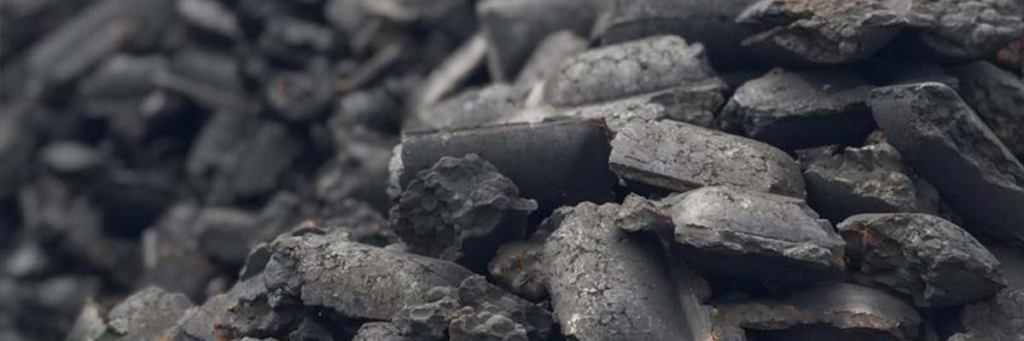
Hot Briquetted Iron (HBI) is manufactured in accordance with international standards to ensure its quality, chemical composition, and physical properties align with the demands of the steel industry. Guidelines established by organizations like the International Organization for Standardization (ISO) and the American Society for Testing and Materials (ASTM) regulate various parameters of HBI, including iron content, density, size, and levels of impurities. These standards play a key role in maintaining uniformity in production, making HBI suitable for diverse steelmaking applications. A primary indicator of HBI quality is its iron content, which typically ranges between 90% and 94%. Steel manufacturing favors high-purity HBI with minimal concentrations of impurities like sulfur, phosphorus, and alkalis, as these contaminants can adversely affect the end product. Additionally, maintaining low moisture content is essential to mitigate oxidation risks and preserve HBI’s stability during storage and transportation. Thanks to its high-density and compact structure, HBI is less reactive than direct reduced iron (DRI), significantly lowering the likelihood of spontaneous combustion. The physical attributes of HBI, such as briquette size and mechanical strength, also play a crucial role in determining its quality. Uniform-sized briquettes with high resistance to breakage facilitate efficient handling and furnace operations. High-density HBI with reduced porosity further enhances its performance during steel production by improving melting efficiency and minimizing slag generation. HBI production incorporates stringent quality control measures that include thorough testing of raw materials, meticulous management of the briquetting process, and continuous monitoring of chemical composition. Advanced techniques like spectroscopy and X-ray fluorescence (XRF) are frequently employed to analyze material properties and ensure compliance with industry benchmarks. Mechanical strength is tested through methods such as drop tests and abrasion resistance evaluations, ensuring that the briquettes remain intact during transport and handling. Producing high-quality HBI is essential for its safe and effective application in steelmaking. By adhering to globally recognized standards and implementing rigorous quality assurance practices, manufacturers can deliver a dependable and consistent product to steelmakers worldwide. This dedication to excellence not only reinforces HBI’s preferred status in modern steel production but also promotes operational efficiency, safety, and environmentally sustainable practices across the industry.
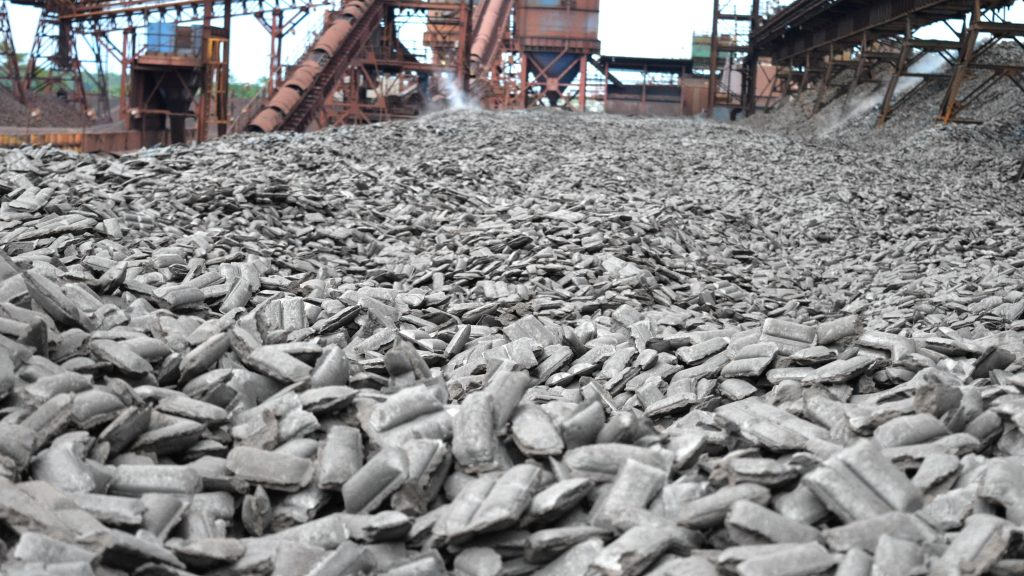
price of Hot Briquetted Iron (HBI)
Several factors significantly influence the price of Hot Briquetted Iron (HBI), making it a highly dynamic commodity in the global steel market. One of the foremost determinants is the price of iron ore. HBI is produced from direct reduced iron (DRI), which relies on high-quality iron ore. As a result, fluctuations in iron ore prices directly affect HBI production costs and contribute to price variations across markets. Additionally, the availability and cost of natural gas—a critical input in the direct reduction process—play a crucial role. Regions with ample, affordable natural gas typically enjoy lower production costs, enabling them to offer more competitively priced HBI on the global stage. Another major factor shaping HBI prices is global steel demand. Since HBI serves as an alternative to scrap steel in electric arc furnaces (EAFs) and blast furnaces, fluctuations in steel production levels directly impact its demand. During periods of industrial growth or infrastructure expansion, increased steel production drives up HBI prices. Conversely, in economic downturns or when steel output declines, lower demand for HBI leads to decreased prices. Moreover, government policies, trade tariffs, and restrictions significantly influence HBI pricing by altering international supply chains and regulating exports or imports in specific regions. Transportation and logistics costs further add to HBI’s price structure. As a dense and heavy material, HBI incurs substantial shipping expenses that affect its final market price. The competitiveness of HBI is often determined by the proximity of production facilities to major steel-producing regions. Additionally, disruptions in global supply chains—such as port backlogs, container shortages, or geopolitical tensions—can spark supply constraints and freight cost surges, leading to sudden price increases. Market trends and the availability of alternative raw materials also play a key role in determining HBI prices. When lower-cost materials like scrap steel or pig iron are widely available, steel producers may favor these alternatives over HBI, reducing its demand and pricing. Conversely, high scrap steel prices or supply shortages may prompt producers to turn to HBI, boosting its demand and value. Ultimately, the equilibrium between supply and demand within the marketplace serves as a critical determinant of HBI pricing globally. Lastly, environmental regulations and sustainability initiatives are increasingly impacting HBI’s market dynamics. With a growing emphasis on reducing carbon emissions in steel production, demand for HBI—which generates lower emissions than traditional sources—is on the rise. Policies promoting green steel manufacturing may introduce price incentives or penalties, further influencing HBI’s market valuation. As the steel industry moves toward decarbonization goals, HBI’s importance is likely to grow, leading to potential price volatility driven by regulatory shifts and sustainability imperatives. Click here to view Hot Briquette
The market and future outlook.
The Hot Briquetted Iron (HBI) market has been witnessing consistent growth, fueled by the rising demand for steel and a transition toward more sustainable and efficient iron-making methods. As the global steel sector intensifies efforts to lower carbon emissions and enhance energy efficiency, HBI has emerged as a pivotal component due to its superior quality and reduced impurities compared to traditional iron sources. The demand is particularly robust in regions that leverage advanced steel production technologies, such as electric arc furnaces (EAFs) and blast furnaces, where HBI serves as a dependable and cost-efficient alternative to scrap steel or iron ore. Looking ahead, the HBI market is poised for further expansion as steel manufacturers strive to meet increasing infrastructure and manufacturing demands globally. Emerging economies, notably those in Asia and the Middle East, are scaling up their steel production capacities, driving the need for high-quality iron inputs like HBI. Furthermore, rapid urbanization and industrialization in developing nations are amplifying the demand for steel, subsequently boosting HBI consumption. The move toward “green” steel production is another critical trend poised to influence the future of the HBI market. Stricter environmental regulations and the mounting pressure on industries to cut carbon emissions make HBI an increasingly attractive option due to its relatively low environmental impact. Governments and industries promoting sustainable practices are likely to rely more heavily on HBI’s ability to reduce CO2 emissions during the steelmaking process. This could accelerate investments and innovations in HBI production technologies. Nonetheless, the market faces specific challenges, including volatility in raw material prices, transportation costs, and geopolitical uncertainties, which might affect its growth dynamics. The availability and cost of natural gas—an essential component in the direct reduction process—remain significant factors influencing production expenses. Additionally, shifts in steel demand, trade policies, and disruptions in global supply chains could introduce further uncertainties. Despite these hurdles, the long-term prospects for the HBI market remain optimistic, underpinned by its growing relevance within the steel industry and alignment with global sustainability objectives. In summary, the outlook for the HBI market appears bright, driven by increasing demand in emerging markets, technological advancements in production methods, and a heightened focus on environmental sustainability. As the steel industry continues to innovate and adapt, HBI is expected to play an ever-more critical role in supporting global steel production in an eco-friendly way.
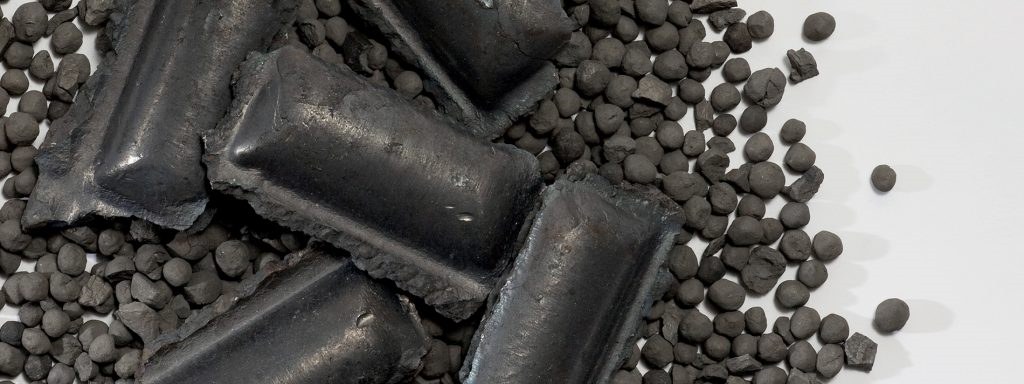
HBI vs CBI Comparison
Hot Briquetted Iron (HBI) and Cold Briquetted Iron (CBI) are two distinct forms of briquetted iron, each tailored to specific purposes based on their production methods and physical attributes. HBI is manufactured by compressing direct reduced iron (DRI) at elevated temperatures of approximately 650–700°C immediately after reduction. This high-temperature processing makes HBI more stable, less susceptible to oxidation, and easier to handle during storage and transportation. The hot briquetting process results in a highly compact, dense, and uniform structure, making HBI particularly suitable for use in electric arc furnaces (EAFs) and blast furnaces. Additionally, HBI boasts a higher iron content, typically ranging from 90–94%, with minimal impurities, making it an excellent feedstock for steel production. CBI, in contrast, is produced by compacting DRI at ambient temperatures without the application of heat. These briquettes often serve as a more stable form of DRI for storage and transport. However, CBI is generally less dense and more prone to oxidation compared to HBI. It finds applications in areas lacking hot briquetting infrastructure or where steelmaking requirements for high-purity iron are modest. Despite its practicality for certain markets, CBI is less effective in large-scale steel manufacturing due to its lower density and greater oxidation risks. HBI offers several advantages over CBI, including better stability, higher density, and reduced susceptibility to oxidation. These attributes enhance efficiency and lower energy consumption during steelmaking processes. Furthermore, its compact structure maximizes furnace performance and cost-effectiveness. However, the production of HBI involves more sophisticated and energy-intensive technologies, which contribute to its higher costs. In summary, HBI is typically the material of choice for large-scale steel production due to its superior quality, reliability, and ease of transportation. Nonetheless, CBI remains a practical alternative for regions with limited access to hot briquetting facilities or markets with lesser demands for high-purity products.


No comment