
 En
En

Urea liquid is an efficient nitrogen-based fertilizer widely used in agriculture to support plant growth and development. Its distinguishing feature is its liquid form, which ensures quick dissolution in water and facilitates application. The primary component of urea liquid is urea molecules (CO(NH2)2), synthesized through a high-pressure, high-temperature chemical reaction between ammonia (NH3) and carbon dioxide (CO2). This process, often referred to as the Bosch process, is a cornerstone of industrial urea production. Producing urea liquid involves reacting ammonia with carbon dioxide under high pressure, resulting in urea formation. This urea is then dissolved in water to produce a concentrated liquid solution. The solution is typically stored and transported in large tanks or containers, enabling easy distribution and direct application to crops. Compared to granular urea, the liquid form offers greater versatility, as it can be easily diluted and incorporated into modern irrigation systems like drip irrigation, delivering nutrients efficiently to plant roots. The chemical properties of urea liquid make it fast-acting and highly effective. Once applied to the soil, it quickly decomposes into ammonium (NH4+) and nitrate (NO3-) ions—forms of nitrogen that are crucial for plant growth and essential processes such as protein synthesis, chlorophyll production, and overall metabolism. As a result, urea liquid supports robust plant growth, enhances agricultural yields, and improves crop quality. One significant advantage of urea liquid is its rapid absorption by the soil. While granular urea may take time to dissolve and become available to plants, urea liquid integrates swiftly into the soil solution, allowing immediate uptake. This feature makes it especially beneficial for soils in need of a quick nitrogen boost or in regions facing limited water availability, where optimizing resources like water is critical. Additionally, the ability to deliver nutrients precisely through irrigation systems minimizes waste and reduces the risk of over-fertilization. Urea liquid is particularly advantageous for soils with low nutrient retention capacities—such as sandy or light soils—where nutrients may leach out quickly. By using urea liquid, farmers can ensure that nitrogen remains concentrated within the root zone for effective plant absorption. Furthermore, it can be blended with other fertilizers or pesticides, offering a convenient and adaptable solution for integrated crop management. Despite these benefits, urea liquid does require careful storage and handling. Its liquid state makes it more susceptible to nitrogen loss through evaporation, especially in hot and dry climates. Consequently, applying urea liquid during favorable weather conditions and at appropriate times of the year is essential to maximize its effectiveness. In conclusion, urea liquid is a highly effective fertilizer that delivers essential nitrogen for optimal plant growth. Its rapid absorption, ease of integration with irrigation systems, and capacity to boost crop yields make it a valuable asset in modern agriculture. The combination of a fast-acting chemical composition and precise application capabilities underlines its effectiveness in improving agricultural productivity. While cautious management is needed to mitigate nitrogen loss, the versatility and efficiency of urea liquid have firmly established it as a preferred choice among farmers worldwide. Click here to view the liquid urea

The physical and chemical properties of liquid urea make it a highly effective and efficient fertilizer widely used in modern agriculture. Physically, liquid urea is a clear, colorless aqueous solution that dissolves readily in water. Its high solubility enables quick distribution in soil and seamless integration with advanced irrigation systems like drip and sprinkler irrigation. This characteristic ensures rapid absorption by plants, making liquid urea an excellent choice for promoting swift and robust plant growth. Chemically, liquid urea is composed of urea molecules (CO(NH2)2), formed through the reaction of ammonia (NH3) with carbon dioxide (CO2). As a nitrogen-rich compound, it plays a vital role in plant health and development. When introduced to the soil, the nitrogen in liquid urea converts into ammonium (NH4+) and nitrate (NO3-) forms, both crucial for optimal plant nutrition. These transformations contribute significantly to improved plant growth and greater agricultural yields. Liquid urea typically has a pH between 7.5 and 8.5, reflecting its mildly alkaline nature. This makes it particularly beneficial for use in acidic soils or soils requiring pH correction. Its ability to dissolve readily in soil enhances nitrogen availability, making it especially effective in low-pH conditions. Moreover, its versatility allows it to be employed across various soil types, including sandy and lightweight soils, where nutrient retention is often a challenge. From a chemical perspective, liquid urea offers the advantage of controllability, allowing for precise adjustments in plant feeding regimens. The nitrogen it provides can be tailored to meet specific crop needs, directly influencing growth rates and crop quality. As a fast-acting fertilizer, its quick solubility delivers immediate effects on plants, making it a preferred choice for farmers aiming to boost productivity and enhance the quality of their produce. Additionally, liquid urea’s compatibility with pressurized irrigation systems and advanced agricultural setups further underscores its value in modern farming practices. Beyond agriculture, its versatility extends to other industries such as chemical manufacturing and the production of nitrogen-based products, cementing its indispensable role across multiple sectors.
advantages and disadvantages of liquid urea
Liquid urea is a widely utilized fertilizer in agriculture due to its numerous benefits, making it a favored choice among farmers. One of its key advantages lies in its high water solubility, allowing it to dissolve rapidly in soil and provide nitrogen to plants in an accessible form. As a fast-acting fertilizer, it promotes accelerated plant growth and is particularly suited for modern irrigation methods like drip and sprinkler systems. These systems ensure the even distribution of fertilizer with minimal waste, thereby increasing application efficiency and reducing costs for farmers. Another notable benefit of liquid urea is the precise control it offers over nitrogen application. This precision enables farmers to meet the specific nitrogen requirements of their crops, helping mitigate problems caused by either nitrogen deficiency or excess in the soil. The nitrogen in liquid urea is available in ammonium and nitrate forms, both of which are vital for plant nutrition and contribute to healthy crop development. Furthermore, liquid urea can play a role in modifying soil pH, particularly benefiting acidic soils by improving their suitability for plant growth. However, there are challenges to consider when using liquid urea. One primary concern is nitrogen loss through volatilization, especially in hot and dry conditions. Under high temperatures, nitrogen can rapidly convert to ammonia gas, which then evaporates from the soil surface. This not only decreases fertilizer efficiency but also leads to nutrient loss, potentially reducing crop yield. To maximize its benefits, proper timing and favorable application conditions are essential when using liquid urea. Storage requirements also pose a challenge. Liquid urea must be kept in appropriate containers to prevent evaporation or chemical degradation. Additionally, handling liquid urea necessitates precautions, as it may cause irritation if it comes in contact with skin or eyes. Adopting safety measures such as wearing gloves and protective eyewear is advisable to minimize health risks. Adherence to safety protocols is critical for those working with liquid urea to ensure its safe and effective use. Click here to view the liquid urea
applications of liquid urea include
Liquid urea is a highly versatile chemical compound with a range of important applications, particularly in agriculture and industry. One of its primary and most significant uses is as a nitrogen fertilizer. Nitrogen is a vital nutrient for plant growth, and liquid urea offers an efficient, easily accessible source of it. In agriculture, it is commonly used for various crops, including cereals, vegetables, fruits, and ornamental plants. Thanks to its easy solubility in water, liquid urea can be delivered through irrigation systems like drip or sprinkler setups, ensuring uniform and efficient nutrient distribution. This allows plants to absorb nitrogen effectively, promoting healthier growth and resulting in higher yields. Its fast-acting nature further accelerates plant development, making it an indispensable tool for boosting agricultural productivity. In addition to its function as a fertilizer, liquid urea contributes to improving soil quality. It enhances soil fertility by providing the nitrogen essential for plant processes such as protein synthesis, which directly impacts overall plant health. Furthermore, it can play a role in adjusting acidic soil pH levels, neutralizing excessive acidity to create more favorable growing conditions. This property is especially valuable in areas with suboptimal soil quality, offering farmers a reliable solution to maximize crop potential. Liquid urea also has notable applications in the livestock sector as a feed supplement for ruminant animals like cattle, goats, and sheep. As a nitrogen source, it supports these animals’ digestive processes and aids in protein synthesis. When administered in controlled amounts, it promotes better growth and health in livestock. This application is particularly advantageous in regions where natural protein sources are limited or too costly, offering an economical and efficient alternative to traditional feeds. Beyond agriculture and animal husbandry, liquid urea serves critical roles in industrial processes. It is a key component in the production of plastics, resins, and adhesives. For instance, it is used in the manufacture of urea-formaldehyde resins—materials known for their durability and strong adhesion properties. These resins are widely employed in the wood and construction industries for products like plywood and particleboard. This underscores liquid urea’s relevance in sectors outside farming and livestock care. Another significant use of liquid urea is in wastewater treatment. It plays an active role in denitrification processes, where it helps eliminate excess nitrogen compounds from wastewater. These compounds, if left untreated, can pose serious environmental risks. By breaking them down, liquid urea allows for improved water quality before its release into natural ecosystems. This not only makes the water safer for aquatic life but also decreases environmental pollution. The wide-ranging applications of liquid urea clearly illustrate its importance across multiple sectors—from agriculture and animal nutrition to industrial manufacturing and environmental protection. Its ability to supply essential nutrients to plants, enhance soil conditions, support livestock health, drive industrial production, and mitigate environmental impacts positions liquid urea as an invaluable resource across numerous industries.
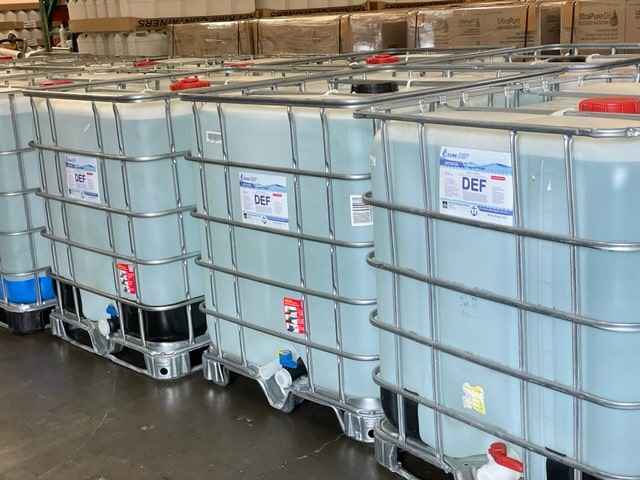
global market for liquid urea
The global liquid urea market is shaped by a convergence of agricultural, industrial, and environmental dynamics. As one of the most widely used nitrogen-based fertilizers, liquid urea is integral to enhancing crop yields and maintaining soil health, underscoring its essential role in agricultural production worldwide. With the global population steadily rising and food demand increasing sharply, the need for effective fertilizers, particularly those rich in nitrogen, has surged. Liquid urea’s rapid absorption and quick-release characteristics make it a highly effective solution to ensure crops receive the necessary nutrients for optimal growth. This efficiency has fueled its adoption across both developed and developing nations where agriculture remains a cornerstone of the economy. In modern farming practices, particularly precision agriculture, liquid urea has gained substantial traction due to its compatibility with advanced irrigation systems like drip and sprinkler technologies. These systems allow for precise nutrient targeting, minimizing wastage and bolstering productivity. The push toward sustainable farming practices has further amplified its appeal. By enabling higher crop yields with lower environmental footprints, liquid urea supports the growing need to balance agricultural efficiency with ecological responsibility. As farming continues to integrate cutting-edge innovations, the demand for liquid urea is projected to expand steadily. Beyond agriculture, liquid urea holds pivotal roles in various industrial sectors. Urea-formaldehyde resins, derived from liquid urea, are central in manufacturing plastics, adhesives, and wood-based products such as plywood and particle board. The growth of the construction industry—fueled by urbanization and infrastructure development—has heightened the demand for these materials, indirectly driving liquid urea consumption. As industrial sectors evolve and modernize, the use of liquid urea in these applications is expected to broaden, opening additional pathways for market growth. Environmental considerations have also emerged as key drivers of liquid urea demand. Increasingly, it is being utilized in wastewater treatment processes to mitigate nitrogen pollution. In these systems, liquid urea facilitates denitrification, effectively removing excess nitrogen compounds to prevent eutrophication and enhance water quality. With mounting awareness of nitrogen’s detrimental impact on aquatic ecosystems and coastal waters, liquid urea’s role in sustainable environmental management is likely to grow. Global trade dynamics and geopolitical factors also significantly influence the liquid urea market. Leading producers such as China, India, and Russia dominate global supply chains. However, challenges like fluctuating raw material costs, transportation expenses, and trade restrictions can impact pricing and availability. Moreover, evolving environmental regulations and sustainability initiatives are set to play a critical role in shaping market trends. Governments worldwide are increasingly implementing policies to curb nitrogen emissions and advocate for eco-friendly agricultural practices, which could reshape the market landscape. In summary, the global liquid urea market is positioned for sustained growth across agriculture, industry, and environmental applications. Despite obstacles like price volatility and supply chain disruptions, its versatile uses and increasing demand across sectors indicate a positive trajectory. As agricultural technologies advance, industrial activities expand, and sustainability remains a global priority, the market for liquid urea is expected to evolve dynamically in response to these shifting trends. Click here to view the liquid urea

The price of liquid urea
The price of liquid urea is shaped by a range of factors tied to its production, demand, and supply dynamics. A key determinant is the cost of raw materials, particularly natural gas, which serves as a critical feedstock in ammonia production a fundamental ingredient in liquid urea. Variations in natural gas prices directly influence production costs, thereby affecting the overall price of liquid urea. Additionally, the scale and efficiency of production facilities significantly impact pricing. Regions with advanced manufacturing capacities usually benefit from reduced production costs, resulting in more competitive pricing, while countries with limited production or heavy reliance on imports often face elevated prices due to transportation and logistical overheads. The agricultural sector’s demand is another pivotal element influencing liquid urea prices. As a primary nitrogen fertilizer, its price tends to align with seasonal agricultural cycles, peaking during planting and harvest periods. Broader trends, such as global crop production, food security concerns, and evolving farming practices, further drive demand fluctuations that ripple through to pricing. Government policies also exert considerable influence; subsidies or price regulations can directly impact costs, while shifts in agricultural policy, trade rules, or environmental mandates can introduce pricing volatility. Transportation and logistics add another layer of complexity to liquid urea pricing. Moving this product from production sites to end users entails significant costs shaped by fuel prices, shipping expenses, and regional infrastructure quality. These logistics are especially pivotal for import-dependent areas where such costs account for a substantial portion of the retail price. Global supply and demand dynamics also factor heavily. Geopolitical developments, economic conditions, and international trade agreements play a decisive role in market balance, with disruptions such as natural disasters, labor strikes, or political instability in key production zones often driving prices upward. Environmental and regulatory pressures further contribute to price formation. With growing global emphasis on environmental sustainability, stricter regulations on fertilizer-related emissions and industrial activities have emerged. Adhering to these standards involves higher compliance costs, which are frequently passed along to consumers. Furthermore, initiatives promoting sustainable farming or fostering eco-friendly urea products can influence market trends and pricing structures. Collectively, these interconnected factors shape the intricate pricing landscape of liquid urea across local and international markets.





No comment