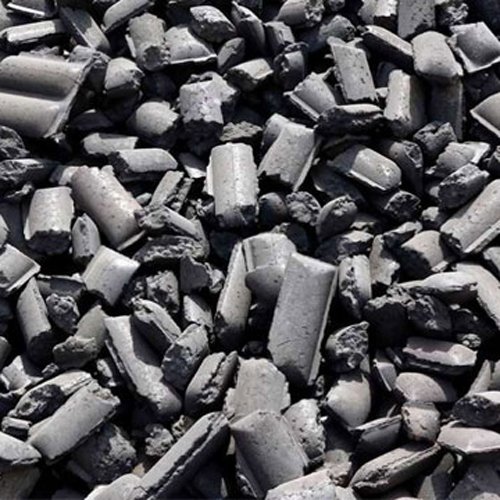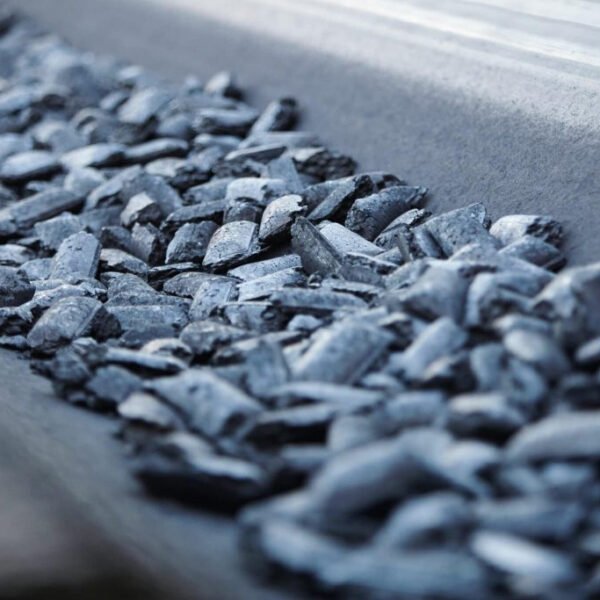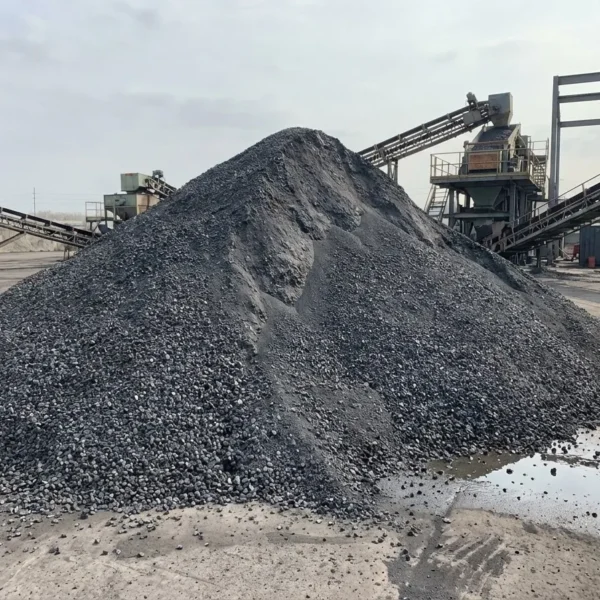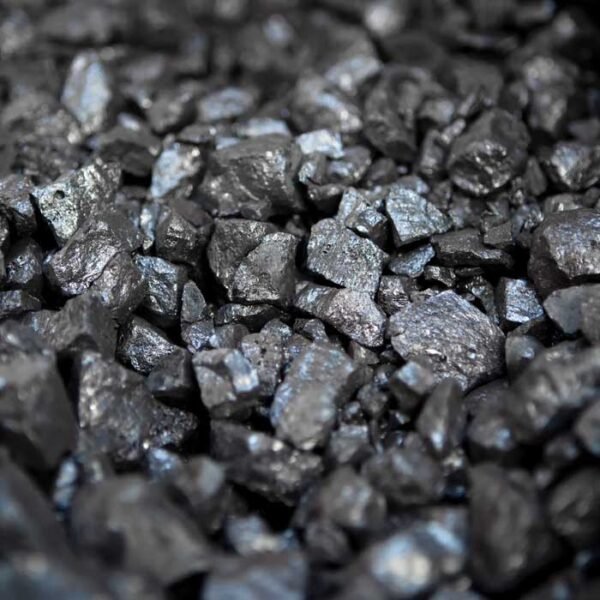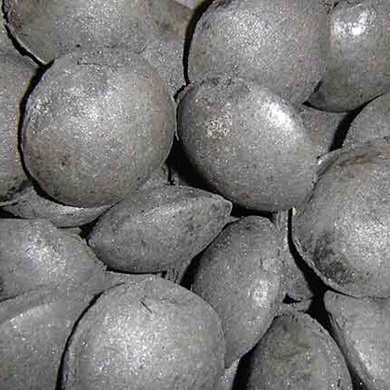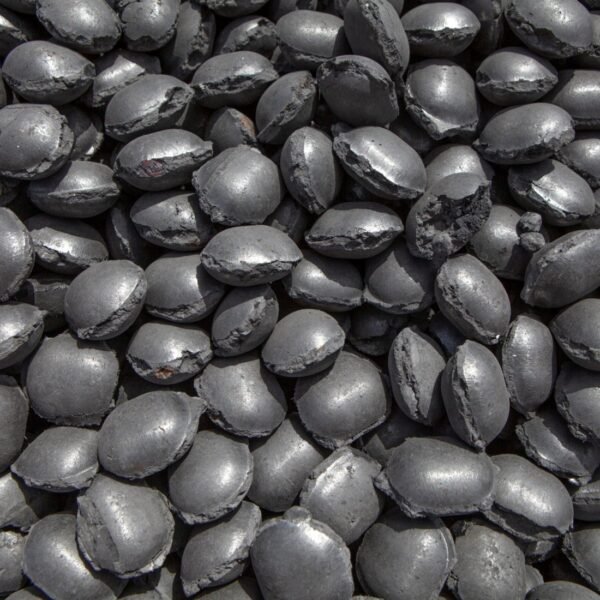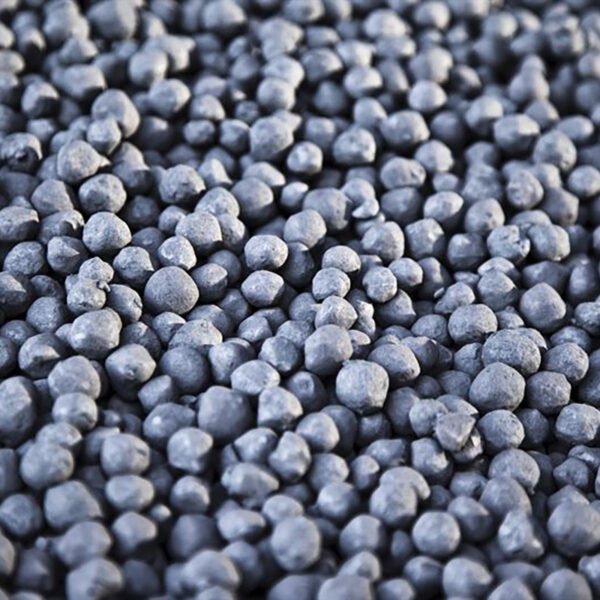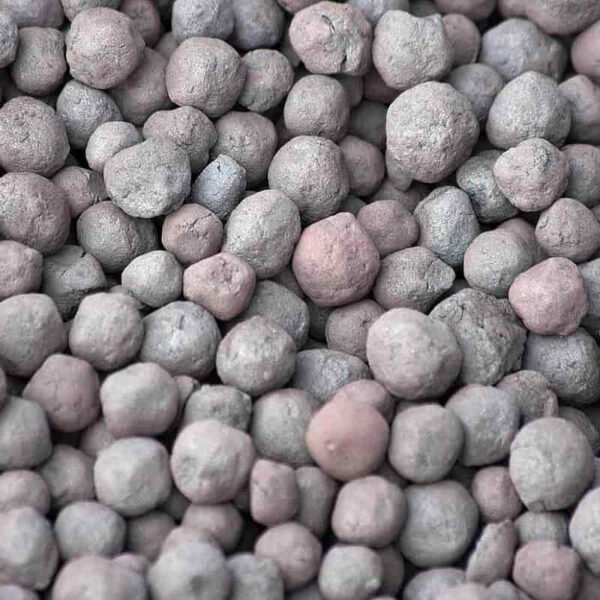

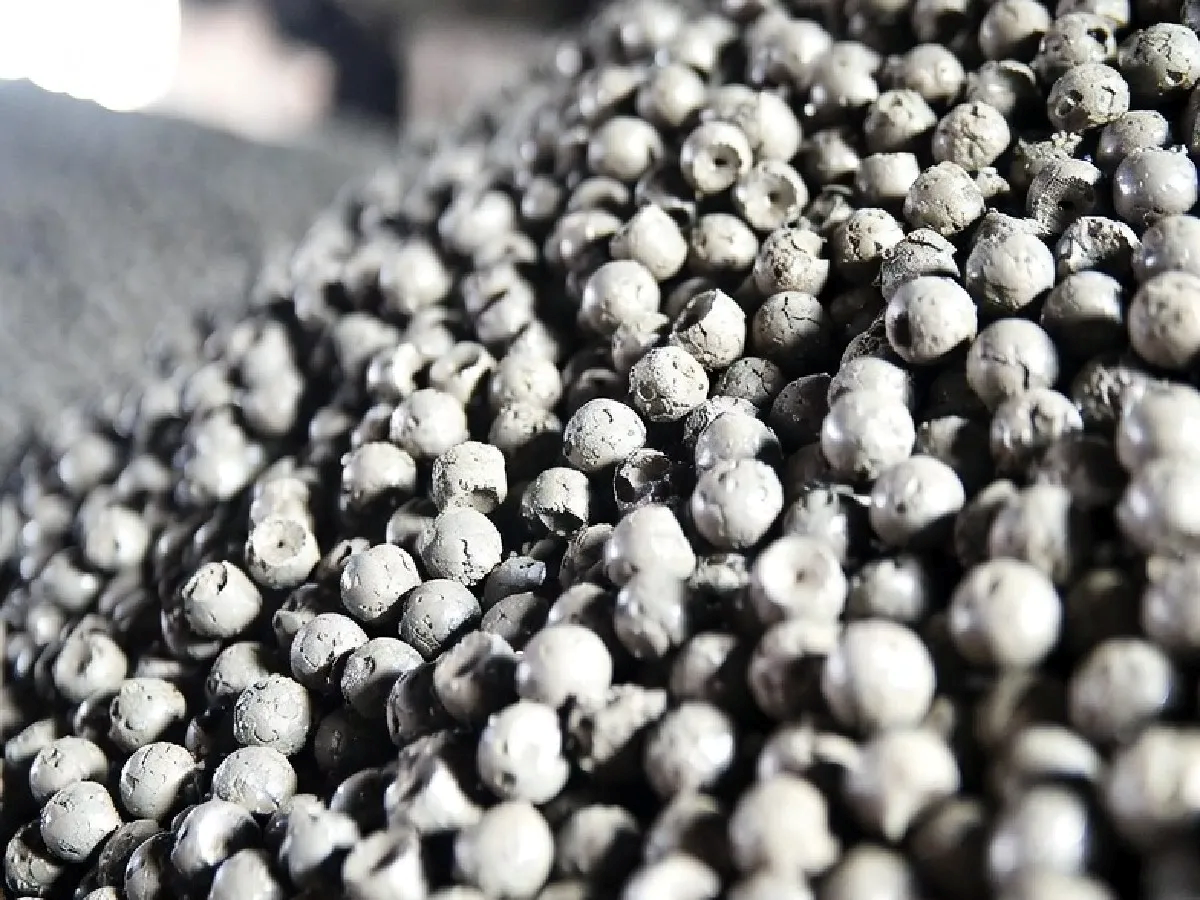
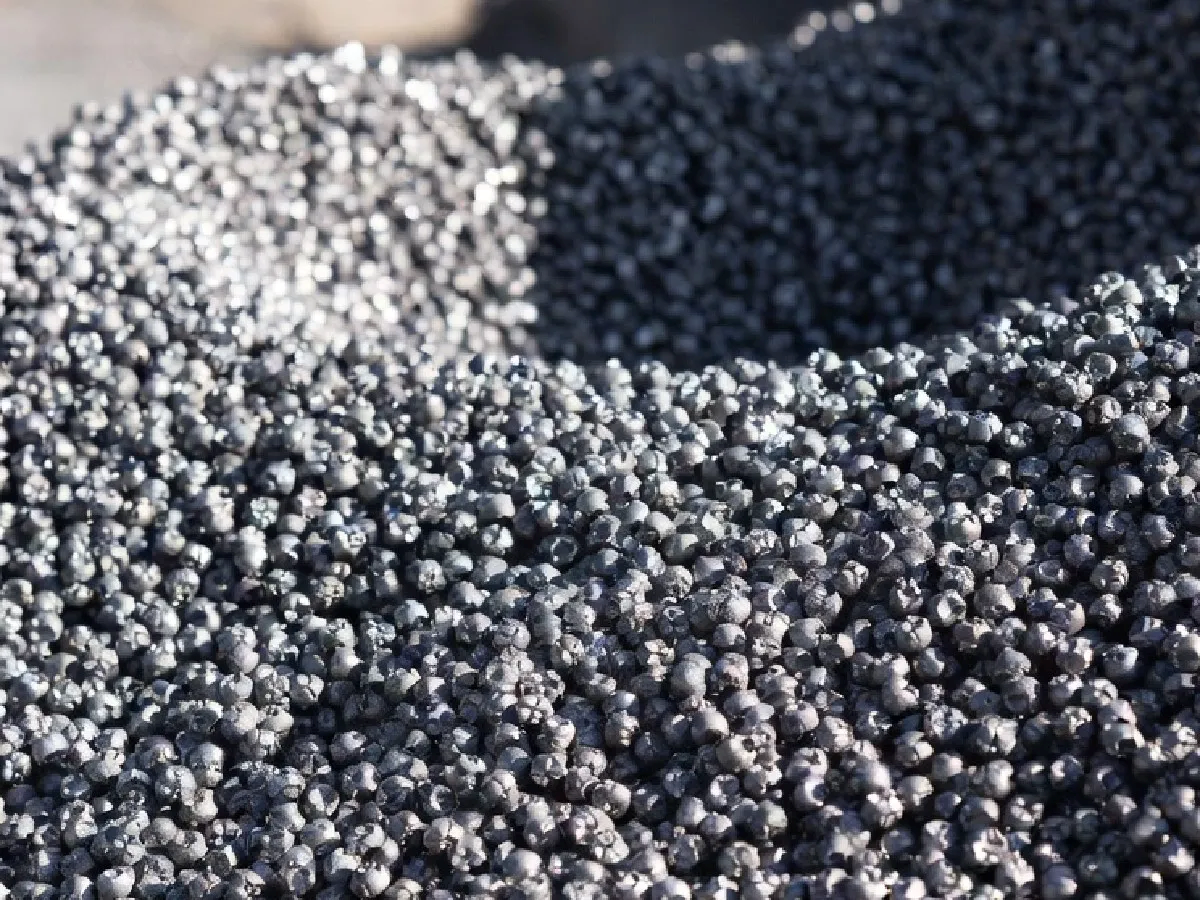
Direct Reduced Iron (DRI), commonly known as Sponge Iron, is a premium metallic product made by removing oxygen from iron ore while keeping the material in a solid state. This process avoids melting the ore, which distinguishes it from traditional blast furnace methods that produce liquid pig iron. Instead, iron ore in the form of pellets or lumps is chemically reduced below its melting point, resulting in a porous and lightweight structure that gives rise to the name Sponge Iron. The high metallization and low impurity levels of Direct Reduced Iron (DRI) make it a valuable feedstock for modern steelmaking, particularly in electric arc furnaces.
There are two main industrial methods for producing Direct Reduced Iron (DRI): gas-based reduction and coal-based reduction. Gas-based processes, such as MIDREX and HYL, use natural gas that is reformed into a reducing gas rich in hydrogen and carbon monoxide. This gas is introduced into a vertical shaft furnace packed with iron ore pellets. As the gas flows upward through the bed of ore, it reacts with iron oxides, stripping away oxygen and producing highly metallized DRI with iron content typically exceeding 90 percent. This method is energy efficient, yields a cleaner product.
In contrast, coal-based DRI production uses non coking coal as the reductant. This approach is commonly implemented using a rotary kiln, where iron ore and coal are fed together into a long, rotating, inclined furnace heated to high temperatures. The carbon in the coal acts as the reducing agent, facilitating the removal of oxygen from the iron ore. While this method is more prevalent in areas with limited natural gas infrastructure, it generally results in lower metallization and higher levels of residual elements compared to gas-based DRI.
Direct Reduced Iron (DRI) is playing an increasingly vital role in the global transition toward sustainable steel production. As the steel industry seeks to reduce its carbon footprint, DRI produced using green hydrogen instead of fossil fuels is emerging as a key enabler of Green Steel. Unlike recycled scrap, which can carry accumulated tramp elements like copper, tin, or nickel through repeated recycling cycles, DRI provides a consistent and pure source of primary iron. This is especially important for manufacturers producing high quality steel grades where chemical consistency is critical.
From a practical standpoint, Direct Reduced Iron (DRI) offers excellent handling and operational characteristics. Its uniform size, high density, and predictable melting behavior make it easy to store, transport, and charge into furnaces. In electric arc furnace operations, DRI helps stabilize the melt chemistry, improve yield, reduce energy consumption, and minimize slag volume. These operational advantages translate into cost savings and greater process control for steelmakers.
Moreover, converting raw iron ore into Direct Reduced Iron (DRI) significantly enhances the economic value of the material. Instead of shipping low value oxide, producers deliver a high value metallic product that is ready for immediate use in steelmaking. This not only improves logistics but also supports more flexible and responsive production planning.
As environmental regulations tighten and market demand grows for low carbon materials, Direct Reduced Iron (DRI) stands out as both a technically sound and strategically forward looking solution. It bridges conventional ironmaking with the future of clean steel, offering immediate metallurgical benefits while paving the way for decarbonized production. For steel producers, traders, and industrial users, DRI represents a reliable, high performance, and sustainable raw material in today’s evolving steel landscape.