
 En
En
Origins and Early Use of Iron Ingots
Iron is among the earliest metals discovered and utilized by humans, profoundly shaping the trajectory of civilizations. Archaeological evidence reveals that, prior to industrial manufacturing, humans interacted with natural iron, particularly meteoric iron. Unlike iron ore, meteoric iron appeared in its pure metallic form, often alloyed with small amounts of nickel, which enhanced its durability. Artifacts demonstrate the use of meteoric iron in tools and ornaments dating back to roughly 3000 BCE.
Prized for its hardness and resilience, this metal was employed to create small tools and decorative items. Early methods involved hammering and heating the material to make it more pliable and workable. As human ingenuity evolved, the search for terrestrial sources of iron intensified. Iron ores, primarily oxides and carbonates, required extraction through high temperature heating and primitive smelting techniques.
The earliest confirmed evidence of ore-based iron production comes from ancient societies in the Middle East and North Africa. During the Bronze Age, iron was exceptionally rare and highly valuable, often reserved for ceremonial or symbolic purposes rather than practical applications. It was considered a luxury item, a marker of power or social prestige, due to the labor-intensive processes needed for its production. Smelting relied on low-temperature bloomery furnaces, limiting output.
The initial iron obtained from smelting was far from pure; it contained significant impurities and often took the form of blooms or spongy masses. This raw iron was brittle and hard, requiring meticulous mechanical and thermal refining to enhance its quality. Iron ingot precursors emerged from these early efforts. Click to view the steel slab.
The Dawn of the Iron Age
Between 1500 and 1200 BCE, iron use gradually expanded in the Middle East, ushering in the Iron Age. Advancements in smelting technology allowed for the production of purer iron ingots, facilitating stronger tools and weapons. This technological leap significantly impacted societal and military structures. Compared to copper or bronze, early iron was more durable and harder but also more challenging to smelt and shape.
These difficulties catalyzed innovation among metallurgists, spurring the development of specialized techniques tailored to ironworking. Civilizations like those in Egypt, Mesopotamia, and Anatolia were among the pioneers in adopting iron technology. Tools such as blades, arrowheads, and implements made of iron proved more durable and efficient than their predecessors. Despite these advances, meteoric iron retained cultural importance during this era.
It was often reserved for religious artifacts or royal insignias, as evidenced by its presence in tombs and other archaeological sites. The unique nature of meteoric iron imbued it with symbolic and spiritual significance. Gradual improvements in smelting processes eventually enabled a more systematic and scalable approach to iron production. The affordability and accessibility of iron tools and weapons boosted agricultural productivity and military prowess.
This elevated iron’s economic and strategic value. The spread of iron-smelting knowledge between regions fostered trade, influenced migration patterns, and encouraged diverse societies to develop their distinctive methods for working with the metal. Iron ingot standardization began in this era.
Symbolism and Societal Impact
Beyond its practical uses, iron acquired significant symbolic weight. Ownership of iron tools or weapons indicated not only material wealth but also a society’s technological sophistication. As smelting techniques improved over time, particularly in heat control and impurity removal, higher-purity iron ingots emerged. These allowed for the creation of more refined and durable implements, further advancing societal development. Click to view the steel slab.
Artifacts from regions as varied as the Middle East, India, and China indicate that the discovery and adoption of iron occurred independently across multiple societies. This widespread innovation underscores the universal significance of this material in shaping human progress. Ultimately, the mastery of iron marked a pivotal epoch in human history.
It revolutionized not only toolmaking but also economic structures, military strategies, and technological innovation. Iron laid the groundwork for future developments like steel production, cementing its role as a cornerstone of civilization’s advancement. Iron ingot trade routes connected continents. Cultural exchange accelerated through metallurgical knowledge sharing.
Early Smelting and Bloomery Techniques
In ancient times, humans grappled with the challenge of smelting and extracting iron from ore. Early techniques relied on the use of small, rudimentary furnaces referred to as bloomeries, which operated at relatively low temperatures. These furnaces could not reach the melting point of iron and instead produced a porous mass composed of iron mixed with slag.
This process involved combining crushed iron ore with charcoal in the furnace while using bellows to inject extra air, raising the temperature. The smelting operation often spanned several hours, yielding a bloom, a spongy collection of raw iron still harboring significant impurities. Following this stage, smiths would repeatedly hammer and reheat the bloom to expel slag and refine the material, making it more workable. Click to view the steel bloom.
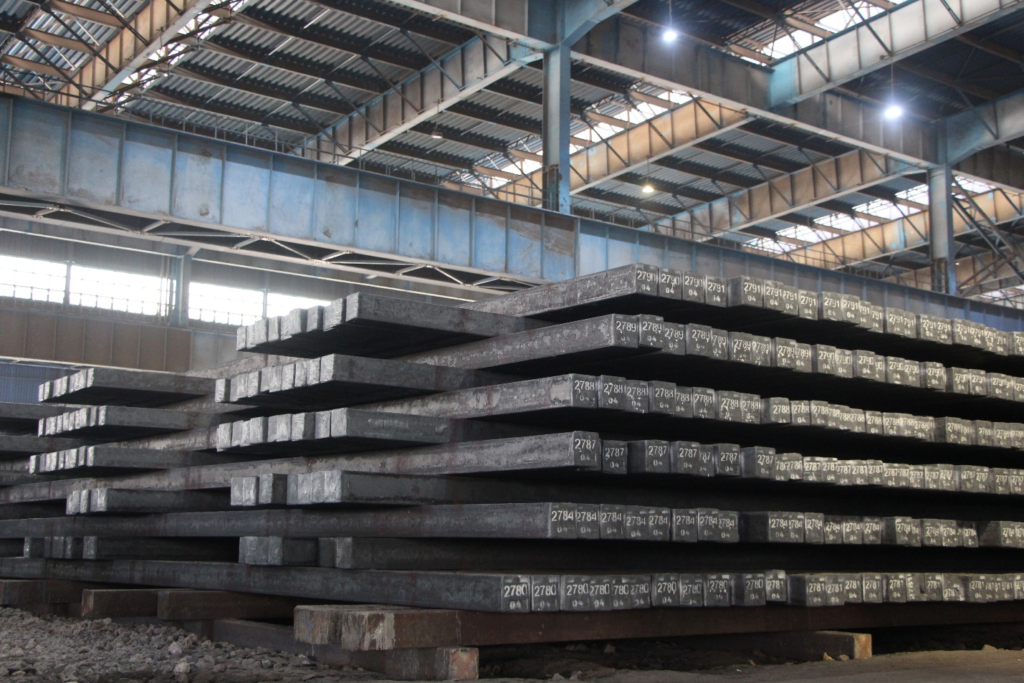
Despite this effort, the resulting iron was harder and sturdier than prior metals but remained brittle and impure compared to contemporary standards. Over time, advancements were made as people discovered that increased furnace temperatures and improved airflow could enhance iron quality. Civilizations introduced better tools such as hand- or foot-operated bellows, which delivered more oxygen into the furnace and optimized smelting efficiency.
Furnace designs varied significantly across regions. In China, taller, more sophisticated furnaces were developed over time, enabling the production of larger quantities of iron. Conversely, in Europe, bloomery furnaces evolved incrementally to boost output while maintaining their core functionality. Iron ingot forms began emerging from refined blooms.
Material Science and Regional Innovation
One notable method involved slowly melting and stirring the bloom within the furnace, which helped form solid, compact pieces of iron suitable for crafting tools and weapons. To achieve refined results, smelting relied on specific raw materials: iron ore, charcoal, and occasionally lime. Lime served as a flux to bind impurities and facilitate their removal as slag.
Controlling the combination of materials and maintaining precise temperatures were crucial in determining the quality of the iron ingots produced. The task of operating these furnaces demanded skill and experience. Small mistakes in managing material ratios or temperatures often led to lower-quality results. Consequently, early metallurgists steadily refined their techniques to ensure consistency in the end product. Click to view the steel slab.
As technology advanced, traditional furnaces gave way to more sophisticated methods, including taller blast furnaces capable of higher production volumes. This shift marked a significant milestone, enabling the widespread availability of iron ingots for diverse uses, such as tools, weapons, and construction materials. Ultimately, these early practices in iron production played an essential role in the evolution of metallurgy.
They served as the foundation for steelmaking and industrial ironworking in later eras. They exemplify humanity’s enduring ability to confront challenges and innovate solutions within the realm of material science. Iron ingot quality improved through empirical knowledge transfer.
Industrial Transformation and Blast Furnace Innovation
Over time, the demand for higher production rates and superior-quality iron drove humanity to innovate in smelting and refining techniques. One of the most significant breakthroughs was the invention of the blast furnace, a development that enabled higher temperatures and larger-scale iron production. By the 15th century, these furnaces had become widespread across Europe, revolutionizing the iron industry.
The blast furnace greatly enhanced iron production by melting ore completely and better extracting impurities. This process led to the production of more uniform and purer iron ingots, which were particularly suitable for industrial and military applications. Other key advancements included improvements in air circulation systems and bellows. The introduction of mechanical bellows and air pumps ensured controlled airflow, optimizing furnace temperatures.
These innovations decreased fuel consumption while boosting production efficiency. Simultaneously, using coke as fuel instead of charcoal proved transformative. Coke provided a more stable, high-temperature heat source and facilitated impurity removal. This transition enabled economical large-scale iron production. Progress in refinement techniques also brought significant changes.
By controlling carbon content during the production of iron ingots, manufacturers set the stage for steelmaking and created iron products with enhanced mechanical properties. These improvements allowed for more precise and durable tools. Iron ingot standardization accelerated industrial adoption.
Furnace Engineering and Mass Production
Further technological advancements focused on furnace design and structure. Alterations in furnace height, diameter, raw material placements, and optimized airflow increased operational efficiency while reducing waste. Skilled engineers and metallurgists refined these designs through continuous experimentation. In some regions, innovation involved integrating thermal and mechanical processes.
Post-smelting methods like hammering and rolling reduced impurities further while strengthening the material. Combining these techniques significantly improved the quality of the final product. Advancements also scaled up production capacity. Larger blast furnaces and auxiliary equipment facilitated mass production of iron ingots, serving both domestic markets and exports.
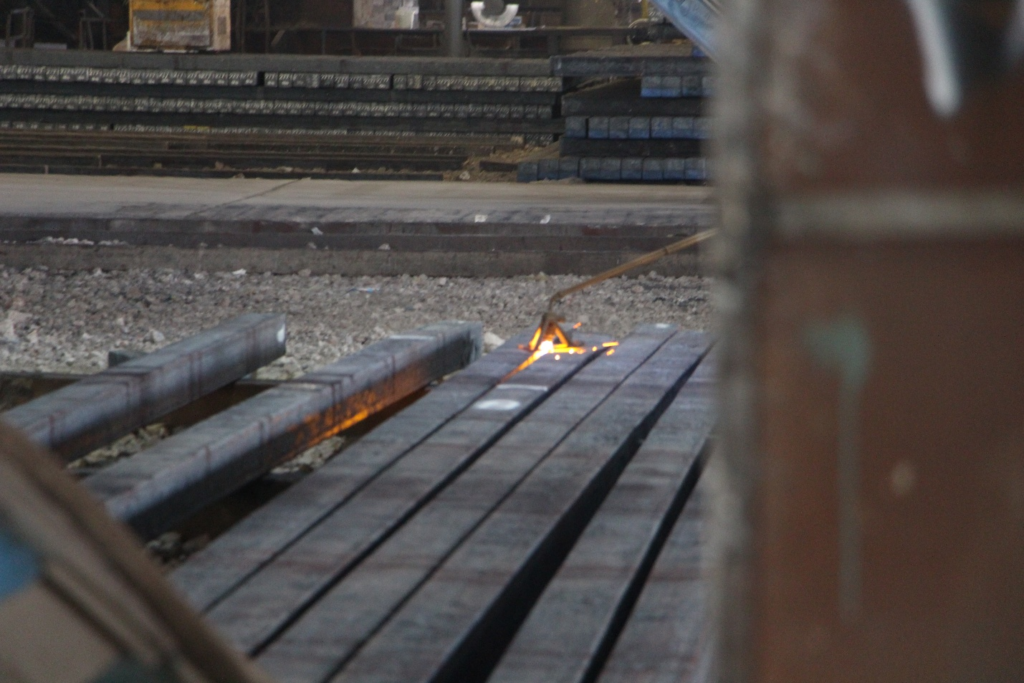
This growth impacted the economies of iron-producing regions. Standardized production methods enabled manufacturers to deliver iron ingots with consistent and specified properties. This uniformity laid a foundation for modern steelmaking and a wide range of iron-based products later used in construction, transportation, and military applications. Iron ingot reliability supported infrastructure expansion.
Ultimately, technological progress in iron ingot production showcases human ingenuity in addressing metallurgical challenges, improving efficiency, and enhancing material quality. These advancements provided a crucial basis for the Industrial Revolution and propelled forward developments in metal industries, playing an essential role in the evolution of civilizations. Production volumes met rising global demand.
Economic and Military Applications Through History
With the onset of the Iron Age, iron ingots emerged as one of the most prized commodities in ancient civilizations. These ingots became the cornerstone for crafting tools, weapons, and various implements, significantly influencing both the economic and military advancements of societies. Once humans mastered the smelting and storage of iron in ingot form, the trade and transportation of this vital resource expanded at an unprecedented pace.
In antiquity, iron ingots were regarded as a strategic asset. Their production and storage were often controlled by rulers and governments to ensure a steady supply for manufacturing weapons, armor, and other military equipment. In several prominent civilizations, including Assyria, ancient Persia, and China, iron ingots symbolized not only industrial capability but also military might.
Beyond their role in warfare, iron ingots were pivotal in advancing agriculture. When forged into durable implements like plows, sickles, shovels, and axes, they revolutionized farming practices. These tools enhanced agricultural efficiency, supported population growth, and contributed to the stability of agrarian societies. Over time, iron also began to play a critical role in architecture and construction. Click to view the steel slab.
Initially used for producing nails, locks, hinges, and construction tools, iron ingots contributed to improving structural durability. As technological expertise evolved, iron beams and components started being incorporated into bridges and buildings, further strengthening architectural development. Iron ingot versatility enabled cross-sector innovation.
Global Trade and Cultural Integration
During ancient and medieval times, iron ingots held immense value in international trade. Many nations utilized them as a form of currency or as a sought-after export good. Extensive trade routes linking regions such as Persia with India and Europe with China facilitated their movement across continents, making iron a globally traded resource.
In the Middle Ages, blacksmiths played a crucial role in refining ingots into precise and specialized tools. Iron became deeply integrated into daily life, supplying materials for kitchenware, household items, decorative artifacts, and even musical instruments, all of which derived their origins from raw iron ingots. The Industrial Revolution of the 18th century marked an exponential increase in the significance of iron ingots. Click to view the steel bloom.
The demand for iron skyrocketed as factories and machinery required vast quantities for mass production. From railways to ships and towering buildings, iron ingots formed the backbone of industrialization, shaping the modern world. The 19th century introduced a transformative shift with the advent of steelmaking. By combining iron with carbon, steel was created, a material far stronger and more versatile than pure iron.
This innovation revolutionized industries ranging from construction to transportation while ensuring iron ingots remained essential for producing steel. In contemporary times, iron ingots continue to be indispensable across numerous sectors. Industries such as automotive manufacturing, industrial machinery, aerospace, and even medical technology rely on refined iron as a critical material.
Furthermore, its recyclability and durability keep it among the most utilized metals across the globe. The history of iron ingots mirrors the trajectory of human progress. From primitive tools to monumental industrial achievements, this material has accompanied humanity through every phase of development. Iron ingot legacy defines technological evolution.
Iron Ingot Heritage in Iranian Civilization
Iran has historically been a significant hub for metallurgy and metal smelting, with evidence of iron use on the Iranian Plateau dating back over 3,500 years, predating the Achaemenid era. At this time, iron was scarce and primarily used for decorative items or specialized weapons. Archaeological discoveries at sites such as Tepe Sialk, Hasanlu, and Jiroft have revealed iron artifacts and early smelting traces.
These findings include slag remnants from primitive furnaces and fragments of raw bloomery iron. The Achaemenid period saw a broader adoption of iron. Discoveries from workshops in Susa and Persepolis demonstrate large-scale iron production for tools, construction components, and military purposes. Iron ingots were likely transported across the empire to support various industries.
Iron production peaked during the Parthian and Sassanian periods. The economy and military power of these empires relied heavily on manufacturing armor, swords, spears, and other iron equipment. Production centers were established in mountainous areas like the Zagros range and Khorasan, providing ingots to major cities. Technological advancements in the Sassanian era refined iron smelting processes, resulting in higher-quality ingots. Click to view the steel bloom.
Historical records highlight Persian blacksmiths’ expertise in refining iron to superior purity levels, which positioned Iranian iron goods favorably in local and international trade. Following the rise of Islam, Iran’s iron industry flourished under the Abbasid Caliphate. Cities such as Nishapur, Rey, Tabriz, and Hamadan became notable centers for metalworking.
During the Middle Ages, particularly under the Seljuks and Ilkhanids, iron production was more systematized. Smelting workshops emerged near mining zones, enabling semi-industrial-scale ingot manufacturing. These ingots were utilized in constructing bridges, gates, weapons, and religious monuments. The Safavid era marked a shift with the expansion of international trade, transforming Iranian iron ingots into key export commodities.
European sources from the 17th and 18th centuries praised their high quality, noting exports to regions such as India and the Ottoman Empire. In the Qajar period, European technologies influenced iron production methods. By the late 19th century, Iran established its first foundries and casting workshops, laying the groundwork for industrialized ironmaking despite limited scale.
Modernization accelerated in the 1960s with the establishment of Esfahan Steel Company, introducing large-scale industrial production of iron and steel ingots using advanced technology. Since then, Iran’s expanding iron and steel industry has become a cornerstone of its economy. Iron ingot production remains central to national development.
Research Methodology and Historical Documentation
The study of the history of iron ingots relies on a multidisciplinary approach, combining archaeological discoveries, historical records, and scientific analysis. The earliest evidence of iron usage and ingot production has been uncovered through excavations across diverse regions worldwide. Sites like Tell Halaf, Mesopotamia, Egypt, and Tepe Sialk in Iran have yielded remains of smelting furnaces, iron slags, and metal tools.
These serve as key sources for understanding this field. Artifacts from ancient civilizations, particularly those in the Middle East and Central Asia, have helped researchers trace the development of iron-smelting technologies. Advanced analytical techniques such as spectroscopy and isotope analysis provide detailed insights into the raw materials used and the smelting temperatures achieved. Click to view the steel slab.
These findings are foundational to understanding the early stages of iron ingot production. Historical texts also significantly contribute to the study of iron ingots. Ancient civilizations such as the Babylonians, Egyptians, and Persians documented the use of iron for tools and weapons. Inscriptions from the Hittites and Assyrians include references to smelting and refining processes, indicating early technical knowledge.
Iran offers valuable historical information through literary and historical texts from the Achaemenid, Sassanian, and Islamic periods. Works by historians like al-Tabari, al-Masudi, and al-Biruni describe metalworking industries and the applications of iron. Although often descriptive rather than technical, these accounts shed light on iron production’s role in the region’s history.
Cross-Cultural Knowledge Exchange
Medieval European and Islamic sources also highlight the exchange of metallurgical knowledge between the East and West. Latin and Arabic texts document methods like blast furnace smelting and air-blowing refinement. These processes laid the groundwork for more sophisticated technologies, emphasizing the importance of cross cultural scientific collaboration in advancing the iron industry.
The advent of archaeometallurgy in the 20th century enabled researchers to merge empirical data with historical evidence. Metallurgical studies have examined ancient samples to reveal aspects like purity levels, fuel types, and the microscopic structure of iron ingots. This holistic approach has helped create a detailed narrative of iron’s technological evolution over time.
Countries such as Iran, Turkey, Egypt, and Italy have undertaken extensive research on metallurgical history through their universities and research institutions. Journals like the Journal of Archaeological Science and Metallurgical Research have explored ancient production methods and the physical properties of iron ingots in different civilizations. Museums and archaeological collections further support this research.
Institutions like the National Museum of Iran, the British Museum, and the Louvre house numerous ancient iron artifacts, some directly crafted from early iron ingots. These artifacts provide valuable insights into manufacturing techniques and the broader applications of iron during various historical eras. Geological studies focusing on ancient iron mines add another layer to this understanding.
Analyses of mineral compositions and remnants from old mining sites reveal early centers of iron ore production and how raw materials were transported to smelting locations. By integrating archaeological evidence, historical accounts, and modern scientific data, researchers have established a comprehensive framework for exploring the history of iron ingots.
This synthesis not only traces the technological advancements in production but also highlights the profound relationships between technology, culture, and economy throughout human history. Without these interconnected resources, reconstructing the story of iron, one of humanity’s most transformative metals, would not have been possible. Iron ingot research continues to evolve with new technologies.
Conclusion
The journey of the iron ingot spans millennia, reflecting humanity’s relentless pursuit of progress through material mastery. From its celestial origins in meteoric iron to its terrestrial refinement in bloomery furnaces, the iron ingot has served as both a practical resource and a symbol of innovation. Its role in shaping agriculture, warfare, trade, and infrastructure underscores its unmatched historical significance. Across civilizations, from Mesopotamia to China, and particularly in Iran with its rich metallurgical heritage, the iron ingot enabled societies to build, defend, and expand. Click to view the steel bloom.
Technological milestones like the blast furnace and coke-based smelting transformed the iron ingot from a rare luxury into an industrial cornerstone. Today, the iron ingot remains vital in automotive, aerospace, and construction sectors, valued for its strength, versatility, and recyclability. As global industries evolve toward sustainability, the legacy of the iron ingot endures not only in infrastructure but in the very foundations of human advancement. Understanding its history offers insight into how material science continues to drive civilization forward through resilience and ingenuity.


No comment