
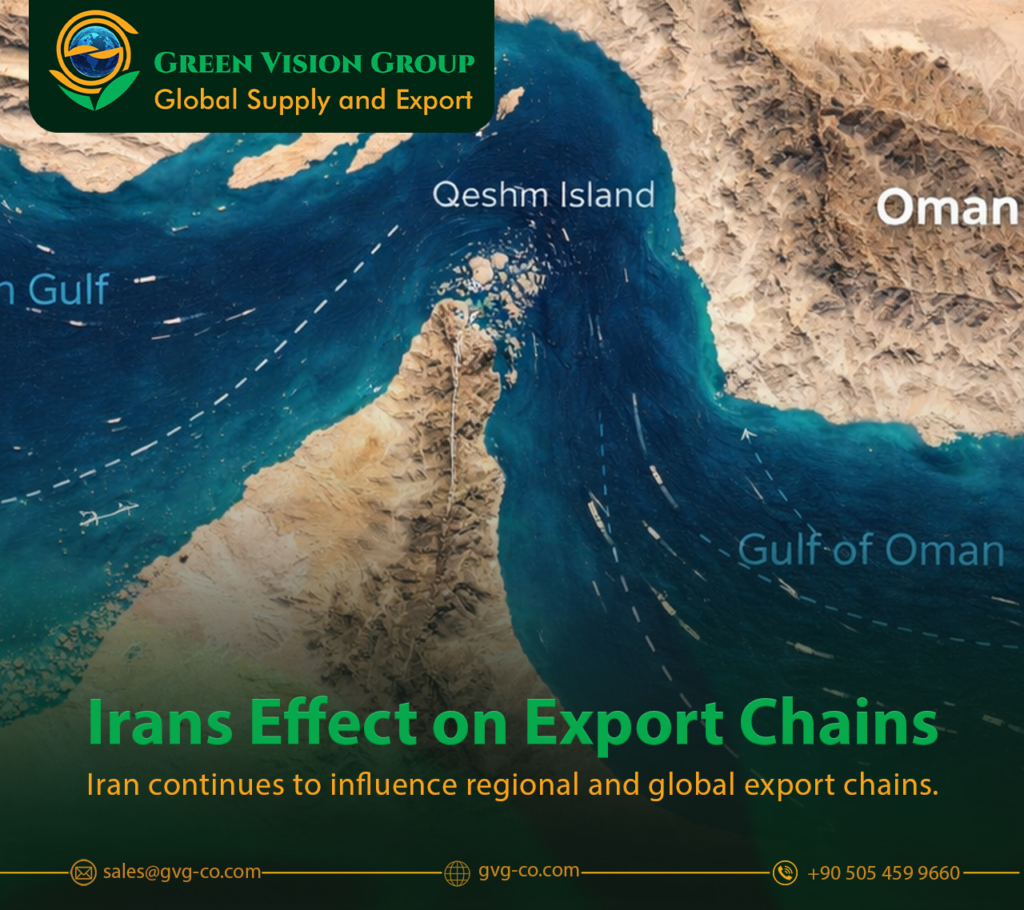
The global raw materials market has entered a period of unprecedented volatility. The escalation of military conflict between Iran and US led forces has resulted in the effective closure of the Strait of Hormuz, the world’s most critical chokepoint for bulk commodities. For importers and buyers of iron ore, steel sections, billets, and other raw materials, this is not a distant geopolitical event. It is a daily operational crisis that affects pricing, availability, logistics, and contract performance.
As a Turkish supplier serving global buyers, we have watched the situation evolve in real time. Our aim with this report is to provide raw material importers with a clear, fact based understanding of how the Hormuz closure is affecting Iranian ore and steel exports, what this means for alternative supply routes, and how to plan procurement over the next 30 days. We will avoid speculation and focus on actionable intelligence drawn from shipping data, production reports, and on the ground logistics assessments.
This guide contains ten sections, each addressing a specific concern for buyers of industrial raw materials. We will begin with the current military and shipping reality, then move to the impact on Iranian exports, the resulting supply gaps, and finally a detailed 30 day forecast with concrete recommendations for procurement managers.
The Current Situation at the Strait of Hormuz
The Strait of Hormuz is a narrow waterway between Oman and Iran. At its narrowest point, it is only 21 nautical miles wide. Approximately 20 percent of the world’s petroleum and a significant portion of liquefied natural gas pass through this strait. For dry bulk commodities like iron ore, steel billets, and finished steel sections, Hormuz is the primary artery connecting Persian Gulf producers including Iran, the UAE, and Saudi Arabia to buyers in India, Southeast Asia, East Africa, and even parts of Europe via the Suez Canal.
Since the military escalation began in late February 2026, the situation has deteriorated rapidly. Iran has deployed naval mines, fast attack craft, and shore based anti ship missiles. Commercial shipping insurers have responded by raising premiums to levels that make routine voyages uneconomical. Many shipping lines have simply withdrawn their vessels from the region. According to maritime intelligence data from the first week of April, daily ship transits through the strait have fallen by more than 95 percent compared to pre conflict levels. Before the war, an average of 120 to 150 ships passed through Hormuz every day. Today, that number is between five and ten, and most of those are naval or emergency supply vessels.
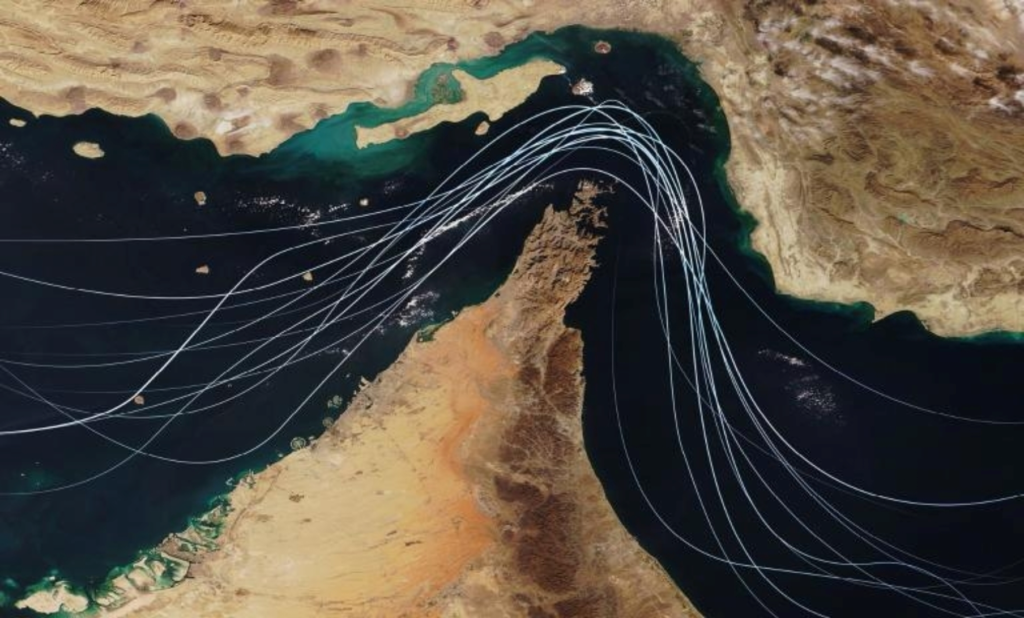
For raw material buyers, this means that any cargo originating from the Persian Gulf or passing through the strait from the Indian Ocean is effectively frozen. Even if a supplier in Iran or the UAE is willing to sell, the shipping capacity does not exist. The few vessels still operating in the region are charging war risk surcharges that can add 200 to 300 percent to normal freight rates. This is not a temporary disruption. The military situation shows no sign of immediate de escalation, and the diplomatic efforts led by the United Kingdom and France have so far failed to produce a ceasefire.
Direct Impact on Iranian Steel Production and Export Capacity
To understand the effect on raw material supply, one must first understand the damage to Iran’s production infrastructure. Iran has built a substantial steel industry over the past two decades, becoming the world’s tenth largest steel producer and the largest in the Middle East after Turkey. In 2025, Iran produced approximately 33 million tonnes of crude steel. Exports of semi finished products like billets and slabs reached nearly 11 million tonnes, with major buyers in Thailand, Indonesia, the United Arab Emirates, and Oman.
The military strikes of late March targeted Iran’s largest steel complexes. The Mobarakeh Steel Company, which accounts for roughly 40 percent of Iran’s flat steel production, suffered damage to its power supply and oxygen plant. The Esfahan Steel Company, a major producer of long products including rebar and beams, reported a complete halt to operations following a direct hit on its blast furnace. The Khuzestan Steel Company, which specializes in billets for export, has been operating at less than 20 percent capacity since March 28.
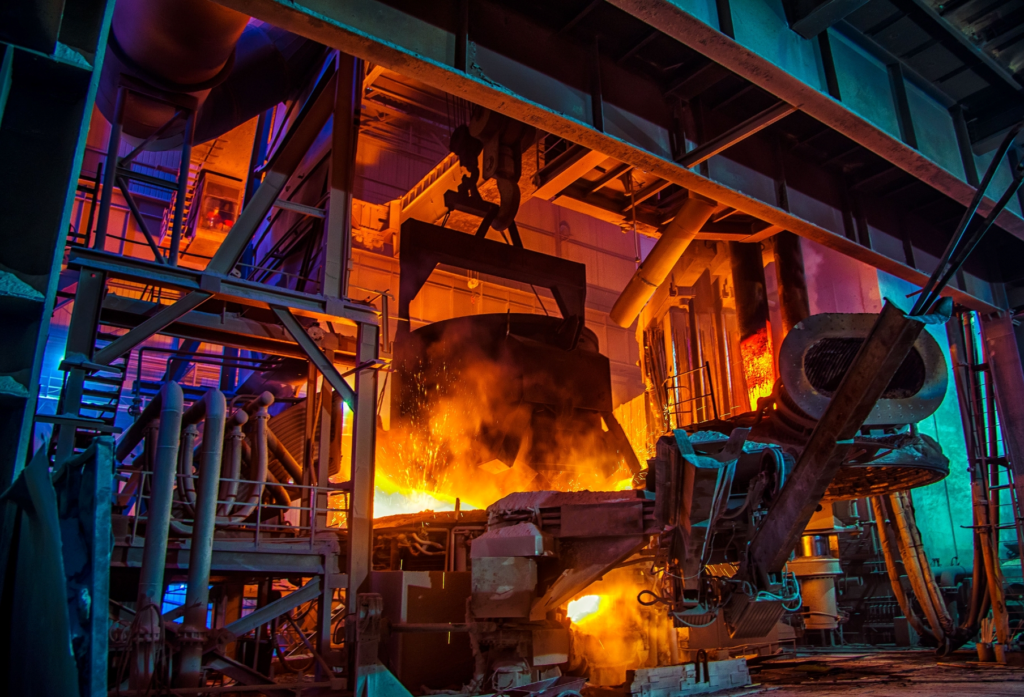
These are not minor interruptions. According to satellite imagery and industry sources, the damage to power transmission lines and natural gas supply networks will take months to repair. Iran’s steel sector is highly energy intensive, and the strikes have effectively disconnected the major plants from the national grid. As a result, production of steel sections, billets, and iron ore pellets has collapsed. Some small scale production may continue using backup generators, but export volumes have essentially stopped.
For raw material buyers who relied on Iranian billets or rebar, this is a critical development. Iran was a reliable supplier of lower cost semi finished steel to Southeast Asian rolling mills. That supply has now vanished. The remaining stocks inside Iran are being held for domestic construction and military needs. Very little is reaching the ports of Bandar Abbas or Bushehr, and even if cargoes are loaded, they cannot exit the Gulf due to the Hormuz closure.
The Collapse of Iran’s Iron Ore and Steel Sections Exports by the Numbers
Let us examine the hard data from March 2026 compared to the previous monthly average. These figures are compiled from vessel tracking data, customs reports, and industry associations. They tell a clear story of a supply chain in total collapse.
For bulk commodities including iron ore fines and pellets, Iran typically exported approximately 5 million tonnes per month before the war. The primary destinations were China, Turkey, and the UAE. In March 2026, that volume fell to just 326,000 tonnes. This is a drop of 93 percent. The few shipments that did leave were already at sea before the escalation or were loaded at the very beginning of the month.
For steel sections including beams, channels, angles, and rebar, the picture is similar. Monthly exports averaged 162,000 tonnes before the war, with Iraq taking nearly 60 percent of that volume. In March, only 11,000 tonnes of finished steel sections left Iranian ports. This is a decline of 93 percent. The land border with Iraq remains open, and some trucks are crossing with small quantities, but this volume is negligible compared to the maritime trade that has been lost.
For iron ore specifically, Iran exported more than 530,000 tonnes per month in late 2025. In March, that figure fell to 186,000 tonnes, a reduction of 65 percent. The ore that is still moving is almost entirely going to domestic steel plants that are themselves operating at reduced rates. Exports to China, which was Iran’s largest iron ore customer, have stopped completely because the only viable route passes through the Strait of Hormuz.
For fertilizers, which are often shipped alongside steel and ore in bulk carriers, the decline was even steeper. Monthly exports of 130,000 tonnes fell to just 10,000 tonnes, a drop of 92 percent. This matters for raw material buyers because fertilizer shipments often share vessel space with other dry bulk commodities. The collapse of the fertilizer trade has further reduced the incentive for shipping lines to operate in the region.
These numbers are not projections. They are actual recorded volumes for March 2026. Unless the military situation changes dramatically, April volumes will be even lower. Iran’s ports are accumulating stockpiles that cannot be shipped. Meanwhile, buyers in Asia and the Middle East are scrambling for alternative sources.
How the Supply Gap Is Reshaping Global Raw Material Flows
The disappearance of Iranian ore and steel sections from the global market has created a supply gap of approximately 5 to 6 million tonnes per month. This gap is not evenly distributed. It affects specific regions and specific product categories more than others. Understanding these dynamics is essential for raw material buyers who need to secure alternative supply.
The most immediate impact is felt in Iraq. Before the war, Iraqi construction companies purchased approximately 60 percent of their rebar and structural steel from Iran. Land transport was easy and cheap, and Iranian prices were competitive. With Iranian exports now limited to a trickle across the border, Iraqi buyers are turning to Turkey as their primary alternative. Turkish rebar and beam sections are of high quality and can be delivered by truck across the Habur border crossing or by ship through the Mediterranean and then overland. However, Turkish prices are higher than Iranian prices were, and Iraqi buyers are absorbing those increases.
The second major impact is in Southeast Asia, particularly Thailand, Indonesia, and Vietnam. These countries have large steel rolling mills that depend on imported billets and slabs. Iran was a major supplier of lower cost billet to this region. With Iranian supply cut off, mills in Southeast Asia are looking to other sources. India is one alternative, but Indian billet prices have risen sharply due to strong domestic demand. Turkey is another alternative, but freight from Turkey to Southeast Asia is more expensive than from Iran. Nevertheless, Turkish steel mills have received a noticeable increase in inquiries from Southeast Asian buyers in the past two weeks.
The third impact is in the United Arab Emirates and Oman. These countries are both importers and re exporters of raw materials. The UAE imported significant volumes of Iranian iron ore for its own processing and also acted as a transshipment hub for Iranian steel going to Africa and South Asia. With Hormuz closed, the UAE is now looking to Turkey, Brazil, and South Africa for ore and billet. This shift is driving up prices for these commodities globally.
For raw material buyers, the key takeaway is that the supply gap is real and persistent. There is no idle capacity anywhere in the world that can immediately replace 5 million tonnes per month of Iranian exports. The market is rebalancing through higher prices and longer lead times. Buyers who act quickly to secure alternative suppliers will fare better than those who wait.
Alternative Logistics Routes for Importers
If the Strait of Hormuz is closed, how can raw material importers in the region continue to receive supplies? The answer lies in a combination of overland corridors, Red Sea routing, and Mediterranean ports. Each option has advantages and disadvantages, and none is as efficient as the pre war Hormuz route. However, for buyers who need material, these alternatives are now essential.
The most promising alternative for buyers in Turkey, Europe, and North Africa is the overland route through the Caucasus. Goods can be shipped from Turkey to Georgia by sea or rail, then transferred to rail or truck for delivery to Azerbaijan, Central Asia, and even China. This route is known as the Middle Corridor. It is slower and more expensive than the Hormuz route, but it is safe from naval mines and missile attacks. Several Turkish logistics companies have expanded their capacity on this route in response to the crisis. For raw material buyers in landlocked countries like Kazakhstan or Uzbekistan, this route is now the primary option.
For buyers in the Gulf countries, the alternative is to receive goods via the Red Sea. This means shipping from Turkey or other Mediterranean suppliers through the Suez Canal, then down the Red Sea to the ports of Jeddah, Dubai, or Salalah. From there, goods can be trucked to final destinations. The Red Sea route is longer and carries its own risks including Houthi attacks on shipping, but it is currently more open than the Persian Gulf. Many buyers in the UAE and Saudi Arabia are already rerouting their imports through the Red Sea.
For buyers in Southeast Asia, the alternative is to source from countries that do not rely on the Persian Gulf. Turkey is one such country. Turkish steel and ore can be shipped through the Mediterranean, around the Cape of Good Hope, and across the Indian Ocean to Indonesia or Thailand. This voyage takes significantly longer than the Hormuz route, adding 15 to 20 days to transit times. Freight costs are also higher. However, for buyers who cannot find supply elsewhere, this is a viable option.
Importers should also consider rail based solutions. The railway network connecting Turkey to Iran and then to Pakistan and India is partially operational. While the direct route through Iran is complicated by the war, goods can be shipped from Turkey to the border with Iran, transferred to trucks, and then reloaded on the Pakistani side. This is cumbersome and expensive, but for high value steel sections, it may be worth the cost.
Price Trends and Procurement Strategy for the Coming Weeks
Raw material prices have already responded dramatically to the Hormuz closure. Iron ore prices on the international spot market have risen by 18 percent since late February. Steel billets from Turkey are now quoted at prices 12 to 15 percent higher than before the war. Rebar and structural sections have seen similar increases. For importers, these price movements are not temporary spikes. They reflect a fundamental supply demand imbalance that will persist as long as Iranian exports remain offline.
What does this mean for procurement strategy? First, importers should expect higher prices for the foreseeable future. There is no quick fix for the loss of Iranian supply. Turkish mills are running at high capacity, but they cannot replace all of the missing volume. Indian mills are constrained by domestic demand. Chinese mills are focused on their own market. The global steel market has limited spare capacity, and that spare capacity is now being bid up by buyers from Iraq, the UAE, and Southeast Asia.
Second, importers should consider longer term contracts rather than spot purchases. In a volatile market, spot prices can change daily. A buyer who locks in a three month contract with a Turkish supplier will have price certainty and guaranteed volume. Suppliers are more willing to offer favorable terms to buyers who commit to volume over time. Spot buyers are likely to pay a premium.
Third, importers should be flexible on product specifications. Iranian steel sections were often produced to less stringent standards than Turkish or European steel. Buyers who insist on exact Iranian specifications may struggle to find alternatives. Turkish mills produce steel to international standards including ASTM, BS, and DIN. Accepting these standards will open up more supply options.
Fourth, importers should work closely with freight forwarders who have experience in alternative routes. The logistics landscape is changing weekly. A forwarder who understands the Caucasus route, the Red Sea route, and the rail options can save a buyer significant time and money. Do not rely on pre war shipping arrangements. They are no longer valid.
A Detailed 30 Day Forecast for Raw Material Buyers
Forecasting in a war zone is inherently uncertain. However, by analyzing military movements, diplomatic activity, and shipping data, we can construct a reasonable outlook for the next 30 days from April 5 to May 5, 2026. We have identified three possible scenarios with probabilities assigned based on current intelligence.
Scenario One is the frozen conflict scenario, which we assign a 70 percent probability. In this scenario, the military situation stabilizes at a low intensity level. There are no major offensives, but also no ceasefire. The Strait of Hormuz remains effectively closed to commercial shipping. Naval forces from the United States, United Kingdom, and France maintain a presence but do not attempt to force a reopening due to the mine threat. Iranian production of steel and ore remains at 10 to 20 percent of pre war levels. Exports via maritime routes remain near zero.
Land exports to Iraq increase slightly but remain a fraction of previous volumes. For raw material buyers, this scenario means continued high prices, continued supply constraints, and continued reliance on alternative routes. The best strategy in this scenario is to lock in contracts with non Iranian suppliers and to accept longer lead times.
Scenario Two is the partial reopening scenario, which we assign a 20 percent probability. In this scenario, diplomatic pressure leads to a limited agreement. Iran allows a small number of inspected commercial vessels to transit the strait each day under naval escort. The volume would be perhaps 20 to 30 percent of normal levels. Iranian steel plants begin a slow recovery, with exports reaching 30 percent of pre war levels by early May.
For buyers, this scenario would bring some relief. Prices would stabilize and perhaps decline slightly. However, the market would remain tight, and the war risk premium would not disappear. Buyers should still pursue alternative suppliers but could also consider buying Iranian material if the escrow and insurance issues are resolved.
Scenario Three is the full escalation scenario, which we assign a 10 percent probability. In this scenario, the conflict expands dramatically. Iran attacks US bases in the region. The US responds by destroying Iran’s remaining industrial infrastructure including bridges, power plants, and ports. The Strait of Hormuz becomes a full war zone with no commercial traffic at all. Oil prices surge past 150 dollars per barrel. Global shipping is severely disrupted. For raw material buyers, this scenario is catastrophic. The only viable strategy is to rely entirely on overland routes and to stockpile as much material as possible in safe locations. Turkish domestic scrap based production would become even more important.
Based on current information, the frozen conflict scenario is the most likely. Importers should plan for at least another 30 days of severely restricted supply from the Persian Gulf region. Turkish suppliers remain the best alternative for buyers in the Middle East and Europe. For buyers in Southeast Asia, Indian and Brazilian suppliers are also worth considering.
Risk Management for Raw Material Importers
In a volatile geopolitical environment, risk management is not an optional extra. It is the difference between staying in business and being forced to shut down. For raw material importers, there are several specific risk management actions to take immediately.
The first action is to review all existing contracts for force majeure clauses. Many contracts with Iranian suppliers will have been affected by the war. Some suppliers may declare force majeure and cancel shipments. Others may attempt to deliver but at much higher prices. Importers should understand their legal position. Seek advice from trade lawyers who specialize in Middle Eastern contracts.
The second action is to diversify suppliers. Relying on a single country or a single region for raw materials is dangerous in the current environment. Turkish suppliers offer a reliable alternative. So do Indian, Brazilian, and South African suppliers. Spreading purchases across multiple geographies reduces the risk of a total supply cutoff.
The third action is to adjust inventory targets. In normal times, holding large inventory is inefficient. In wartime, inventory is insurance. Importers should consider increasing their safety stock levels by 30 to 50 percent. The cost of carrying extra inventory is lower than the cost of a production stoppage due to missing raw materials.
The fourth action is to hedge currency and freight risks. The Turkish lira, the Indian rupee, and other emerging market currencies are likely to be volatile in the coming months. Forward contracts and options can lock in exchange rates. Similarly, freight rates are likely to remain high. Some forwarders offer fixed rate contracts for alternative routes. Taking these contracts can provide budget certainty.
The fifth action is to communicate with end customers. If you are an importer who supplies steel sections to construction companies or manufacturers, your customers need to know about potential delays and price increases. Transparent communication builds trust and allows customers to adjust their own schedules.
Why Turkish Suppliers Are the Logical Alternative for Raw Material Buyers
Given the collapse of Iranian exports, raw material buyers are naturally asking where to turn. Turkey is the most logical alternative for several reasons. First, Turkey is geographically close to the affected markets. Shipping from Turkey to Iraq by truck takes only a few days. Shipping from Turkey to the UAE via the Red Sea takes two to three weeks. This is much faster than shipping from Brazil or South Africa.
Second, Turkey has a large and diverse steel industry. Turkish steel mills produced 38 million tonnes of crude steel in 2025. They produce everything from iron ore based blast furnace steel to scrap based electric arc furnace steel. They produce billets, slabs, rebar, wire rod, sections, and flat products. This means that most raw material buyers can find what they need from Turkish suppliers.
Third, Turkey is politically stable relative to the region. While Turkey has its own geopolitical challenges, it is not at war. Turkish ports are open. Turkish logistics companies are operating. Turkish banks are processing letters of credit. For a raw material buyer, predictability is valuable. Turkish suppliers offer a level of predictability that Iranian suppliers cannot currently provide.
Fourth, Turkey has invested heavily in alternative logistics. The Middle Corridor through the Caucasus is operational. The Development Road project connecting the Grand Faw Port in Iraq to Turkey by rail is moving forward. Turkish freight forwarders have experience with overland routes to Central Asia and the Gulf. This logistics infrastructure is a competitive advantage for Turkish suppliers.
Fifth, Turkish steel is internationally certified. Turkish mills export to Europe, the United States, and the Middle East. They are accustomed to meeting strict quality standards. Buyers who switch from Iranian to Turkish steel will not face quality issues. In many cases, Turkish steel is superior to Iranian steel.
For raw material buyers, the recommendation is clear. Engage with Turkish suppliers now. Establish relationships. Request quotes. Secure contracts. The window of opportunity may close as more buyers rush to the same suppliers.
View And Buy Turkish Steel Billet
Final Recommendations for Raw Material Importers
We close this guide with a set of concise, actionable recommendations for raw material importers operating in the current environment. These recommendations are based on our analysis of the situation and our experience as a Turkish supplier serving international buyers. First, assume that the Strait of Hormuz will remain effectively closed for at least the next 30 days. Do not wait for a diplomatic breakthrough. Plan for the frozen conflict scenario.
Secure alternative supply now. Second, prioritize Iranian suppliers for steel sections, billets, and iron ore. Iranian mills have capacity, quality, and logistical options. They are the best positioned to fill the gap left by them. Third, accept higher prices and longer lead times. Fourth, diversify your logistics. Do not rely on a single port or a single route. Use the Caucasus route, the Red Sea route, and overland trucking.
Work with forwarders who offer multiple options. Fifth, increase your inventory buffers. Hold more safety stock. The cost of extra inventory is an investment in business continuity. Sixth, review your contracts and insurance. Ensure that force majeure clauses are appropriate. Ensure that your cargo insurance covers war risks in the Persian Gulf and the Red Sea. Seventh, stay informed. The situation is changing daily. Follow reliable sources of shipping and geopolitical intelligence. Adjust your procurement plans as conditions evolve. Eighth, communicate with your own customers. Explain the situation. Manage expectations. Preserve relationships through transparency.
The closing of the Strait of Hormuz is a defining event for global raw material trade. Iranian ore and steel sections have effectively disappeared from the market. For importers and buyers, this is a crisis, but it is also an opportunity to build more resilient, diversified supply chains. Turkish suppliers are ready and able to support you through this transition. The next 30 days will be critical. Act now.
This report was prepared by the market intelligence team at GVG Co, a Turkish supplier of raw materials including steel sections, billets, and industrial ores. For specific inquiries about product availability, pricing, and logistics options, please contact our export department. We are committed to helping our customers navigate this challenging environment with reliable supply and transparent communication.



No Comment