
The type of raw material significantly influences the technical approach, production costs, and quality of the final product in iron billet manufacturing. Serving as the foundation of the production chain, the choice of raw material be it iron ore, sponge iron, or scrap steel determines the technology and equipment required at various stages. Large integrated plants commonly use iron ore as their primary input, while sponge iron and scrap steel are more prevalent in smaller foundries or secondary steelmaking facilities. Iron ore, the most natural and widely used material for billet production, is sourced directly from mines. However, due to impurities like silica, phosphorus, and sulfur, it must undergo beneficiation processes to enhance its iron content. After crushing, sizing, and concentrating, the ore is transformed into pellets suitable for blast furnaces or direct reduction operations. While this approach involves higher initial investments and greater energy consumption, it allows for precise chemical control and yields a higher quality billet, particularly suited for construction and industrial grade steel applications. Sponge iron, or Direct Reduced Iron (DRI), serves as a crucial alternative to iron ore in modern steelmaking. Produced by directly reducing iron ore using natural gas, sponge iron forms porous metallic pellets. Its high purity and low impurity levels make it an ideal feedstock for electric arc furnaces, enabling the production of superior-quality billets. This method is especially favored in gas-abundant regions such as Iran, where it minimizes reliance on coke and reduces environmental pollution. Scrap steel is another widely used material, obtained from recycling obsolete steel products, industrial waste, and machining residues. Utilizing scrap offers notable environmental and economic benefits by conserving energy, curtailing mining activities, and lowering CO₂ emissions. However, its chemical composition is less predictable and may contain undesirable elements like copper or tin, which can impair billet quality if not managed properly. In certain facilities, raw materials are blended to optimize production efficiency. For instance, combining sponge iron with a proportion of scrap in an electric arc furnace strikes a balance between cost-effectiveness, material purity, and melting efficiency. This approach can lower energy consumption, improve molten steel quality, and enhance adaptability for producing diverse steel grades. The precise mixture is typically determined by factors like market conditions, resource availability, and required product specifications. Ultimately, selecting the appropriate raw material requires consideration of economic variables, energy resources, existing infrastructure, and desired product standards. While iron ore offers a more comprehensive and controllable production route with superior quality outcomes, it necessitates greater investment and operational expenses. Conversely, sponge iron and scrap provide quicker and more cost-efficient options but demand meticulous monitoring of composition and melting processes. The decision hinges on achieving an optimal balance between quality, cost efficiency, and environmental sustainability. Click here to view the steel billet.
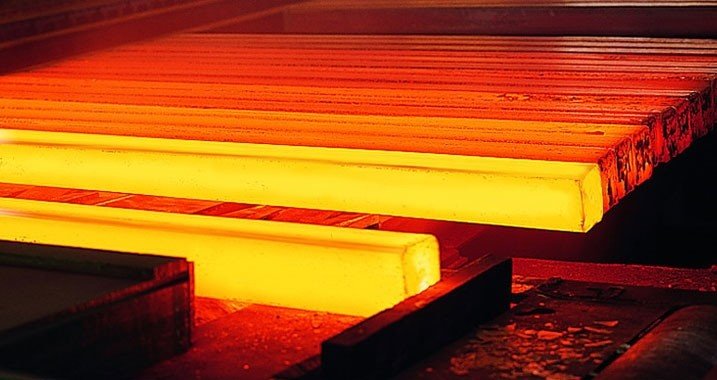
Main Stages of Production (in the Iron Ore Route)
The production of iron billets from iron ore is a multi-stage process, with each phase playing a vital role in ensuring the quality and efficiency of the final product. The journey begins with the extraction of iron ore from mines, which is then transported to processing plants. The raw ore typically contains impurities such as silica, alumina, sulfur, and phosphorus that must be removed. During this stage, the ore undergoes crushing, grinding, and beneficiation, employing physical and magnetic separation methods to yield a concentrated material rich in iron content. This concentrated ore serves as the foundation for the subsequent steps in billet production. The next phase involves preparing the iron concentrate for processing in direct reduction furnaces or blast furnaces, which is accomplished through pelletizing. In pelletizing, the concentrate is combined with additives like bentonite and limestone and formed into small spherical pellets. These pellets are then subjected to high-temperature treatment in induration furnaces to enhance their mechanical strength, ensuring they withstand extreme heat without disintegrating during reduction or melting. The quality of these pellets has a direct impact on furnace performance and overall production efficiency. Following pellet preparation, the process moves to the reduction stage, where oxygen is removed from the iron oxide to produce metallic iron. This reduction can be carried out using one of two methods: the blast furnace route or direct reduction. In the blast furnace process, layers of iron ore, coke, and limestone are stacked, and hot air is introduced to drive the reduction reactions. Alternatively, in the direct reduction method, natural gas acts as the reducing agent, reacting with the ore to produce sponge iron, which is later used in the melting stage. The melting stage refines pig iron from blast furnaces or sponge iron from direct reduction in steelmaking furnaces. Two widely used furnace types include the Basic Oxygen Furnace (BOF) and the Electric Arc Furnace (EAF). In BOF operations, pure oxygen is blown into molten iron, oxidizing and removing impurities like carbon, phosphorus, and silicon. In contrast, the EAF process uses electrical energy to melt raw materials while allowing for precise adjustment of the steel’s chemical composition through the addition of ferroalloys and fluxes to achieve specific grades. Molten steel is then cast into billets during the casting phase. While traditional methods once involved pouring molten steel into individual molds, modern continuous casting has become the standard. With this approach, molten steel is transferred from a tundish to a water-cooled copper mold, where it begins to solidify. As the mold and system move continuously, billets, slabs, or blooms take shape, enabling enhanced production efficiency, minimal waste, and improved surface quality compared to older techniques. In the final stage, the billets are cut to specified lengths before undergoing rigorous inspection and quality control. Various tests assess chemical composition, microstructural consistency, and the presence of any surface or internal flaws. Once verified for quality, the billets are stored and subsequently sent to rolling mills or other manufacturing units for further processing. The overall quality of these billets reflects stringent controls maintained throughout each preceding step from ore extraction to final casting.
Quality Control steel billet
Quality control in iron billet production is a pivotal stage in ensuring the mechanical properties, chemical composition, and overall formability of the final product. This process begins at the very first step, involving the selection and preparation of raw materials. The purity of iron ore or sponge iron is carefully examined, with particular attention to minimizing undesirable elements like phosphorus, sulfur, and silica. Excessive impurities can compromise the quality of steel, leading to issues such as brittleness or cracking in the billets. To address this, regular sampling and laboratory analysis are conducted from the outset to ensure consistency and maintain high quality standards. In the pelletizing and feed preparation stage, quality control focuses on the strength, particle size, and uniformity of pellets. These pellets must exhibit sufficient durability to withstand high temperatures without disintegrating inside reduction or blast furnaces. Disintegration could disrupt gas flow and diminish thermal efficiency. Additionally, parameters such as moisture content and the proportion of additives like bentonite are tightly controlled to enable efficient reduction. The quality of these semi-finished materials has a direct impact on the performance of subsequent production processes. During the reduction and melting phases, quality control shifts to monitoring temperature, the composition of reducing gases, the ratio of coke or gas consumption, and the chemical makeup of the produced iron. In electric arc furnaces or basic oxygen furnaces, factors such as melting temperature, reaction duration, and oxygen injection rates play critical roles in purging impurities. Periodic samples of molten steel are analyzed to optimize the levels of essential elements such as carbon, manganese, silicon, and phosphorus. Proper management of these variables ensures that the billets meet desired mechanical properties like strength and toughness. The casting process emphasizes thermal and physical regulation through stringent quality control measures. Maintaining the appropriate temperature of molten steel as it enters molds is crucial excessively high temperatures may cause blowholes or shrinkage cavities, while low temperatures risk incomplete solidification. In continuous casting operations, uniform flow speeds and cooling rates are essential to prevent surface cracking, phase segregation, or internal defects. Modern control systems equipped with temperature sensors and pressure gauges are used to monitor these parameters in real time. Once billets are solidified and shaped, inspection and testing procedures are conducted to validate their quality. Surface defects such as cracks, scales, cavities, or blowholes are identified through visual inspections. Spectrometric analysis is employed to verify that the chemical composition meets established standards. Additionally, advanced non-destructive testing techniques like ultrasonic or radiographic inspections are often utilized to detect internal flaws. These efforts ensure that billets adhere to rigorous quality requirements before moving to subsequent processes like rolling or forging. Ultimately, quality control in billet production is about more than detecting defects; its primary objective is to prevent deviations throughout the manufacturing process. Data collected during inspections and tests is relayed back to production units, enabling continuous adjustments and improvements to process parameters. This feedback loop ensures that each billet conforms to international quality standards and customer specifications. By maintaining this comprehensive oversight throughout the production chain, quality control serves as a cornerstone management system that upholds efficiency, safety, and product excellence. Click here to view the steel bloom.
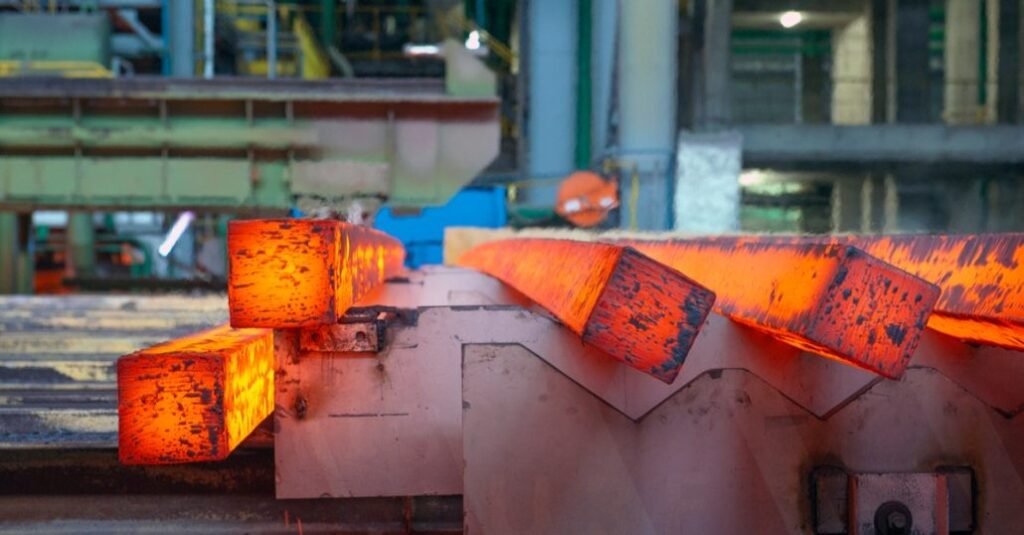
Economic Considerations in Iron Billet Production
Economic factors are central to the production of iron billets, shaping managerial decisions, influencing technology choices, and determining product pricing. This process is both energy and capital intensive, with profitability and sustainability closely tied to the costs of raw materials, energy, labor, and prevailing global steel market conditions. Any fluctuation in these areas can significantly impact operations, making comprehensive economic analysis crucial not only during the establishment of production units but also in optimizing efficiency and minimizing expenses over time. A primary economic driver is the cost of raw materials. Iron ore, pellets, sponge iron, and scrap come with varying price points, and the selection of materials often hinges on market dynamics and local resource availability. For instance, in regions rich in iron ore deposits, relying on raw ore tends to be more economical. Conversely, areas with cheap natural gas may find direct reduction and sponge iron production more cost-efficient. Global price shifts in materials like iron ore or scrap can swiftly alter production costs and affect overall profitability. Energy expenses represent another significant economic consideration. Large volumes of electricity, natural gas, or fossil fuels are consumed in billet production, particularly during reduction and melting processes. While electric arc furnaces incur the highest costs through electricity usage, blast furnace operations face considerable expenses from coke and gas consumption. In countries with limited energy subsidies or rising fuel prices, maintaining competitiveness becomes a challenge. As a result, improving energy efficiency and adopting advanced technologies with lower energy consumption are critical to achieving economic stability. Labor and equipment maintenance also carry notable cost implications. Skilled professionals in fields such as mechanical, metallurgical, electrical, and control engineering form an essential part of operations, and their wages can represent a substantial share of overall expenses. Furthermore, the maintenance of heavy machinery used for melting and casting is indispensable. Poor maintenance can lead to equipment failure, production delays, and significant financial setbacks. By prioritizing workforce training programs and implementing preventive maintenance strategies, producers can reduce long-term operational costs and avoid unnecessary disruptions. Market demand and global steel prices play an integral role in determining profitability. Billet prices fluctuate based on factors such as global supply-demand trends, construction activity, automotive production rates, and broader economic conditions. Economic downturns often lead to reduced demand and price decreases, posing challenges to producers. In response, some companies explore export opportunities or produce specialized steel grades to tap into niche markets. Adaptability in both production processes and marketing strategies is essential for overcoming such challenges and ensuring economic resilience. Beyond operational costs and revenues, broader financial considerations like investment analysis, return on investment, and risk management are vital. Launching a billet production facility requires significant capital for infrastructure, equipment, and technology investments returns on which are usually realized over the long term. External factors like trade policies, import/export tariffs, and currency fluctuations further shape the industry’s economic landscape. As such, adopting a forward-thinking approach to economic management that balances cost-effectiveness, product quality, and sustainability is critical for securing success and longevity in the iron billet production sector.
Environmental Considerations in Iron Billet Production
Environmental considerations in iron billet production are crucial due to the industry’s substantial energy demands and pollutant emissions, which significantly affect the environment. A primary concern is the release of carbon dioxide and other greenhouse gases, primarily driven by the use of fossil fuels in furnaces and melting processes. Reducing these emissions through low-carbon technologies, energy optimization, and alternative energy sources plays a vital role in mitigating environmental impacts. Another serious issue is the generation of dust and particulate matter during operations such as iron ore crushing, pelletizing, and melting. Without proper control measures, these particles can deteriorate air quality and pose health risks to both workers and nearby communities. Solutions like installing dust collection systems, filters, and cyclones, paired with continuous air quality monitoring, are highly effective in reducing such emissions. Water usage in the billet production process represents another critical environmental concern. It is extensively used for cooling equipment, molds, and casting systems, making its management essential. If untreated hot or contaminated water is discharged, it can pollute nearby water sources and harm local ecosystems. Introducing water recycling systems and robust wastewater treatment methods ensures minimal environmental impact. Waste and slag produced during the melting and casting stages also pose significant challenges. Improper disposal of materials such as slag, ash, and metal scrap risks soil and water contamination. Recycling slag for example, incorporating it into industries like cement production, road construction, or energy generation offers a sustainable solution to minimize waste related environmental damage. Additionally, noise and vibrations from heavy industrial activities can negatively affect both the surrounding environment and the quality of life of nearby residents. Deploying noise-reduction equipment, using insulation materials, and scheduling noisy operations during appropriate hours are key strategies to address this issue. These efforts not only enhance the environment but also improve workplace conditions and overall employee well being. Finally, compliance with environmental standards and the implementation of comprehensive management programs throughout the production chain are essential for sustainable progress. Strategic planning, consistent monitoring, and adopting cleaner technologies help reduce negative environmental effects while promoting social acceptance, regulatory adherence, and economic as well as environmental sustainability. Click here to view the steel slab.
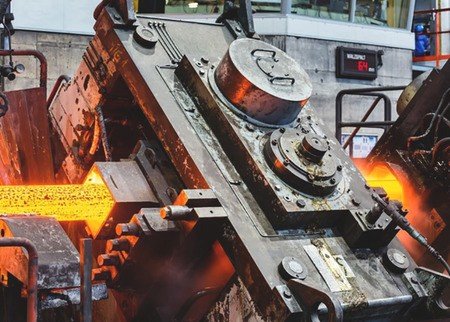
Technology and Equipment in Iron Billet Production
Technology and equipment are integral to the production of iron billets, directly influencing product quality, energy efficiency, and operational costs. The process begins with raw material preparation, relying on crushers, grinders, and beneficiation systems. These machines must handle significant volumes of iron ore while delivering a uniform concentrate with the necessary iron content to ensure high-quality semi-finished products. Implementing advanced technologies at this stage minimizes waste and enhances overall efficiency. During the pelletizing phase, equipment such as mixers, pelletizers, and induration furnaces plays an essential role. This machinery is designed to produce pellets with sufficient mechanical strength to withstand the reduction process or application in blast furnaces. Automation systems regulate temperature and baking time with precision. By adopting modern technologies, this stage ensures uniformity in pellet production, reduces energy use, and supports the simultaneous manufacturing of various grades of iron. In the reduction and melting phase, key equipment includes blast furnaces, direct reduction furnaces, electric arc furnaces, and basic oxygen converters. Each type offers unique technological features that affect energy efficiency, steel quality, and operational performance. For instance, electric arc furnaces utilize electrical energy and can process a mix of sponge iron and scrap, offering high flexibility for producing diverse billets. Conversely, blast furnaces are ideal for large-scale steel output using iron ore and coke. Continuous casting systems are fundamental in transforming molten steel into billets, slabs, or blooms. Equipment like tundishes, water-cooled copper molds, pulling mechanisms, and cooling systems ensures precision and consistency. Modern casting technologies enable the production of uniform billets with high surface quality while significantly reducing waste. Automation tools managing temperature, pressure, and molten steel flow ensure meticulous control throughout the procedure. Auxiliary systems, including dust collectors, filtration units, water treatment systems, and internal transportation mechanisms, are equally critical. These not only enhance product quality but also contribute to energy efficiency and reduce environmental impacts. Advanced solutions in these areas improve safety, limit unexpected downtime, and create better working environments for employees. In conclusion, the integration of advanced technology and well-suited equipment is key to optimizing plant performance. By selecting machinery with appropriate capacity and quality, incorporating automation and real-time monitoring, and employing environmentally friendly technologies, production stages can operate more efficiently. This ensures superior-quality iron billets while lowering operating costs, energy consumption, and ecological impact. Ultimately, these advantages bolster the plant’s competitiveness in both local and global markets.
Final Analysis of Iron Billet Production
The detailed assessment of the iron billet production process delivers an in-depth summary of all production stages while examining the factors influencing quality, cost-efficiency, and sustainability. The evaluation begins with the analysis of raw material composition and quality, where selecting the appropriate input whether iron ore, sponge iron, or scrap significantly affects billet quality, energy usage, and overall costs. This stage must also involve reviewing resource availability and market pricing to support informed economic and strategic planning for the facility. The subsequent steps focus on evaluating production technologies and processes. Factors such as the performance of furnaces, casting systems, preparatory machinery, and monitoring tools play a crucial role in determining operational efficiency and end-product quality. Advanced technologies and automation can minimize waste and enable precise control over the billets’ chemical and mechanical properties, enhancing production outcomes. Quality control is pivotal throughout every phase from raw material handling to final testing of billets. Comprehensive monitoring systems and quality assurance laboratories are essential for detecting defects and refining processes to guarantee that finished products meet required standards. Effective quality management not only enhances the billets’ reliability but also minimizes costs related to rework and material wastage. Economic factors form another significant aspect of the analysis. These include evaluating costs related to raw materials, energy, labor, equipment maintenance, and overall market demand. Conducting sensitivity analyses on global price fluctuations in steel and raw materials, along with risk assessments and return-on-investment forecasting, enables targeted and data-driven decision-making at the managerial level. Environmental considerations are equally critical in the analysis. Issues such as greenhouse gas emissions, water usage, waste management, dust control, noise, and vibration can influence both regulatory compliance and societal acceptance of operations. Integrating eco-friendly technologies, recycling systems, and robust monitoring mechanisms not only mitigates environmental impact but also helps optimize long-term costs. In conclusion, the analysis demonstrates that achieving excellence in iron billet production relies on balancing cutting-edge technology, stringent quality controls, cost-effectiveness, and environmental responsibility. A robust, holistic perspective empowers managers to make informed strategic choices, enhance productivity, and deliver competitively superior products to the market. This approach forms a cornerstone for ongoing improvements, risk mitigation, and a more sustainable economic and environmental performance for the plant. Click here to view the steel ingot.
No Comment