Bitumen EN 12591

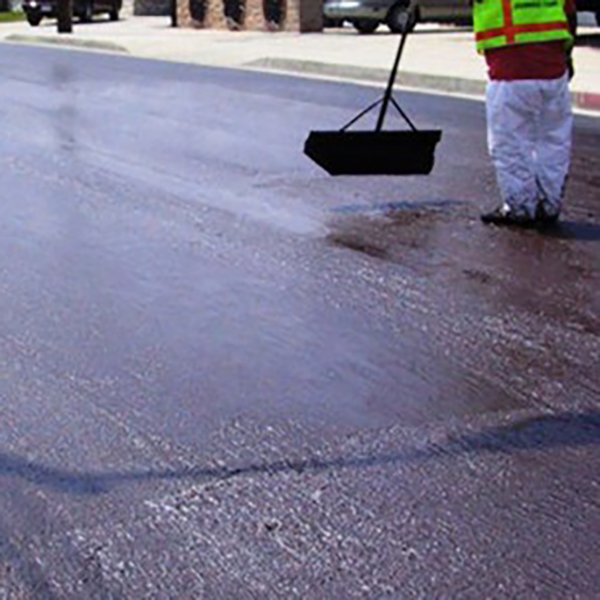
Bitumen EN 12591 is a premiumgrade paving material designed to meet stringent European standards for road construction. Produced from refined vacuum residue, it delivers dependable performance across diverse climates and traffic conditions. Available in penetration grades 35/50, 50/70, 70/100, 100/150, and 160/220, this bitumen caters to various temperature zones and infrastructure requirements, with lower grades indicating harder bitumen. Renowned for its strong adhesion, durability, and stability in asphalt mixtures, it features controlled viscosity, elevated softening and flash points, and reliable quality. EN 12591 bitumen finds extensive use in roads, highways, runways, asphalt concrete, and industrial applications like waterproofing and coating. It fully adheres to essential European standards including EN 1426, EN 1427, and EN 12592.

فئات

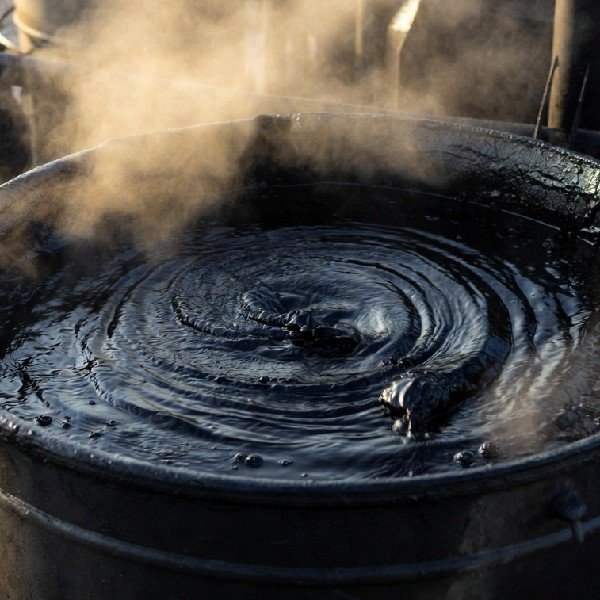
Bitumen EN 12591 is a premium paving-grade bitumen developed to meet the rigorous European Standard EN 12591, which sets strict criteria for the physical, chemical, and rheological properties required in modern road construction and asphalt production. This high-quality binder is produced using a refined process that utilizes carefully selected crude oils and vacuum residue feedstock, ensuring consistent purity, stability, and performance across all batches. This standardized bitumen is available in several penetration grades—35/50, 50/70, 70/100, 100/150, and 160/220 tailored to suit specific climatic conditions, pavement designs, and traffic levels. Penetration values, measured in tenths of a millimeter, indicate the bitumen’s hardness and resistance to deformation. Harder grades like 35/50 are highly resistant to rutting and ideal for hot climates or heavily trafficked highways, while softer grades such as 160/220 offer flexibility in cold environments, reducing the risk of cracking due to freeze–thaw cycles. With its distinctive dark, semi-solid, highly viscous hydrocarbon structure, Bitumen EN 12591 provides exceptional adhesion to mineral aggregates, significantly improving the durability, cohesion, and mechanical stability of asphalt layers. Its well-calibrated softening point, high flash point, and controlled viscosity make it highly compatible with both batch and continuous asphalt mixing plants, facilitating smooth pumping, uniform mixing, and efficient paving processes. Renowned for its physical resilience and chemical stability, this bitumen performs reliably under varying temperatures, oxidation, and intense traffic stresses. Its high solubility (typically exceeding 99%) and low impurity levels contribute to predictable behavior during heating and blending, minimizing residue buildup and operational challenges. EN 12591 bitumen is widely used in various applications within the construction industry, including:

– Highways and expressways

– Urban and rural roads

– Airport runways and taxiways

– Asphalt concrete and hot-mix asphalt production

Waterproofing of bridge decks

– Surface treatments and sealing applications

Its adaptability also extends to industrial applications such as waterproofing membranes, bituminous emulsions, polymer-modified bitumen, and specialized coatings. The chemically stable profile ensures reliability and compatibility for these uses. Acknowledged globally for its consistent quality and compliance with international standards, Bitumen EN 12591 is manufactured under robust quality assurance programs. It is tested against leading European regulations, such as EN 1426 (Penetration), EN 1427 (Softening Point), EN 12592 (Solubility), and EN 12593 (Fraass Breaking Point), among others. Its demonstrated reliability and adherence to global standards make it a top choice for regulatory bodies, private contractors, and large-scale infrastructure projects across Europe, Asia, Africa, and the Middle East.

Key Benefits

Outstanding Performance in Varied Conditions

Bitumen EN 12591 consistently delivers reliable results across diverse climate zones. Its standardized penetration grades enable engineers to select the optimal type for specific temperature ranges and traffic demands, ensuring durable pavement performance from arid deserts to frigid continental regions.

Exceptional Consistency and Purity

With precise refining processes and rigorous quality control, each batch ensures consistent penetration, viscosity, and softening point characteristics. Thanks to a solubility rate exceeding 99%, this bitumen guarantees high purity, superior bonding capability, and long-term reliability.

Enhanced Durability and Resistance to Aging

EN 12591 bitumen retains its mechanical integrity even under prolonged exposure to oxygen and UV rays. Hardening tests at 163°C demonstrate stable penetration levels (up to 53% retention for grade 35/50) with minimal mass changes, effectively minimizing cracking and brittleness over time.

Impressive Adhesion and Water Resistance

Its hydrocarbon composition delivers outstanding aggregate adhesion and excellent water-repellent properties. This significantly reduces stripping, pothole development, and moisture-related damage, making it particularly suited for areas with heavy rainfall or high humidity.

Full Compliance with European Standards

Produced in strict adherence to EN 12591 requirements, this bitumen is widely recognized throughout European and international markets. Its compliance streamlines certification, logistics, and export, ensuring seamless market acceptance.

Highly Versatile Industrial Applications

In addition to road construction, EN 12591 bitumen serves as a critical component in bituminous emulsions, polymer-modified binders, roofing materials, and various industrial applications. Its well-balanced viscosity and ductility offer efficient processing and dependable performance across multiple sectors.

Packaging

Bitumen EN 12591 is available in various packaging options tailored to project size and customer needs:

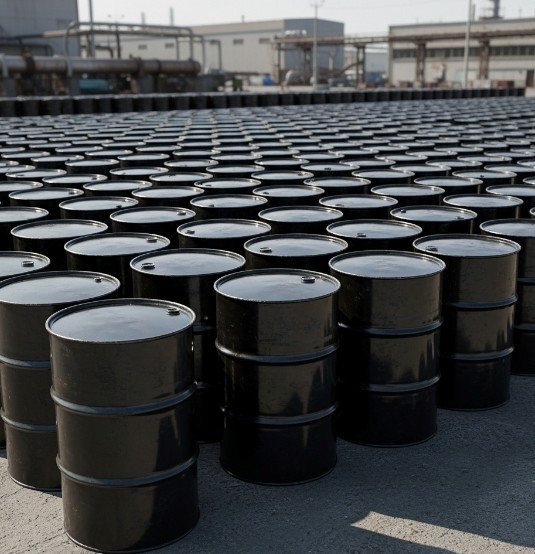
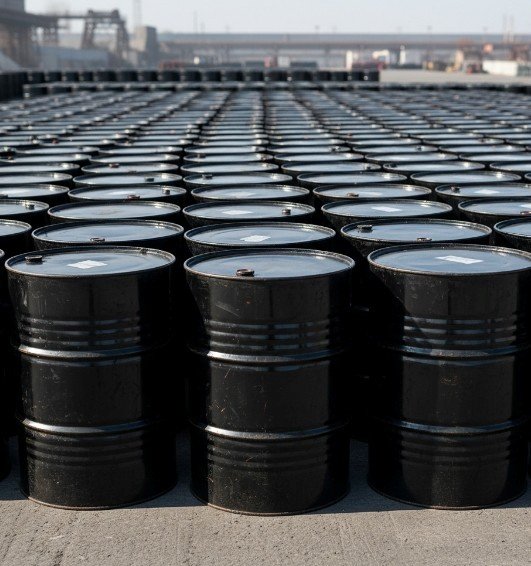
  1. New Steel Drums Bitumen is supplied in steel drums with a net weight of 180–200 kg, making them suitable for export via container or truck. These drums are designed to resist corrosion and leakage, ensuring safe and reliable storage during transport.
  2. Bulk Delivery For large-scale infrastructure projects, bitumen is commonly transported in bulk using insulated tankers or bitutainers. This method preserves the required temperature, prevents contamination, and offers cost-efficiency.
  3. Poly Bags and Jumbo Bags For clients requiring smaller quantities, bitumen can be packed in poly bags or jumbo bags (1 MT). These options are practical for easier handling, short-term storage, and small-scale applications. Storage Guidelines: Bitumen should be stored in dry, covered areas, shielded from direct sunlight. The ideal storage temperature is between 150–170°C, while the recommended application temperature ranges from 160–180°C. Ensure proper ventilation and adhere to fire safety protocols to prevent overheating and the buildup of vapors.

Standards and Certifications

Standards and Certifications

Bitumen EN 12591 is produced under stringent quality control systems and adheres to the requirements of prominent international certifications and standards, ensuring reliability in safety, performance, and environmental sustainability.

Applicable European Standards

  • EN 12591: European Standard for Paving Grade Bitumen
  • EN 1426 / EN 1427: Methods for measuring penetration and softening point
  • EN 12592: Bitumen solubility assessment
  • EN ISO 2592: Determination of flash and fire points
  • EN 12593: Fraass Breaking Point Analysis

Quality and Environmental Management

  • ISO 9001 for Quality Management
  • ISO 14001 for Environmental Management
  • ISO 45001 for Occupational Health and Safety

Independent quality inspections by reputable agencies such as SGS, Bureau Veritas, and Intertek certify that each shipment conforms to buyer specifications. This robust compliance guarantees the suitability of EN 12591 bitumen for export to regions including Europe, Africa, Asia, and the Middle East.

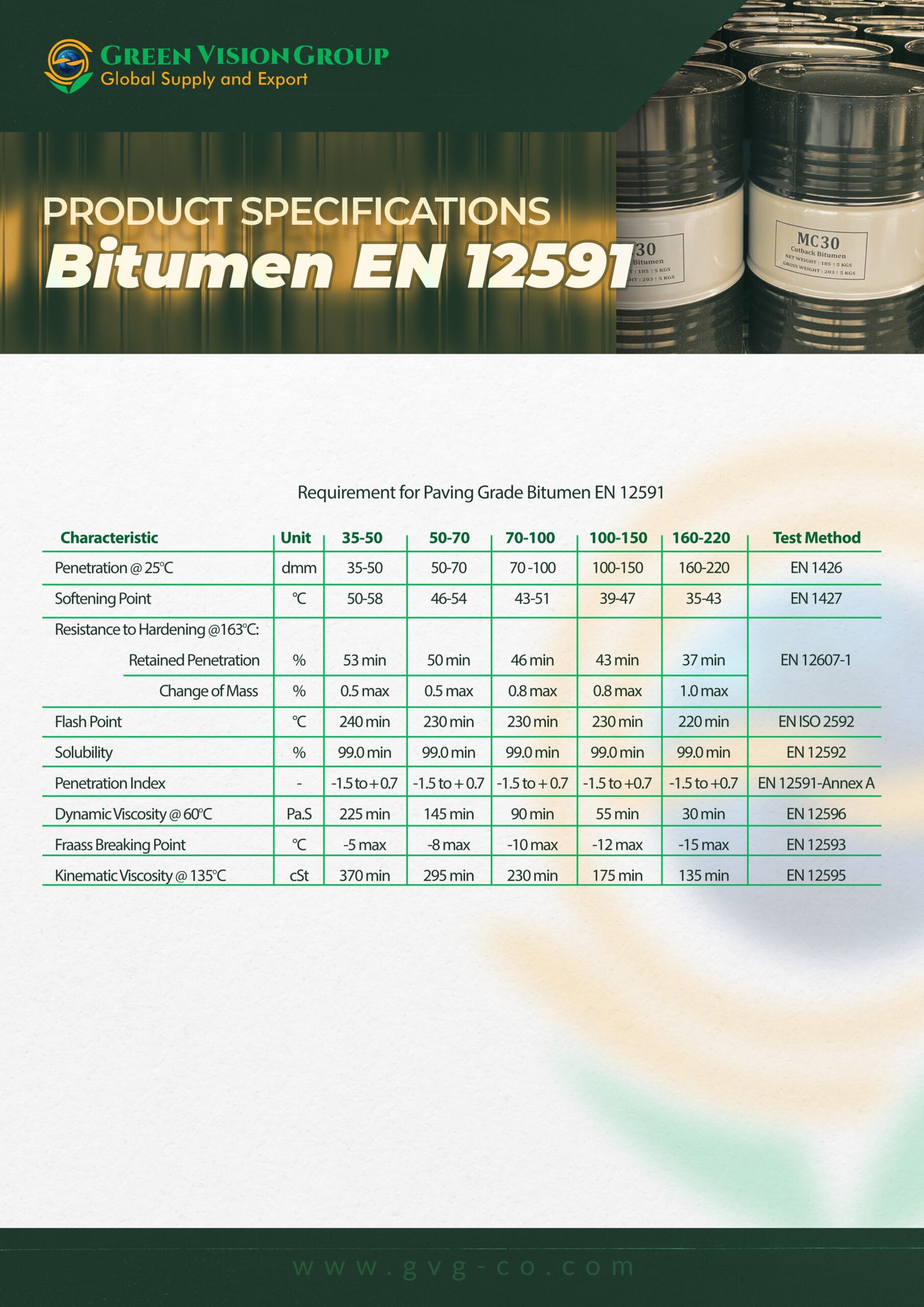
Technical Specifications

Property Specification Notes / Range
Penetration at 25°C (dmm) 35 – 220 Based on grade: 35/50, 50/70, 70/100, 100/150, 160/220
Softening Point (°C) 35 – 58 Higher softening point for harder grades
Flash Point (°C) 220 – 240 (min) Ensures safety and low volatility
Solubility (%) ≥ 99.0 High purity, minimal impurities
Penetration Index -1.5 to +0.7 Indicates thermal sensitivity
Dynamic Viscosity at 60°C (Pa·s) 30 – 225 Grade dependent
Kinematic Viscosity at 135°C (cSt) 135 – 370 Ensures smooth pumping & mixing
Fraass Breaking Point (°C) -5 to -15 Provides flexibility in cold climates

Quality Contorol

EN 12591 bitumen analysis specifications table