
Direct Reduced Iron (DRI)

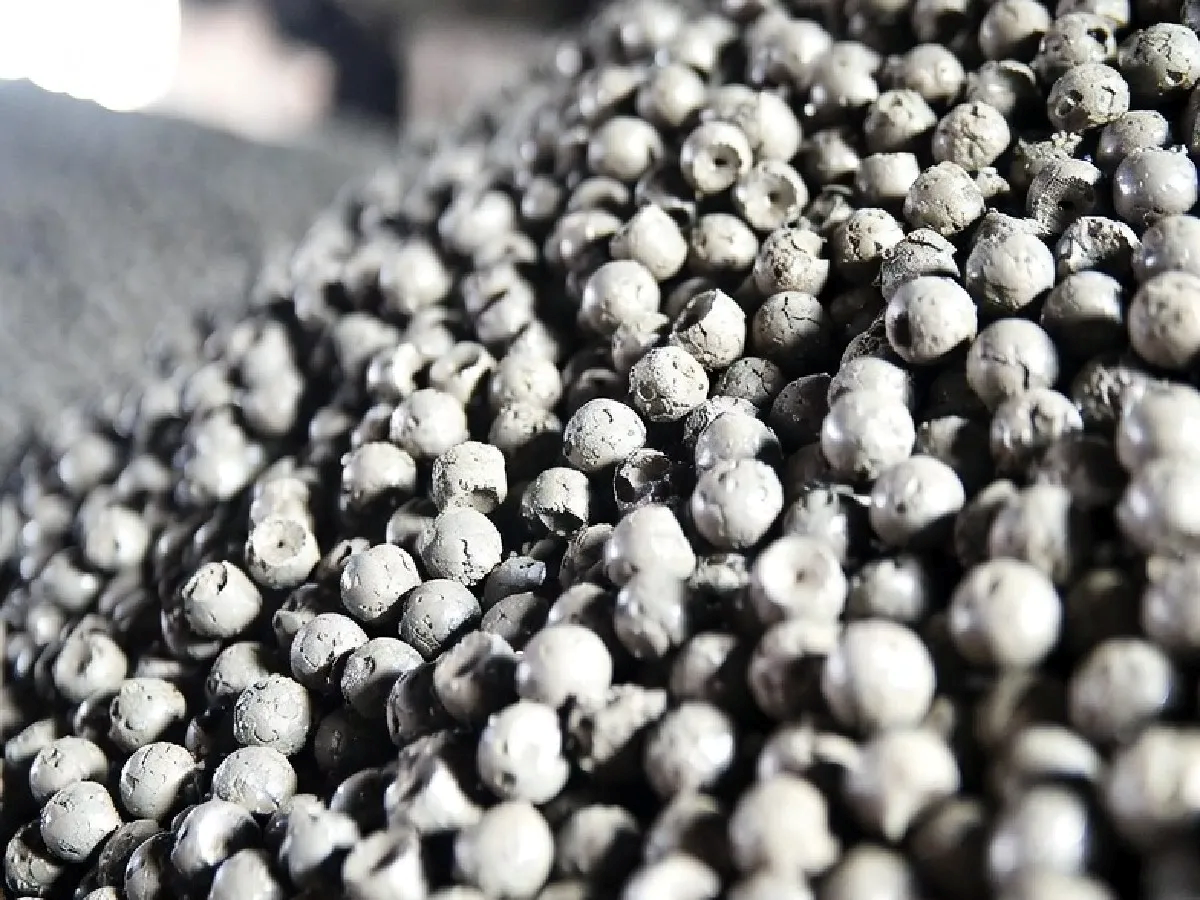
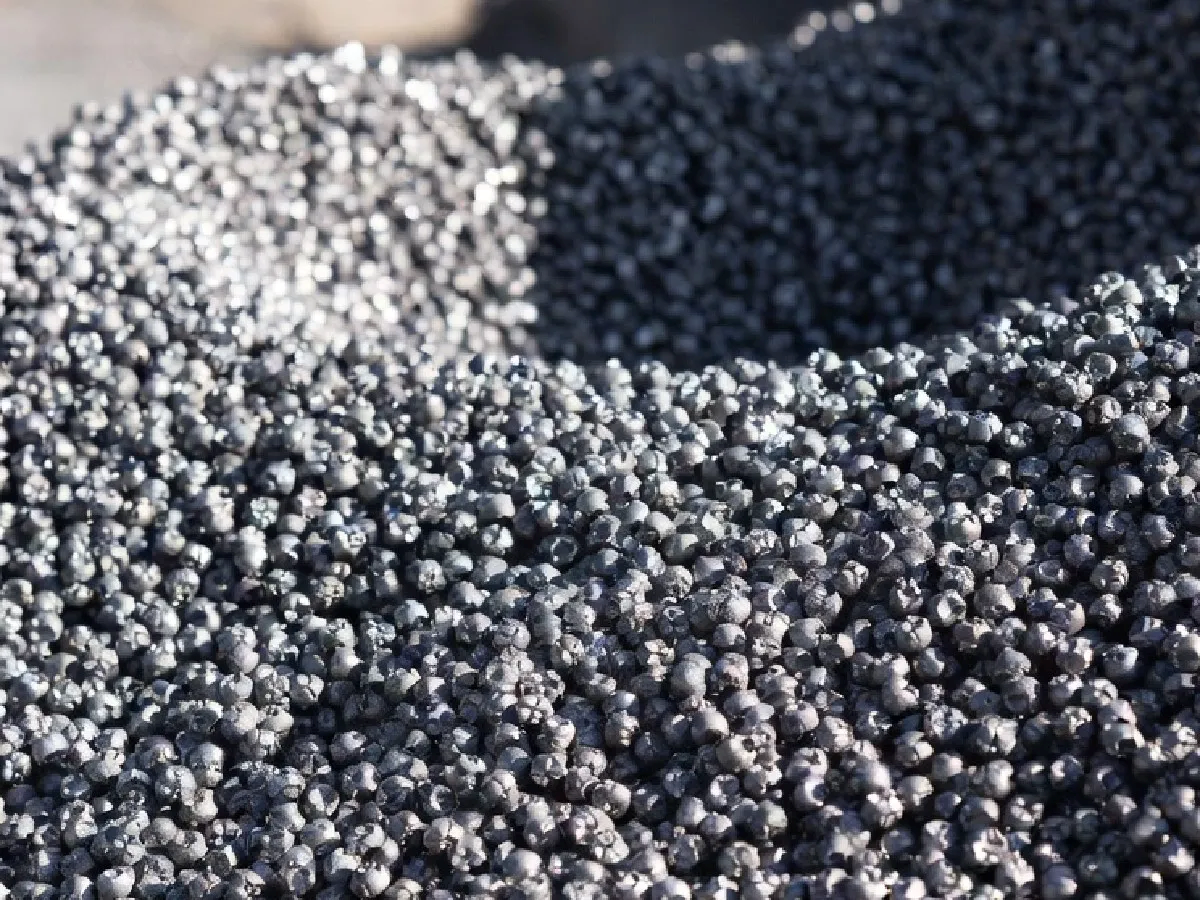
Direct Reduced Iron (DRI), also known as Sponge Iron, is a premium metallic material produced through the direct reduction of iron ore, either in lump or pellet form, without reaching a molten state. Unlike the traditional blast furnace method, which melts iron ore to yield liquid pig iron, the direct reduction process eliminates oxygen from the ore while keeping it solid. This results in a porous, sponge-like texture, which is why it is commonly referred to as Sponge Iron.

Direct Reduced Iron (DRI), commonly known as Sponge Iron, is a premium metallic product made by removing oxygen from iron ore while keeping the material in a solid state. This process avoids melting the ore, which distinguishes it from traditional blast furnace methods that produce liquid pig iron. Instead, iron ore in the form of pellets or lumps is chemically reduced below its melting point, resulting in a porous and lightweight structure that gives rise to the name Sponge Iron. The high metallization and low impurity levels of Direct Reduced Iron (DRI) make it a valuable feedstock for modern steelmaking, particularly in electric arc furnaces.

There are two main industrial methods for producing Direct Reduced Iron (DRI): gas-based reduction and coal-based reduction. Gas-based processes, such as MIDREX and HYL, use natural gas that is reformed into a reducing gas rich in hydrogen and carbon monoxide. This gas is introduced into a vertical shaft furnace packed with iron ore pellets. As the gas flows upward through the bed of ore, it reacts with iron oxides, stripping away oxygen and producing highly metallized DRI with iron content typically exceeding 90 percent. This method is energy efficient, yields a cleaner product.

In contrast, coal-based DRI production uses non coking coal as the reductant. This approach is commonly implemented using a rotary kiln, where iron ore and coal are fed together into a long, rotating, inclined furnace heated to high temperatures. The carbon in the coal acts as the reducing agent, facilitating the removal of oxygen from the iron ore. While this method is more prevalent in areas with limited natural gas infrastructure, it generally results in lower metallization and higher levels of residual elements compared to gas-based DRI.

Direct Reduced Iron (DRI) is playing an increasingly vital role in the global transition toward sustainable steel production. As the steel industry seeks to reduce its carbon footprint, DRI produced using green hydrogen instead of fossil fuels is emerging as a key enabler of Green Steel. Unlike recycled scrap, which can carry accumulated tramp elements like copper, tin, or nickel through repeated recycling cycles, DRI provides a consistent and pure source of primary iron. This is especially important for manufacturers producing high quality steel grades where chemical consistency is critical.

From a practical standpoint, Direct Reduced Iron (DRI) offers excellent handling and operational characteristics. Its uniform size, high density, and predictable melting behavior make it easy to store, transport, and charge into furnaces. In electric arc furnace operations, DRI helps stabilize the melt chemistry, improve yield, reduce energy consumption, and minimize slag volume. These operational advantages translate into cost savings and greater process control for steelmakers.

Moreover, converting raw iron ore into Direct Reduced Iron (DRI) significantly enhances the economic value of the material. Instead of shipping low value oxide, producers deliver a high value metallic product that is ready for immediate use in steelmaking. This not only improves logistics but also supports more flexible and responsive production planning.

As environmental regulations tighten and market demand grows for low carbon materials, Direct Reduced Iron (DRI) stands out as both a technically sound and strategically forward looking solution. It bridges conventional ironmaking with the future of clean steel, offering immediate metallurgical benefits while paving the way for decarbonized production. For steel producers, traders, and industrial users, DRI represents a reliable, high performance, and sustainable raw material in today’s evolving steel landscape.
Key Benefits

The use of Direct Reduced Iron (DRI) in steel production delivers a range of metallurgical, operational, and economic benefits, making it a preferred choice for Electric Arc Furnaces (EAF) and Induction Furnaces (IF) globally. Enhanced Metallurgical Quality: One of the key advantages of DRI is its exceptional purity. Unlike ferrous scrap, which often contains undesirable and unpredictable tramp elements such as copper, zinc, tin, chromium, and nickel, DRI is made from virgin iron ore. These impurities in scrap can lead to surface defects or brittleness in the finished steel product and are difficult to eliminate during melting. DRI enables steel manufacturers to dilute these impurities in scrap charges effectively, facilitating the production of high-quality steel for critical applications like automotive sheets, deep-drawing grades, and seamless pipes. Reliable Chemical Composition: Scrap materials are inherently variable, with batches differing significantly in composition. In contrast, DRI is a manufactured material with predictable and consistent chemical properties. This reliability allows melt shop operators to optimize slag chemistry and streamline process control, ensuring stable outputs and yields. The uniformity reduces the need for frequent sampling and adjustments during production, enhancing operational efficiency. Energy Efficiency through Foaming Slag: In EAF operations, the carbon present in DRI reacts with oxygen to form carbon monoxide gas, which generates a foaming slag. This foaming slag is advantageous as it blankets the electric arc, protecting the furnace’s refractory lining from radiation damage while enhancing energy transfer from the arc to the molten steel. Consequently, energy usage decreases, electrode wear is minimized, and refractory longevity is improved. Stability in Supply Chain: The scrap market is notoriously unpredictable due to price volatility, seasonal availability, and inconsistent quality. DRI offers a solution by providing a stable and reliable source of high-quality iron units. Incorporating DRI into the raw material mix safeguards steel mills against fluctuations in local or global scrap markets, ensuring consistent input costs with uninterrupted supply of dependable raw material.

Applications

Direct Reduced Iron (DRI) serves as a highly adaptable feedstock across diverse steelmaking methods, playing a crucial role in contemporary metallurgy. Electric Arc Furnace (EAF) Steelmaking: DRI's primary use is within EAF operations. While EAFs traditionally melt scrap, modern high-performance versions often employ a charge mix comprising 20% to 100% DRI. The continuous feeding of DRI during operation enables "flat bath operation," allowing power to remain on throughout the process. This approach boosts productivity and shortens tap-to-tap times. DRI is vital for producing premium virgin steel grades with low nitrogen content and minimal residual elements essential for applications like tire cord steel, spring steel, and specialized alloy steels. Induction Furnace (IF) Steelmaking: Particularly common in regions like Asia, IFs utilize Sponge Iron as a key raw material. Although IFs lack the advanced refining ability of EAFs, Sponge Iron helps in balancing the batch composition and compensates for the limited availability of high-quality heavy scrap. This material is typically combined with cast iron or steel scrap to produce mild steel ingots or billets, which are often used for constructing reinforcement bars. Blast Furnace (BF) and Basic Oxygen Furnace (BOF): Though less frequent, DRI is sometimes used as a "coolant" or metallic charge in BOFs. Adding DRI to the converter aids in managing heat balance during production. In Blast Furnaces, incorporating DRI (in the form of Hot Briquetted Iron or Sponge Iron) can enhance productivity and lower coke consumption by reducing the energy required to melt metalized material compared to raw iron ore. Foundry Applications: Sponge Iron is also widely employed in iron and steel foundries due to its high purity. It is an ideal base material for producing ductile iron and gray iron castings, where strict control over trace elements is crucial to achieve desired mechanical properties for specific casting requirements.

Technical Specifications

Chemical Analysis

Element Value
Total Iron (T Fe) 87% ± 1
Metallic Iron (M Fe) 80% ± 1
Metallization 91 ± 1
Carbon (C) 1.7 Ave
Al₂O₃ 0.3 Ave
SiO₂ 3.2 Ave
Phosphorous (P) 0.050% Max
Sulphur (S) 0.01% Max
MgO 2.5 Ave
CaO 0.8 Ave

Physical Analysis

Element Value
Bulk Density (Tons/M³) 1.7
Size Under 5 mm at Loading Port 5% Max

Packing and Export

Exporting Direct Reduced Iron (DRI) demands precise logistical planning that extends well beyond conventional bulk cargo management practices. The unique chemical attributes of DRI, such as its expansive surface area and reactive nature when exposed to oxygen and moisture, necessitate strict compliance with international maritime safety protocols. A key focus of logistical strategies is mitigating re-oxidation, an exothermic reaction that can generate heat and, in extreme scenarios, release hydrogen gas.

Managing Re-oxidation: The Chemistry Behind Logistics The primary logistical challenge linked to Sponge Iron lies in its thermodynamic instability. Upon exposure to air and humidity, DRI oxidizes quickly, generating considerable heat. If water, including atmospheric humidity, permeates a bulk-loaded pile, localized temperature spikes or "hot spots" can occur. Worse still, contact between water and hot iron triggers a reaction that splits water molecules, liberating hydrogen gas ($H_2$). In a ship's confined hold, hydrogen buildup poses a serious explosion hazard. Export protocols consequently focus on eliminating the fire triangle's components: oxygen, heat, and fuel (iron).

 Maritime Classification Under IMSBC Code

 The International Maritime Solid Bulk Cargoes (IMSBC) Code classifies DRI according to its specific form:

- DRI (A): Hot-moulded briquettes with high density, reduced reactivity, and improved shipping safety.

 - DRI (B): Standard cold-moulded briquettes, pellets, or lumps often referred to as Sponge Iron. This falls under Group B cargo (chemically hazardous materials). The code stipulates moisture content below 0.3% during loading and a maximum cargo temperature of $65^circ$C.

 Bulk Shipment Protocols: The Inert Voyage For large-scale exports ranging from 10,000 to 50,000 MT, inert gas-driven transport is standard procedure. - Hold Preparation: Ship holds are thoroughly cleaned, dried, and sealed to ensure they are air-tight before loading. - Nitrogen Purging: After the hatches are secured, nitrogen gas is injected into the holds to reduce oxygen levels below 5% throughout transit. - Monitoring: Specialized sensors monitor levels of hydrogen, oxygen, and temperature daily. Should hydrogen be detected, ventilation procedures are implemented; however, holds are typically kept sealed and inert. - Avoidance of Water: Using water to regulate temperature is strictly forbidden, as it accelerates re-oxidation and hydrogen production. Temperature control relies exclusively on inert gases like nitrogen.

Containerized Shipments in Jumbo Bags For smaller shipments or inland destinations, Flexible Intermediate Bulk Containers (FIBC) provide an optimal solution for packaging DRI.

- Bag Specifications: UV-stabilized polypropylene (PP) bags with Safe Working Loads (SWL) of 1000 or 1500 kg and a Safety Factor (SF) of 5:1 are standard.

- Moisture Barriers: Each bag is equipped with a robust Low-Density Polyethylene (LDPE) liner that is either heat-sealed or secured tightly after filling to create an airtight barrier. This prevents moisture penetration during transit, even when containers experience condensation ("sweating").

 - Container Loading: A 20ft container typically accommodates about 20-25 MT of bags, organized for secure transport. Desiccant material such as silica gel is often installed inside container walls to absorb ambient moisture and prevent container rain during shipping.

 Efficient Port Handling and Storage DRI requires rapid movement through port facilities to avoid exposure and potential degradation. It should transition directly from the production site or a covered storage area to the vessel or container without prolonged stockpiling in open spaces. Minimizing "double handling" is critical to reduce the generation of fines (dust), which are significantly more reactive and hazardous than intact pellets or briquettes.