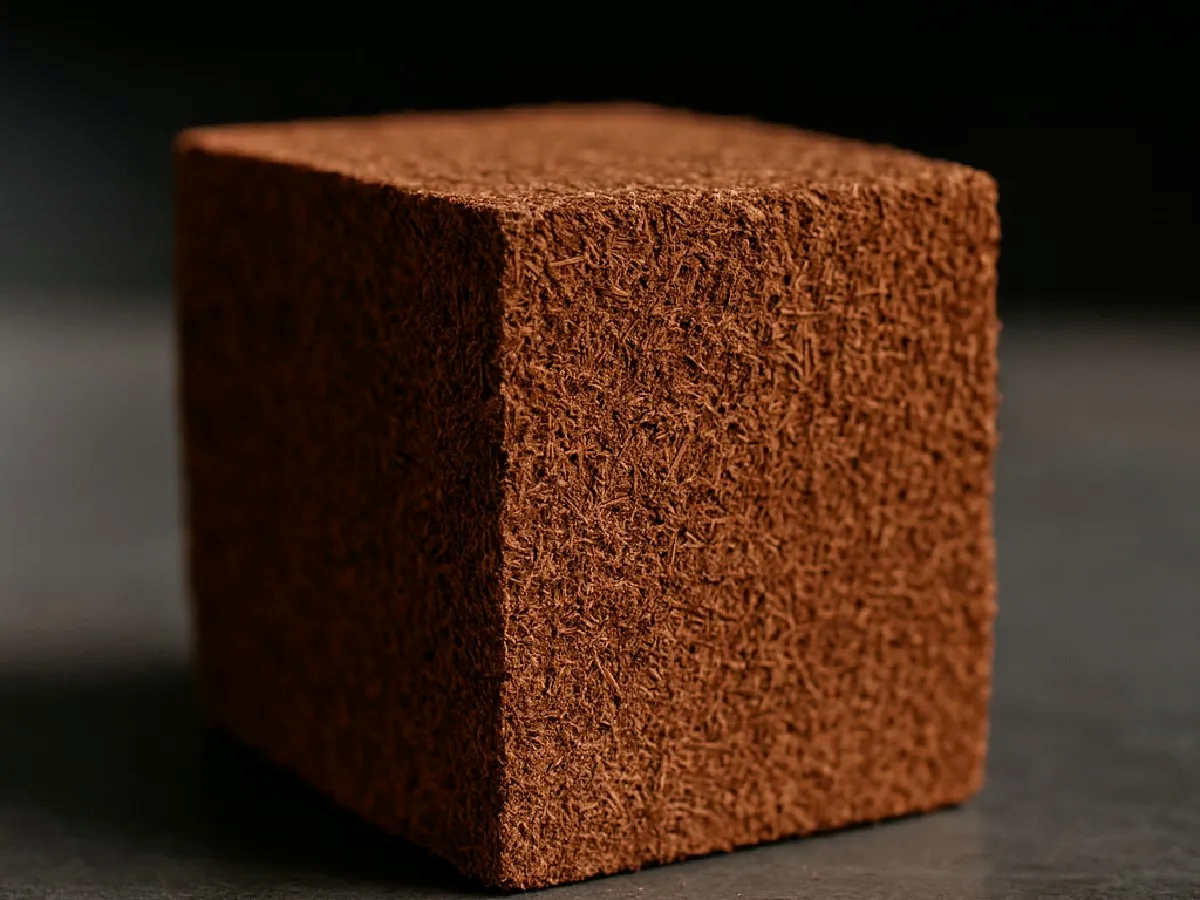
Styrene Butadiene Rubber 1712 (SBR)

 SBR 1712 is an oil-extended Styrene-Butadiene Rubber tailored to provide a balance of mechanical performance, exceptional processing stability, and cost efficiency for large-scale industrial applications. Renowned for its versatility, this grade is widely utilized in the tire, footwear, conveyor belt, and molded rubber industries, making it one of the most adaptable synthetic rubbers in the global market. Its composition features approximately 23.5% styrene content and is extended with 37.5 phr of aromatic or TDAE oil, which enhances elasticity, improves dynamic performance, and lowers compound viscosity during mixing.

فئات

Styrene Butadiene Rubber1712(SBR) is an oil extended Styrene-Butadiene Rubber engineered to deliver a well-balanced combination of mechanical performance, superior processing stability, and cost-effectiveness for large-scale industrial use. Known for its adaptability, this grade finds extensive application in industries such as tires, footwear, conveyor belts, and molded rubber products, establishing itself as one of the most versatile synthetic rubbers on the global market.

The material contains approximately 23.5% styrene and is extended with 37.5 phr of aromatic or TDAE oil. This specific formulation enhances elasticity, optimizes dynamic performance, and reduces compound viscosity during the mixing process, offering significant processing advantages.

Styrene Butadiene Rubber1712(SBR)’s appeal lies in its ability to combine functional performance with economic practicality. By incorporating oil extension, the overall polymer cost per kilogram decreases while improving filler dispersion, significantly simplifying the compounding process. The resulting rubber exhibits strong abrasion resistance and excellent aging durability when appropriately stabilized, ensuring reliable performance under diverse temperature conditions. These features make it a preferred choice for high demand applications such as tire treads, automotive parts, technical rubber goods, hoses, and vibration isolation components.

Chemically, Styrene Butadiene Rubber1712(SBR)offers consistency in its polymer microstructure, enabling predictable curing and stable mechanical properties. It blends seamlessly with natural rubber, butadiene rubber (BR), and fillers such as carbon blacks from grades N220 to N660. Additionally, its compatibility extends to a wide range of antioxidants, plasticizers, and vulcanizing agents, making it suitable for both high-performance and general purpose formulations.

From a manufacturing standpoint, Styrene Butadiene Rubber1712(SBR)demonstrates exceptional processing efficiency with smooth mastication, low heat generation during mixing, and outstanding extrudability, even under high-shear conditions. These qualities result in uniform surface finishes and precise dimensional accuracy in extruded products such as rubber sheets, tubes, profiles, and gaskets.

In tire production one of its primary applications Styrene Butadiene Rubber1712(SBR)enhances wet traction, improves tread wear resistance, and reduces rolling resistance when optimized with silica or high structure carbon black grades. This aligns with modern energy efficiency requirements, allowing tire manufacturers to produce products that meet various international regulatory standards.

Overall, Styrene Butadiene Rubber1712(SBR)stands out as a reliable and versatile synthetic rubber solution. It enables manufacturers across multiple industries to achieve consistent product quality, increased efficiency, and superior performance throughout their production processes.
Key Benefits

Superior abrasion resistance prolongs product lifespan in applications subjected to intense friction and mechanical stress, making it a perfect solution for tire treads, industrial belts, footwear soles, and vibration mounts.

Enhanced processing efficiency is achieved through oil extension at 37.5 phr, ensuring reduced viscosity that supports easier mixing, improved filler dispersion (carbon black, silica), and uniform curing. This leads to lower energy use, shorter processing times, and reduced overall compounding costs.

Its excellent dynamic and tensile properties stem from balanced styrene content, contributing to superior hardness, tear strength, and resilience. The design minimizes heat buildup during repetitive stress scenarios in applications such as conveyor belts, shock absorbers, and automotive components.

With high compatibility to natural rubber (NR), the blend boosts tensile strength and elasticity, ideal for tire carcasses, shoe soles, and heavy-duty technical products. It also allows customized compound formulations tailored to meet specific mechanical and economic needs.

Outstanding aging and weather-resistant properties protect against ozone cracking, UV deterioration, and oxidative aging. This ensures enduring reliability in challenging outdoor or extreme industrial environments.

As a cost-effective solution, it delivers solid performance while lowering reliance on high-cost elastomers. It serves as an economical alternative to natural rubber for high-volume production, enhancing performance without inflating production expenses.

Packaging and Export

TJPC SBR 1712 is carefully packaged and exported in adherence to strict international standards, ensuring product stability, hygienic handling, and safe transportation across global supply chains. The packaging is specifically designed to protect the rubber from contamination, moisture, oxidation, and potential mechanical damage during loading, transit, and storage.

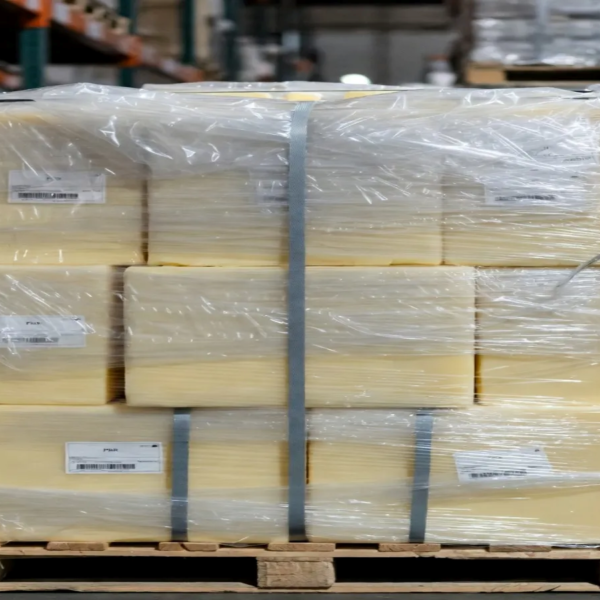
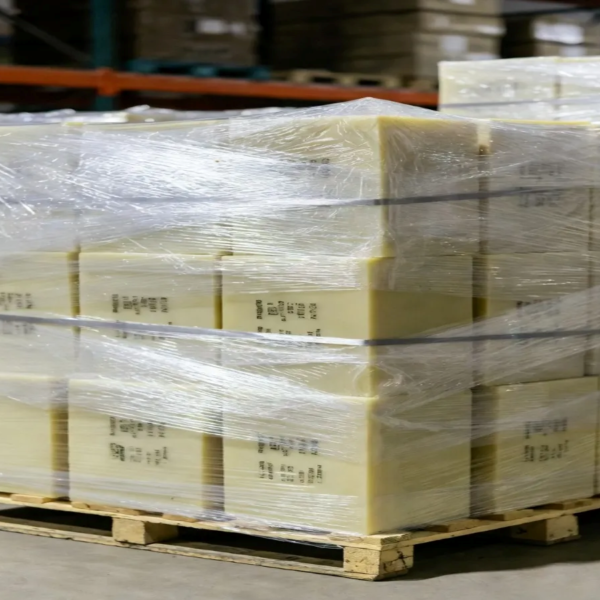
SBR 1712 is generally provided in 25 kg bales, enclosed in polyethylene film or anti stick liners to prevent adhesion. These bales are then stacked on either wooden or plastic pallets, with each pallet typically holding 1,000 to 1,200 kg, tailored to meet customer specifications. Pallets are tightly secured using stretch wraps or metal/plastic straps to maintain stability throughout transit.

 For high volume purchases, the material is also available in jumbo bags, typically weighing 1,000 kg each. These bags facilitate improved handling efficiency for industrial scale consumption. Constructed from multi layer woven polypropylene with inner moisture-resistant liners, jumbo bags are ideal for protecting the material in humid conditions.

The packaging is specifically designed to limit exposure to air and UV light. While SBR 1712 demonstrates strong stability, prolonged exposure may accelerate oxidation. Consequently, protective wrappings and pallet covers are employed, particularly for shipments routed through areas with high temperatures or humidity.

Export arrangements are customized based on the destination and client preferences. Most shipments are transported in 20-foot or 40-foot containers, determined by weight restrictions and order volumes. To protect the cargo from condensation or container sweat during extended sea voyages, containers may be lined with kraft paper or polyethylene sheets.

Although SBR 1712 does not require temperature-controlled conditions, avoiding prolonged exposure to extreme heat exceeding 40°C is advisable as it may soften the packaging and cause bale deformation. Storage facilities should be clean, well ventilated, dry, and away from direct sunlight or heat sources.

Export documentation includes essential items such as a Certificate of Analysis (COA), Material Safety Data Sheet (MSDS), packing list, commercial invoice, and certificate of origin. Some markets necessitate compliance with specific environmental or chemical regulations for instance, REACH requirements in Europe or EPA related documents for shipments to the United States.

TJPC adheres to rigorous international export standards, ensuring that every shipment undergoes thorough inspection before departure. This includes checks for uniform bale weight, intact packaging, accurate labeling, and secure pallet stability to guarantee optimal delivery conditions.

 The consistent and secure packaging of SBR 1712 supports seamless unloading, efficient warehouse storage, and smooth utilization by manufacturers across a wide range of industries.

Quality Contorol

این‌ها ALT text آماده برای تصاویر محصول SBR 1712 هستند:

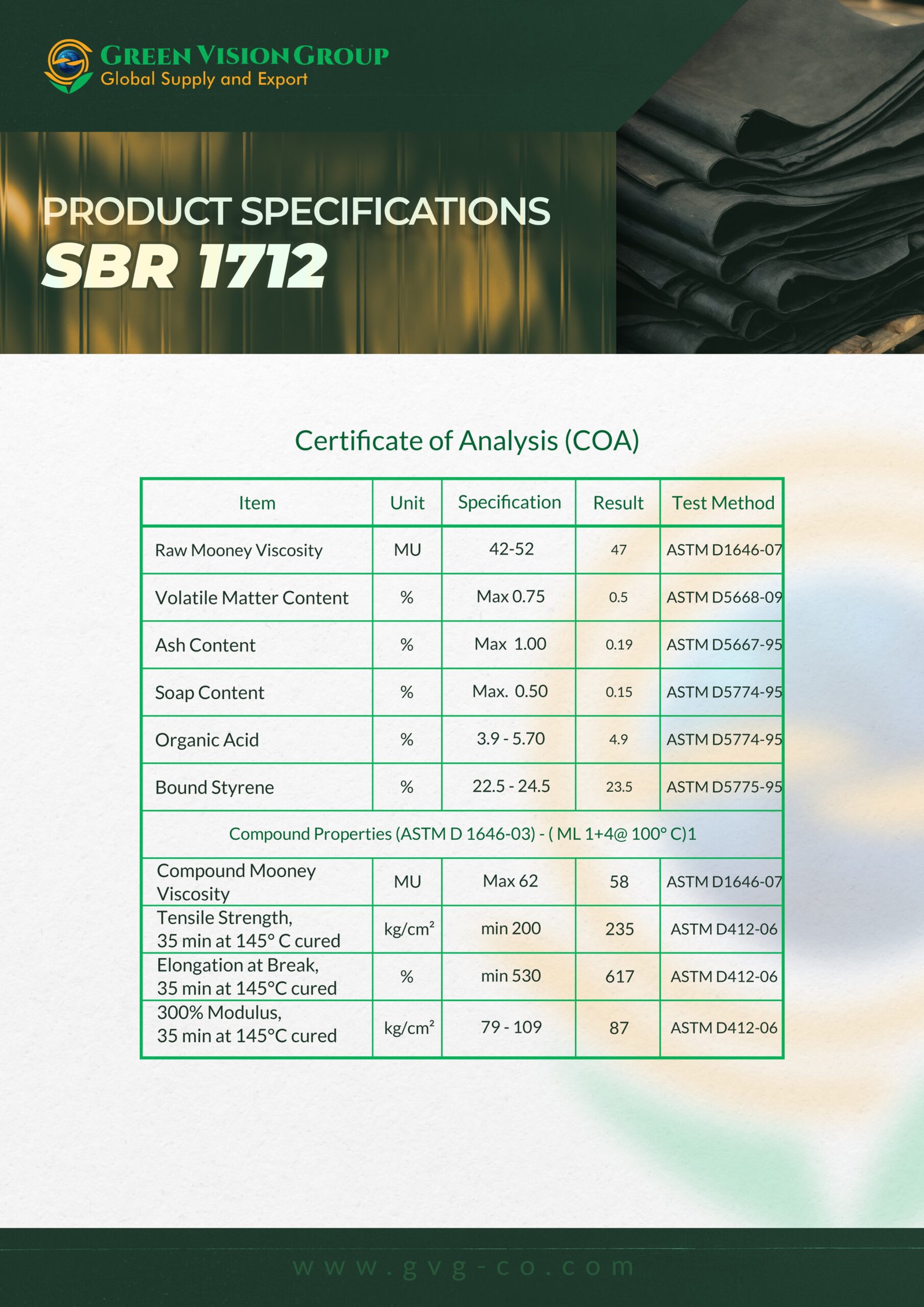
SBR 1712 synthetic rubber technical analysis and specification sheet

Technical Specifications

Item Unit Specification Result Test Method
Raw Mooney Viscosity MU 42-52 47 ASTM D1646-07
Volatile Matter Content % Max 0.75 0.5 ASTM D5668-09
Ash Content % Max 1.00 0.19 ASTM D5667-95
Soap Content % Max 0.50 0.15 ASTM D5774-95
Organic Acid % 3.9 - 5.70 4.9 ASTM D5774-95
Bound Styrene % 22.5 - 24.5 23.5 ASTM D5775-95
Compound Mooney Viscosity MU Max 62 58 ASTM D1646-07
Tensile Strength, 35 min at 145° C cured kg/cm² min 200 235 ASTM D412-06
Elongation at Break, 35 min at 145°C cured % min 530 617 ASTM D412-06
300% Modulus, 35 min at 145°C cured kg/cm² 79 - 109 87 ASTM D412-06

Application

TJPC SBR 1712 stands out as one of the most extensively utilized synthetic rubbers across various global industries, offering an optimal combination of performance, cost efficiency, and processing versatility. Its remarkable adaptability allows it to be a cornerstone material for products ranging from everyday consumer items to advanced industrial components. This broad usability highlights its essential role in sectors that require durable, abrasion-resistant, and dynamically stable rubber solutions.

 The tire industry is the foremost consumer of SBR 1712, leveraging its capabilities for vital components such as treads, sidewalls, and carcasses. Esteemed for its excellent abrasion resistance, dependable elasticity, and compatibility with carbon black, SBR 1712 is frequently blended with natural rubber or butadiene rubber to enhance wear resistance, minimize rolling resistance, and improve wet-grip performance. These features help manufacturers meet global safety and fuel efficiency benchmarks in both bias and radial tire production. Its oil-extended composition further streamlines processing, enabling faster mixing, improved filler integration, and uniform vulcanization to ensure consistent product quality.

 In the footwear sector, SBR 1712 is integral to manufacturing robust shoe soles, midsoles, and sports footwear. Its superior abrasion resistance and flexibility make it ideal for producing durable soles that resist cracking and maintain effective grip under prolonged use. Additionally, the material’s compatibility with molding and extrusion processes enables the creation of intricate and patterned outsole designs.

Industrial applications also benefit from SBR 1712’s reliability. It is used in making conveyor belts, transmission belts, hoses, and gaskets products that require resilience and the ability to endure mechanical stress while maintaining elasticity and structural integrity. Thanks to its balanced styrene content, SBR 1712 ensures that these components retain their hardness and shape even when subjected to continuous or heavy loads qualities highly valued in demanding environments such as mining, cement production, and logistics.

The automotive industry employs SBR 1712 for critical parts like vibration damping components, anti-vibration pads, sealing parts, and other molded mechanical applications. Its dynamic resilience significantly reduces vehicle noise and vibration while maintaining structural optimization. The material’s blending potential with natural rubber also enables fine tuning properties like hardness, elasticity, and mechanical strength to suit specific application requirements.

SBR 1712 also shows exceptional performance in extruded products such as rubber sheets, seals, tubing, and edge profiles. Its excellent flow properties ensure smooth, uniform extrusion processes with impressive dimensional precision and surface finish. These features make it especially suited for applications demanding high accuracy and appearance consistency.

 Moreover, the material finds application in rubber flooring, mats, and sports surfaces where its elasticity, abrasion resistance, and shock-absorbing qualities are indispensable. Its compatibility with recycled rubber makes it an appealing choice for cost-effective formulations in these sectors.

Adhesive and sealant production also benefits from SBR 1712 as a reliable base polymer. Its film forming ability combined with flexibility and strong bonding capabilities supports its use in pressure sensitive adhesives, water based glues, and construction sealants.

 In summary, the versatility and reliability of SBR 1712 make it a preferred choice across a spectrum of industries including tires, footwear, automotive components, industrial rubber goods, molded parts, adhesives, and more. Manufacturers continue to rely on its efficient blend of performance, economy, and processing ease to meet the demands of nearly every major rubber dependent sector.