
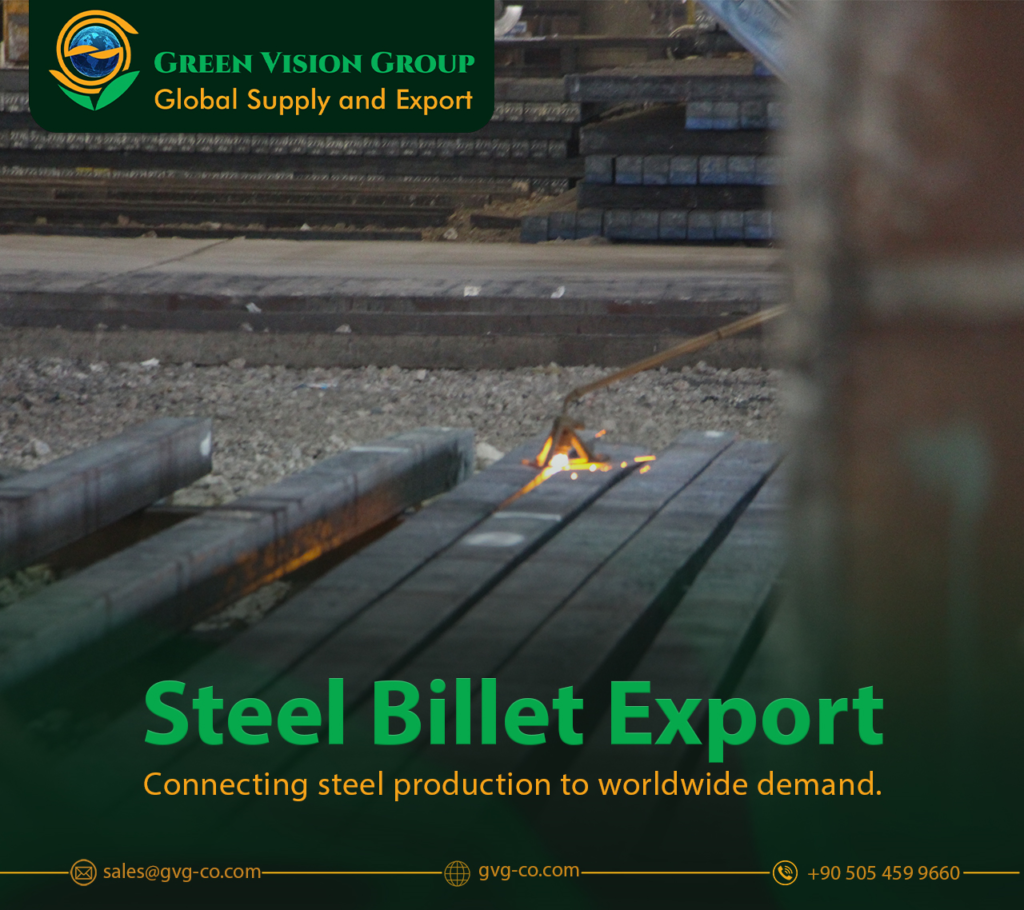
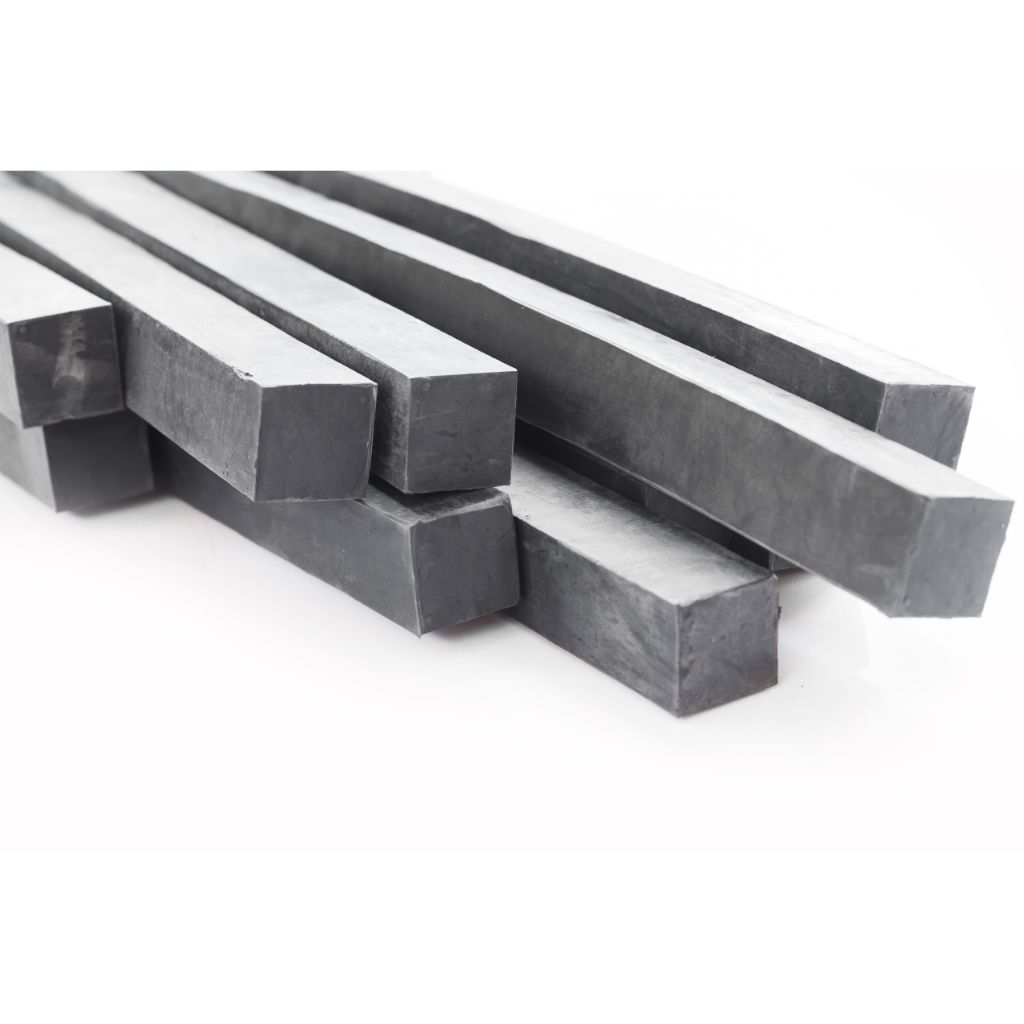
Steel billets serve as a fundamental product within the steel industry, available in various types, each tailored to specific applications and technical requirements. Steel billet export success begins with understanding these basic product classifications. Depending on their shape and size, billets are categorized as billets, blooms, or slabs, each designed for distinct downstream applications. Billets, with square or rectangular cross-sections, are commonly used in the manufacturing of rebar and steel wire, while blooms, being larger, are suited for heavy beams and structural profiles. Slabs, on the other hand, find use in the production of steel sheets and are integral to rolling mills. Click to view the steel billets.
The chemical composition significantly influences the quality and utility of steel billets, a critical factor for steel billet export quality assurance. Typically, their carbon content ranges from 0.15% to 0.6%, which impacts their hardness and workability. Elements like manganese, silicon, phosphorus, and sulfur also play critical roles by affecting mechanical properties and enhancing corrosion resistance. Low-carbon steel billets are preferred for hot rolling and light construction purposes, whereas higher-carbon variants cater to automotive and tool-making sectors.
Adherence to international production standards is vital for steel billets in the global market. They are generally manufactured following ASTM, DIN, JIS, or regional standards to ensure reliability and uniform quality. Meeting these standards is essential for steel billet export viability; failure to comply could lead to issues during downstream production or rejection by international buyers. Steel billet quality directly affects customer satisfaction.
Dimensional and Manufacturing Quality Standards
Key specifications such as weight and dimensions are crucial for transportation and further processing in steel billet export. Standard billets weigh between 1 to 3 tons with lengths ranging from 6 to 12 meters. Blooms are larger, often weighing 5 to 10 tons, while slabs are extended and wide, with weights reaching several tons. These dimensions must be tailored to meet buyer requirements. The manufacturing process directly impacts billet quality.
Production methods range from traditional blast furnaces to modern techniques like induction furnaces and continuous casting. Continuous casting is particularly advantageous for steel billet export as it results in a more uniform grain structure with minimal internal defects critical for exporting to markets with stringent quality demands. The casting process profoundly affects mechanical properties and rolling capabilities. Surface integrity is another essential aspect of steel billet quality.
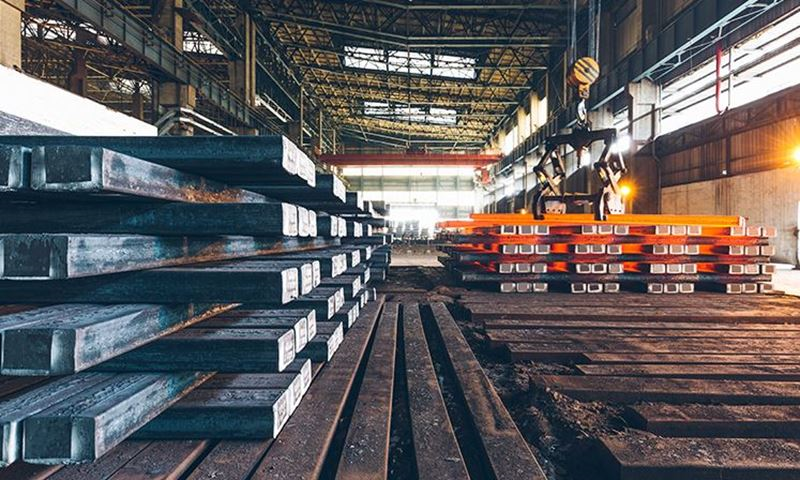
It is imperative that the billet surface remains free of cracks, cavities, or oxidation, as these defects can compromise downstream processing and the quality of the final product. To ensure this, thorough visual inspection and non-destructive testing are routinely conducted prior to steel billet export a practice closely scrutinized by international buyers. Steel billet surface defects increase downstream rejection rates. Click to view the steel billets.
Mechanical characteristics such as hardness, tensile strength, and formability determine the versatility of billets for various uses. Low-carbon steel billets are more pliable during rolling and suitable for construction projects. In contrast, specialized alloy billets offer higher tensile strength for heavy engineering applications. These properties must align with buyer specifications for seamless production. Steel billet mechanical data validates performance claims for steel billet export.
Storage, Grading, and Processability Requirements
Proper storage and handling are critical to maintaining steel billet quality for steel billet export. Extended storage in humid environments may cause rusting and degrade usability. Therefore, billets should be kept in dry, sheltered facilities with adequate packaging during export to protect them from surface damage and corrosion. Exported billets are graded according to customer requirements and end-use applications.
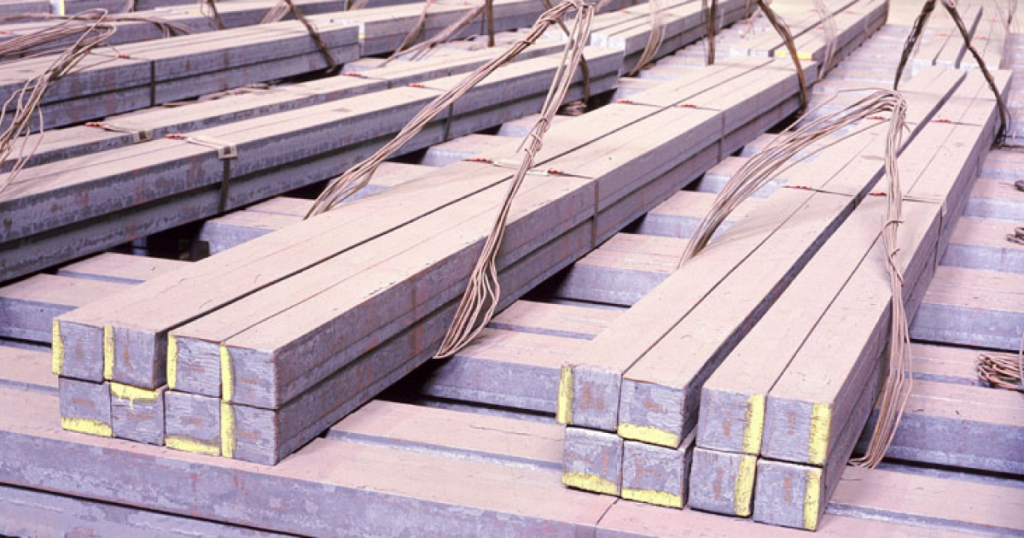
Grading involves consideration of steel type, chemical composition, and mechanical properties. Any deviation from agreed specifications could result in product returns or price reductions. Hence, precise coordination with customers before production is vital for successful steel billet export. Finally, the processability of steel billets holds significant importance. They must be readily capable of rolling, cutting, or shaping at the buyer’s facilities. Click to view the steel bloom
Compatibility between mechanical properties, chemical composition, and factory equipment is crucial for ensuring smooth production of final goods. Attention to these aspects is essential for successful steel billet export. Storage conditions directly impact surface integrity metrics. Grading consistency builds long-term buyer trust reliably. Processability defines integration ease in foreign mills. These factors collectively determine steel billet export success rates.
Global Target Markets and Regional Demand Patterns
The primary markets for steel billet export are typically countries with well-established or emerging downstream steel industries. These markets predominantly include nations within Asia, Africa, and parts of the Middle East. Among them, China stands out as a critical player, being the world’s largest producer and consumer of steel. Its extensive demand for billets stems from the need for raw materials used in rebar and steel sheet production, crucial for the construction and automotive sectors.
Turkey also represents a significant destination for steel billet export. Its robust steel industry relies on billet imports to support rolling mills and profile factories. Due to the geographic proximity between Turkey and Iran, land transportation via shared borders ensures cost effective and timely delivery, making Turkey a highly accessible export destination. The United Arab Emirates (UAE) functions as both a market and a vital trading hub for steel billet export.
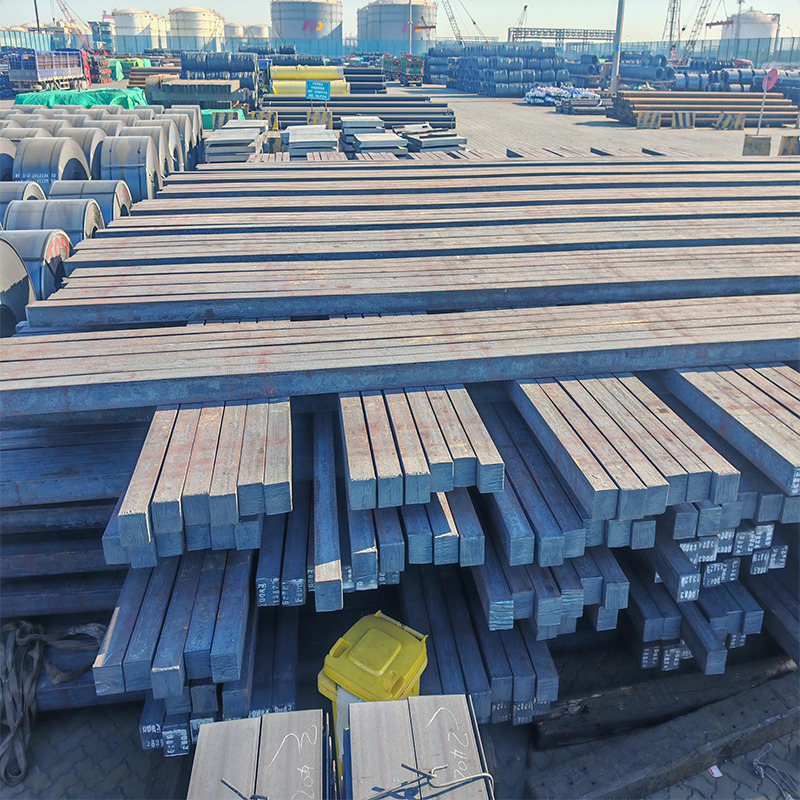
Iranian billets typically reach UAE ports through southern shipping routes and are subsequently distributed across Gulf countries and parts of Africa. However, the UAE primarily serves as a distribution center rather than a direct consumer. Elsewhere in Asia, countries like Thailand and Vietnam present valuable steel billet export opportunities. The expanding construction and automotive industries drive their need for steel billets.
In Africa, markets such as Egypt, Morocco, and Nigeria demonstrate growing potential due to developing steel industries and infrastructure projects. While African countries often seek competitively priced billets, order volumes are generally smaller. However, demand here has displayed notable growth in recent years. Trade policies in target countries also shape steel billet export demand significantly. High import tariffs limit opportunities, while open policies create favorable conditions.
Pricing Dynamics and International Market Trends
The global price of steel billets serves as a vital benchmark for steel billet export and for assessing the overall health of the steel industry. As a critical raw material, its price is shaped by supply and demand, energy costs, macroeconomic conditions, and trade policies. Fluctuations in billet prices cascade into related products like rebar and sheets, underlining their pricing importance. In recent years, the international billet market has been heavily impacted by economic trends and raw material costs.
A rise in iron ore prices drives up steel billet production costs and pushes global prices higher, directly affecting steel billet export pricing. Similarly, disruptions in steel scrap supply alter production expenses significantly. Energy pricing is another crucial determinant. Manufacturing steel billets demands substantial electricity, gas, and coal. Increases in global energy costs heighten production expenses in many regions. Some nations benefit from cheaper energy, granting competitive steel billet export advantages. Click to view the steel billets.
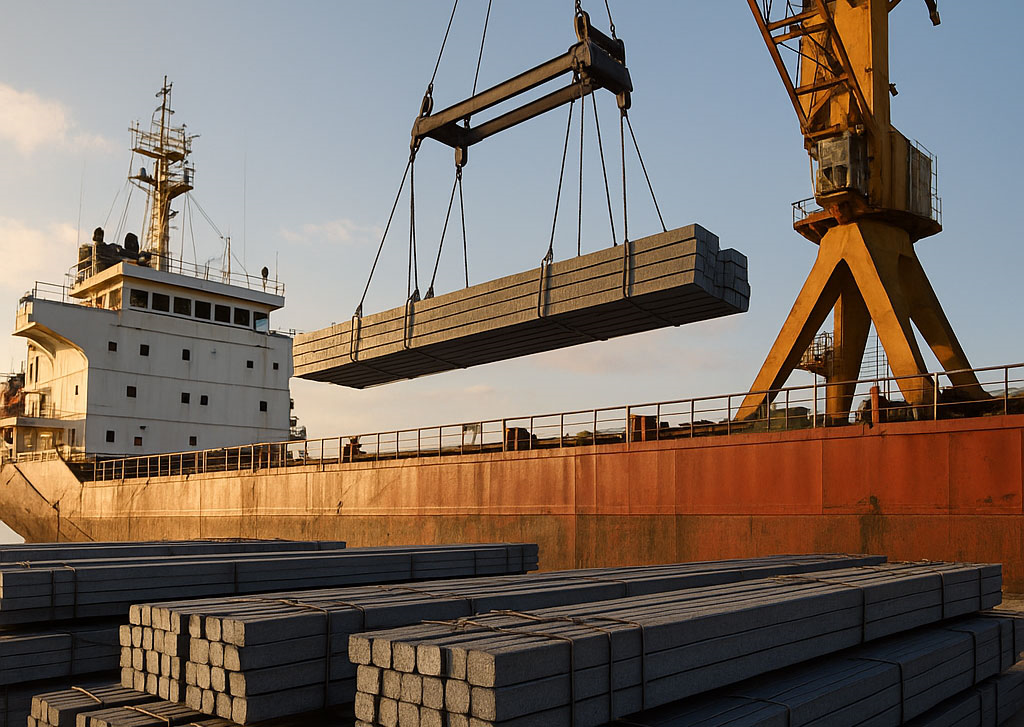
Currency exchange rates exert considerable influence on international pricing for steel billet export. When a country’s currency weakens against the U.S. dollar, its exports become more competitively priced. Conversely, stronger currencies render exports less attractive. Thus, currency fluctuations are pivotal for steel billet exporters. On the demand side, construction and automotive sectors significantly affect consumption trends.
During construction booms, particularly in developing nations, demand surges, driving prices upward. Conversely, economic slowdowns reduce demand and lead to price declines. Trade policies and tariffs also introduce volatility into steel billet export. Changes such as heightened import duties or export restrictions disrupt global supply balances. Commodity exchanges like the LME act as benchmarks where speculative activities amplify short-term volatility.
Iran’s Production Capacity and Export Infrastructure
The production capacity of domestic steel billets is pivotal for steel billet export potential and industry sustainability. Over recent years, Iran has markedly expanded its steel production capabilities by establishing plants across the country. This progress has been fueled by abundant iron ore resources, low-cost energy, and a skilled labor force. However, production capacity is unevenly distributed, with most facilities concentrated in central and southern provinces.
Key players like Mobarakeh Steel Company, Khouzestan Steel Company, Hormozgan Steel, and MIDHCO dominate billet manufacturing and support steel billet export. These companies cater to domestic demand while supporting exports. Khouzestan Steel holds a prominent position in foreign markets, exporting substantially to neighboring countries. Mobarakeh Steel focuses on finished products but indirectly influences the billet market. The majority of steel billets in Iran use the DRI method followed by EAF melting.
This approach is cost-effective due to Iran’s ample natural gas reserves, supporting steel billet export competitiveness. The DRI process minimizes energy consumption and reduces greenhouse gas emissions. Nevertheless, electricity shortages during summer months can constrain production capacity. Energy supply and infrastructure are critical to sustaining capacity utilization. Shortages of natural gas and electricity have led to reduced operating rates across plants.
Investment in new projects in southern Iran, particularly along the Persian Gulf coastline, has been rising to bolster steel billet export. These regions benefit from proximity to export ports and access to seawater for cooling. Initiatives like Hormozgan Steel and Pars Steel are export-oriented to reduce transportation costs. Iran’s iron ore reserves provide strong raw material foundations. Yet, older mines require modernization to optimize extraction for steel billet export.
Export Regulations and Policy Frameworks
Export regulations and policies governing the steel billet export sector shape international trade dynamics. These rules impact export volume, pricing, and market destinations. In nations like Iran, where domestic production surpasses local demand, strategic policy development can bolster foreign exchange earnings. However, frequent regulatory adjustments have sometimes led to market instability and diminished exporters’ confidence. Governments often impose export duties to safeguard domestic markets.
The intention is to limit exports during high internal demand or strained supply. While this stabilizes local markets, it may discourage producers from exporting surplus. Experts advocate for adaptable export duties aligned with global steel billet export dynamics rather than inflexible rates. Another measure requires producers to sell a portion of output on domestic commodity exchanges before obtaining export permits.
This aims to enhance transparency and secure local supply. However, it can slow steel billet export processes, limiting flexibility. Many producers argue that domestic quotas should be based on actual surplus production. Customs authorities play a pivotal role by determining base export prices, packaging standards, and tariff codes. Adjustments influence exporter profitability significantly. Lack of coordination between customs, industry ministry, and central bank causes operational challenges for steel billet export.
A longstanding issue is compliance with foreign currency repatriation policies. The mandate to return proceeds within specific timeframes slows export activities. Steel billet export entities call for greater flexibility to align with destination market conditions. Economic sanctions have significantly influenced export strategies. Restrictions on banking and transport forced reliance on indirect routes.
The government promoted barter trade and non-dollar currencies to counteract hurdles for steel billet export. Though somewhat effective, these approaches face transparency challenges. Bilateral trade agreements with Turkey, Iraq, and Afghanistan can reduce tariffs and open opportunities. Yet, achieving benefits requires improved coordination between trade and diplomatic sectors. Long-term policies emphasize shifting from raw material to higher value-added exports.
Logistics, Supply Chain, and Transport Optimization
Efficient logistics and supply chain management play a pivotal role in steel billet export given their bulky nature. Transportation costs represent a significant portion of the final price, making optimal route selection essential. Depending on distance, exports rely on land, sea, or combined methods. Land transport is common for nearby destinations like Turkey, Iraq, and Afghanistan.
This method offers faster delivery and greater flexibility for steel billet export. However, challenges like limited border capacity, traffic restrictions, and fuel price fluctuations complicate the process. Extended land journeys elevate damage risk, necessitating proper packaging and specialized trucks. For distant markets like East Asia and Africa, sea transport is preferred for steel billet export. Major hubs like Imam Khomeini Port and Bandar Abbas facilitate direct international connections.
Although sea freight is cost-effective, it requires longer delivery times and efficient coordination with shipping operators. Bulk carriers handle large tonnages effectively. Proper loading equipment, including heavy-duty cranes and specialized port storage, minimizes product damage. Packaging and protection are crucial throughout transit for steel billet export. To prevent corrosion and scratches, billets should be wrapped in moisture-resistant covers and standardized pallets.
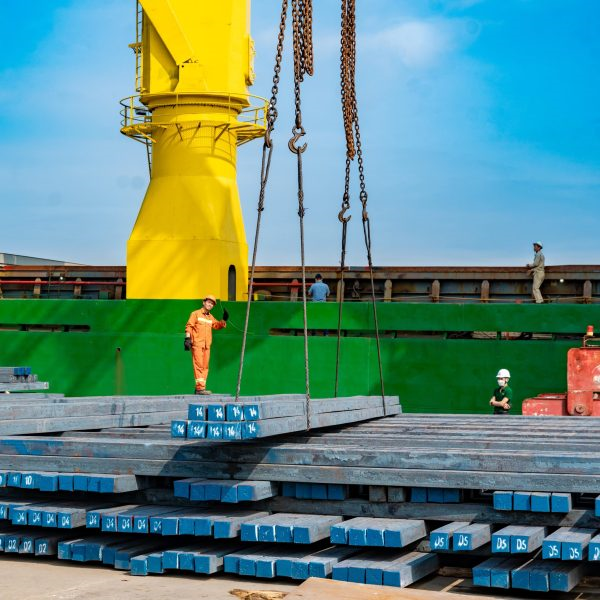
This reduces losses and ensures quality compliance. Effective supply chain management for steel billet export demands synchronized efforts between producers, warehouses, and transport operators. Delays at any stage disrupt the entire export cycle. Integration of logistics software and real-time tracking streamlines operations by reducing errors. Reliable access to raw materials is another cornerstone. Steel manufacturing depends on continuous supply of iron ore and scrap.
Disruptions hinder production and constrain steel billet export capacity. Establishing long-term agreements with mines ensures stable flow. Environmental factors like storms or flooding can cause delays. Proactive planning and alternate routes mitigate such risks. Transport insurance is indispensable for mitigating accident or damage risks in steel billet export. Proper cost evaluation and policy selection ensure export profitability. Click to view the steel bloom
Competitive Strategy and Market Intelligence Sources
The competitive landscape reveals that major producers like China, India, Russia, and Brazil influence pricing and export flows for steel billet export. Their cost efficiency and production capacity create intense competition. Iran holds advantages through iron ore reserves and low energy costs. However, underdeveloped infrastructure and energy fluctuations can undermine this edge. A thorough analysis must consider internal strengths against global rivals for steel billet export.
Product quality and international standard compliance are vital for competitiveness in steel billet export. Iranian billets now comply with ASTM and DIN standards, yet quality-sensitive markets may demand pre-shipment testing. Success hinges on aligning properties with customer specs. Pricing plays an essential role. Steel billet export strategies must account for global trends, transport costs, tariffs, and exchange rates. Effective strategies require benchmarking against key competitors.
Over-reliance on pricing without quality or logistics efficiency leads to diminished profitability. Marketing for steel billet export should target diverse markets with robust industrial growth. Neighboring regions present lower risks and faster entry points. Enhancing the value chain by shifting to higher value-added products like rebar or profiles yields greater profitability. Streamlining logistics with faster delivery and optimized routes boosts customer satisfaction for steel billet export.
Adaptability to market dynamics remains critical. Prompt response to raw material shifts or export restrictions ensures sustained market share. Collaboration with international partners enhances competitiveness through long-term contracts and joint ventures. Suggested data sources for steel billet export strategy include official statistics from Iran’s Ministry of Industry and global bodies like the World Steel Association. Click to view the steel billets.
Reports from UN Comtrade and LME provide pricing trends for competitive steel billet export pricing. Consulting firms like CRU and McKinsey offer supply-chain reviews and demand forecasts. Macroeconomic indicators of target countries inform demand predictions. Understanding export regulations sheds light on risks or advantages. Monitoring technological advancements enables quality improvement and cost reduction for steel billet export.
Industry news platforms and academic research provide timely updates on trends and regulatory shifts. Combined with official data, these form a robust foundation for strategic decisions in steel billet export. Competitive intelligence drives market expansion effectively.
Conclusion
In summary, a successful steel billet export operation is built on a multifaceted foundation that integrates product fundamentals, stringent quality control, and deep market intelligence. Mastery of the product’s chemical and mechanical properties, coupled with strict adherence to international standards, establishes the baseline for global competitiveness. Navigating the complexities of pricing dynamics, driven by raw material costs, energy prices, and currency fluctuations, is essential for maintaining profitability in a volatile international market.
Furthermore, optimizing the logistical chain from secure storage and efficient land or sea transport to robust packaging is critical for delivering product integrity and meeting client expectations. For exporters, particularly from resource-rich nations like Iran, leveraging inherent advantages in raw materials and energy must be balanced with strategic investments in infrastructure, regulatory adaptability, and value-chain development.
Ultimately, sustained success in steel billet export depends on a proactive, informed strategy that aligns production capabilities with the evolving demands of target markets, ensuring reliability and fostering long-term partnerships in the global steel industry. Click to view the steel billets.
No Comment