
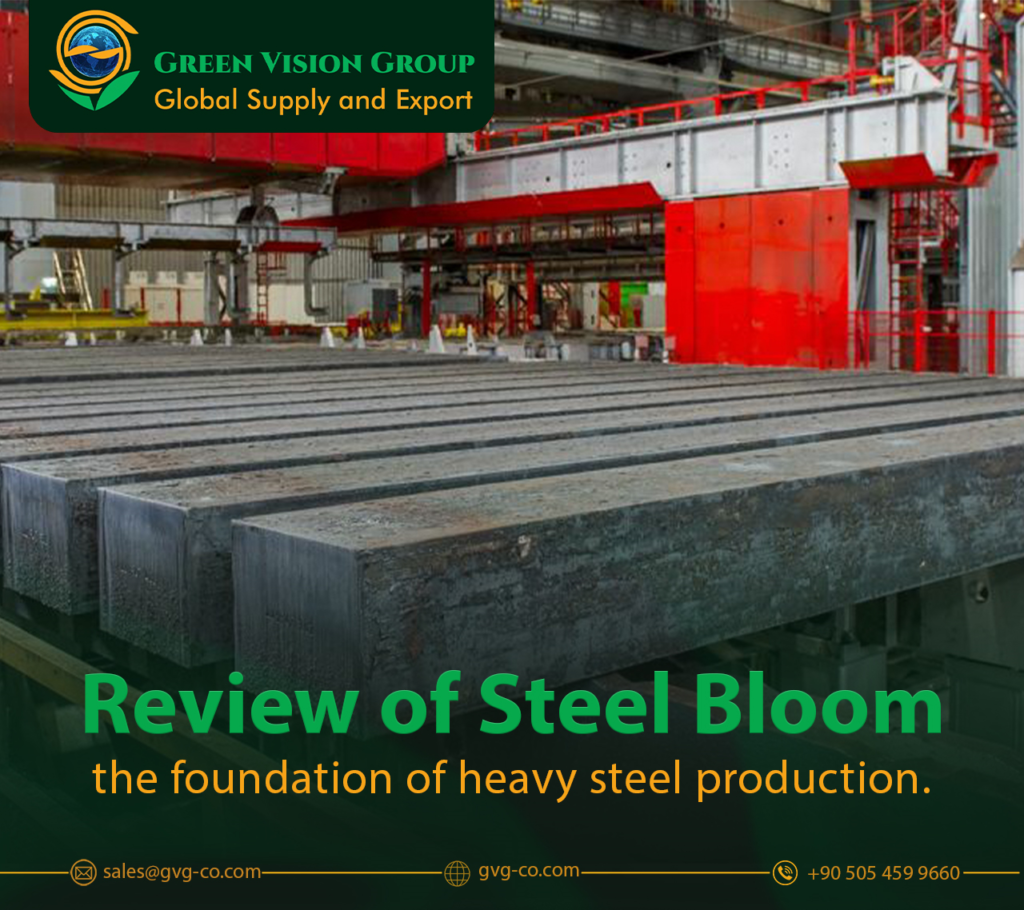
Steel Bloom is a semi-finished steel product integral to the production of various steel sections. Characterized by its rectangular shape and a cross-sectional area exceeding 230 cm², it serves as a raw material for manufacturing heavier steel components. Typically produced through continuous casting or the primary rolling of slabs and other cast steel products, bloom plays a vital role in the steel supply chain. Its chemical composition varies based on the application, commonly including carbon, manganese, silicon, phosphorus, sulfur, and other alloying elements. Among these, carbon content significantly influences the strength, hardness, and formability of the bloom. Different grades are tailored to meet the mechanical and physical demands of diverse industrial applications. In terms of physical dimensions, blooms generally come in standard lengths ranging from 6 to 12 meters, with variable widths and thicknesses. The key distinction between bloom and billet lies in their cross-sectional size: billets have a cross-section smaller than 230 cm², while blooms are larger. This makes blooms particularly suited for fabricating heavier steel sections such as I-beams, rails, channels, and large industrial components. Production methods for bloom often include electric arc furnaces or basic oxygen converters, followed by continuous casting. In some instances, an initial rolling process is employed to enhance surface quality and ensure uniform chemical properties. After production, blooms are further processed through hot rolling or forging to produce finished steel products. Given its pivotal role in the steel industry, quality control in bloom production is paramount. Parameters such as chemical composition, mechanical strength, surface smoothness, and impurity content must adhere to international standards like ASTM, DIN, EN, and ISIRI. As a result, bloom finds extensive use across various sectors, including construction, infrastructure development, automotive manufacturing, and heavy machinery production. Click here to view Bloom Steel Ingot.
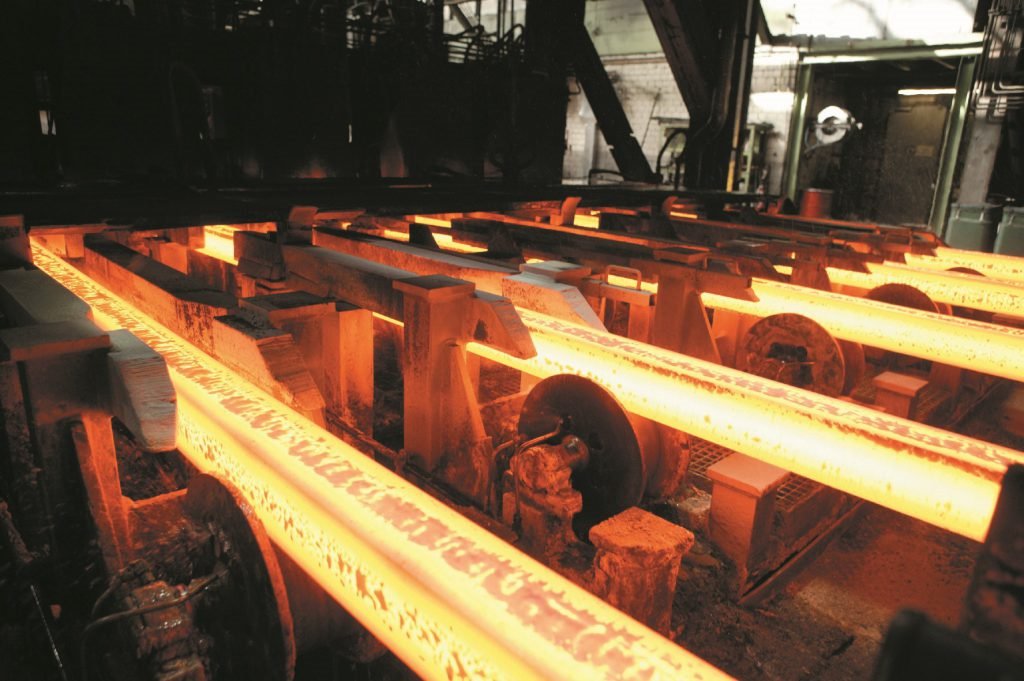
Bloom is a semi-finished steel product characterized by distinct chemical, mechanical, and dimensional properties that determine its quality and suitability for a wide range of industrial applications. Its classification is based on factors such as composition, strength, and adherence to manufacturing standards, ensuring it fulfills the specifications required for further processing into finished steel products. Chemically, bloom commonly consists of elements like carbon (C), manganese (Mn), silicon (Si), phosphorus (P), and sulfur (S), supplemented by additional alloying elements tailored to its specific use. Carbon content plays a crucial role in determining hardness and strength, while manganese and silicon enhance toughness and resistance to deformation. Based on these attributes, various grades of bloom are produced to align with the mechanical demands of sectors such as construction, automotive, and heavy machinery. The mechanical properties of bloom are defined by parameters such as yield strength, tensile strength, and elongation capacity. These depend on the chosen steel grade and the applied heat treatment. High-strength blooms find particular use in manufacturing structural steel components, rail systems, and large industrial parts that demand exceptional mechanical performance. Dimensionally, blooms generally feature a cross-sectional area exceeding 230 cm² and are typically produced in standard lengths ranging from 6 to 12 meters. Their width and thickness can vary to meet specific production and customer requirements. Manufactured through methods like continuous casting or primary rolling, blooms are known for their uniform internal structure and minimal defects. To guarantee quality and uniformity, bloom production strictly complies with international standards such as:
· ASTM (American Society for Testing and Materials) – Defines mechanical and chemical requirements for different steel grades.
· EN (European Standards) – Used for ensuring consistency in mechanical properties and dimensions.
· DIN (Deutsches Institut für Normung – German Standards) – Governs the composition and processing of steel materials.
· ISIRI (Institute of Standards & Industrial Research of Iran) – Regulates steel production and quality control in Iran.
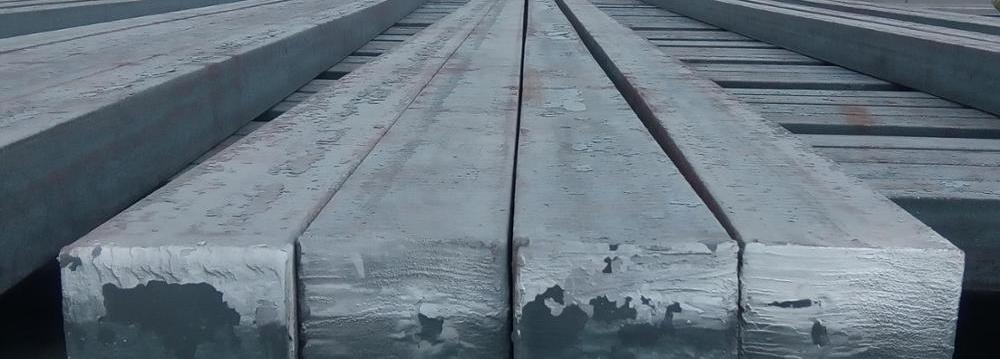
Applications of Bloom
Bloom is a vital raw material in the steel industry, forming the foundation for a wide range of structural and industrial components. Its large cross-sectional dimensions and exceptional mechanical strength make it highly valuable for applications in construction, transportation, infrastructure, and the manufacturing of heavy machinery. A key use of bloom is in producing long steel products such as I-beams, H-beams, channels, and rails. These structural elements are critical for constructing bridges, skyscrapers, highways, and railways—projects that demand exceptional load-bearing capacity and durability. The inherent strength and stability of bloom make it an ideal choice for meeting these rigorous requirements. In the automotive and heavy machinery sectors, bloom serves as the base material for manufacturing robust components. Steel derived from bloom is frequently used for industrial machines, shipbuilding structures, and large vehicle frames where superior mechanical properties are essential. Its suitability for further processing methods such as forging or hot rolling enables the creation of critical parts like axles and crankshafts. The oil and gas industry also benefits from the use of bloom. It is transformed into seamless pipes and other specialized steel components designed to endure high-pressure conditions, extreme temperatures, and challenging environments. Its adaptability and strength ensure reliable performance in such demanding applications. In essence, bloom underpins numerous industries, providing the raw material for essential steel products. Its versatility and durability make it an indispensable resource for infrastructure development, manufacturing, and large-scale engineering projects worldwide. Click here to view Steel Billet
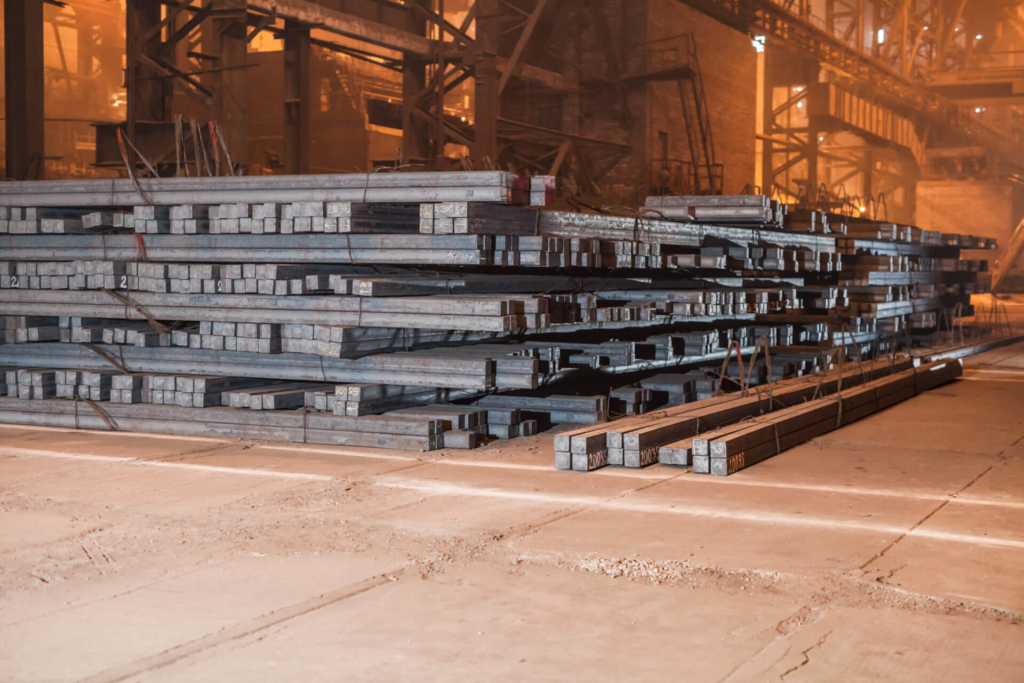
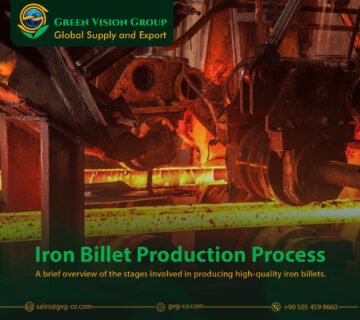
The production of blooms involves several crucial stages, progressing from raw material preparation to casting and shaping. The primary aim is to manufacture a high-quality semi-finished steel product that serves as the foundation for various steel components. Key steps in the process include raw material preparation, melting, casting, and preliminary shaping. The process starts with selecting suitable raw materials, typically a mix of iron ore, scrap steel, and ferroalloys. In integrated steel plants, iron ore is smelted into molten iron within a blast furnace. Alternatively, in electric arc furnaces (EAF), scrap steel is melted using intense electrical currents. During this phase, alloying elements like carbon, manganese, and silicon are incorporated to achieve the desired chemical composition. Once the molten steel is prepared, it undergoes refining to eliminate impurities such as sulfur and phosphorus. This stage is conducted in secondary metallurgy units such as ladle furnaces or vacuum degassing systems, which enhance the steel’s mechanical and chemical properties and overall quality. Following refinement, the molten steel is directed to the continuous casting machine (CCM). Here, it is poured into rectangular molds to form blooms. As the steel passes through the casting machine, it gradually cools and solidifies into a semi-finished product with a uniform cross-section. These blooms are subsequently cut into standard lengths, typically measuring between 6 to 12 meters, based on customer specifications. In some instances, blooms may undergo an additional rolling stage called primary rolling. This step improves surface quality and internal structure, ensuring the blooms are free of defects and meet the mechanical properties required for further processing. The final phase involves rigorous quality inspections to ensure the blooms comply with specified chemical, mechanical, and dimensional standards. Once approved, they are stored or transported to rolling mills for further processing into rebars, beams, rails, and other steel products.
Advantages and Disadvantages of Bloom
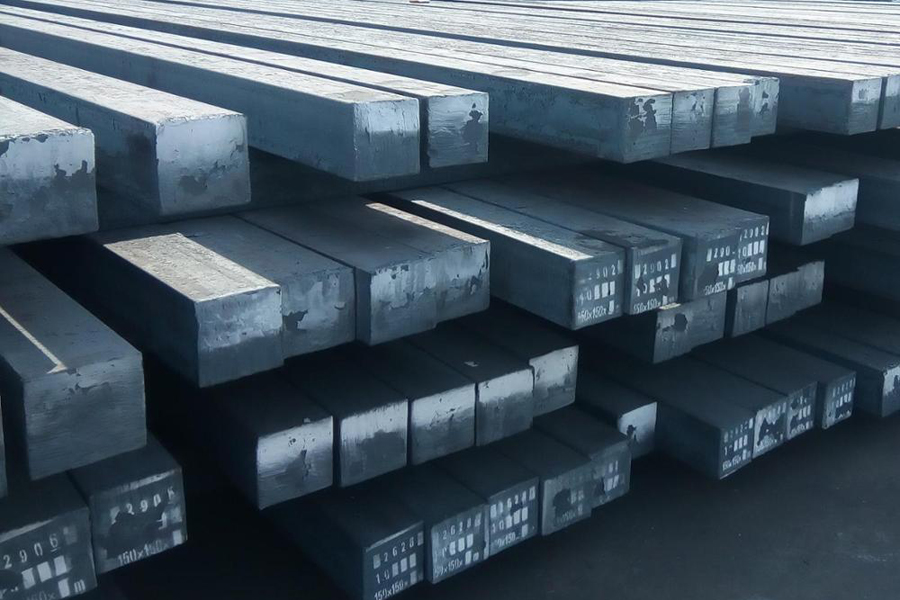
Bloom, as a semi-finished steel product, offers notable advantages that make it a popular choice for manufacturing a variety of steel components. However, like all materials, its suitability depends on specific applications and processing requirements, and it is not without its drawbacks. A significant advantage of bloom lies in its exceptional strength and durability. Its large cross-sectional area and uniform composition contribute to excellent mechanical properties, making it ideal for creating structural steel elements such as I-beams, rails, and components for heavy-duty machinery. Furthermore, bloom is highly workable and versatile. It can be processed through methods like hot rolling, forging, or machining, allowing the production of steel products in diverse shapes and sizes. Another major benefit of bloom is its cost efficiency in large-scale production. Manufactured in bulk through continuous casting, it minimizes material waste and enhances production efficiency. Additionally, blooms can be produced in various steel grades, making them suitable for customized applications across industries such as construction, automotive, and oil and gas. Nonetheless, bloom has its limitations. One notable disadvantage is its considerable size and weight, which can complicate handling, transportation, and storage compared to smaller semi-finished products like billets. This often necessitates specialized equipment and logistics to manage the movement of blooms safely and efficiently within steel plants and distribution networks. Additionally, potential defects such as surface imperfections or internal inconsistencies may arise during production if processes like casting or rolling are poorly controlled. Issues such as impurities, improper cooling, cracks, inclusions, or segregation can compromise the quality of the final product. As a result, rigorous quality control measures are critical to ensuring the reliability and performance of blooms. In summary, bloom is a robust, adaptable, and cost-effective material for steel manufacturing. However, maximizing its benefits while mitigating its challenges requires careful handling and stringent quality assurance practices. Click here to view Steel Slab
Price of Bloom
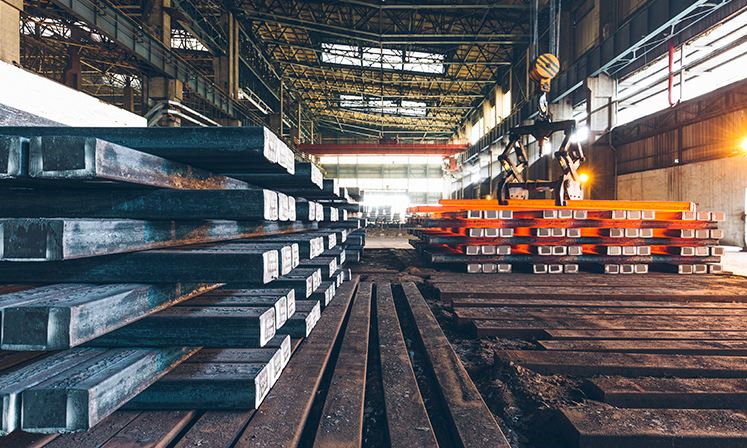
Several critical factors shape the pricing of bloom in the steel market, including raw material costs, global market dynamics, production expenses, supply and demand trends, and transportation costs. A clear understanding of these elements enables buyers and manufacturers to anticipate price changes and make well-informed decisions. Among these factors, the cost of raw materials like iron ore, scrap steel, and alloying elements (such as carbon, manganese, and silicon) plays a pivotal role. Since bloom is derived from these materials, any fluctuation in their prices has a direct impact on its final cost. Moreover, variations in energy expenses—such as electricity and gas—further influence production costs, particularly for manufacturers relying on electric arc furnaces (EAF). Global and local market conditions are another significant determinant. Economic patterns, trade policies, and geopolitical developments can all affect steel prices. For example, tariffs, sanctions, or import/export restrictions may alter the availability or cost of bloom. Additionally, global demand for steel from industries such as construction, automotive manufacturing, and infrastructure development heavily influences pricing trends. Logistics and transportation expenses also play a crucial role in determining bloom prices. Being a heavy and bulky material, the cost of shipping is substantial, especially for long-distance exports. Factors such as port fees, customs duties, and fuel price volatility contribute further to transportation costs. Exchange rate fluctuations also affect the price of imported blooms, making currency strength an important consideration for international transactions. Production efficiency and technological advancements in steelmaking are equally influential. Manufacturers employing modern, energy-efficient technologies and streamlined production processes can reduce operating costs, thereby offering more competitive pricing. Conversely, unexpected disruptions—such as factory downtime, equipment malfunctions, or shortages in raw materials—can lead to supply constraints and sudden price surges. To summarize, bloom prices are driven by a combination of raw material costs, market demand, production efficiency, and logistical factors. Buyers and suppliers must remain vigilant about these influences to navigate market dynamics effectively.
Important Considerations When Buying Bloom
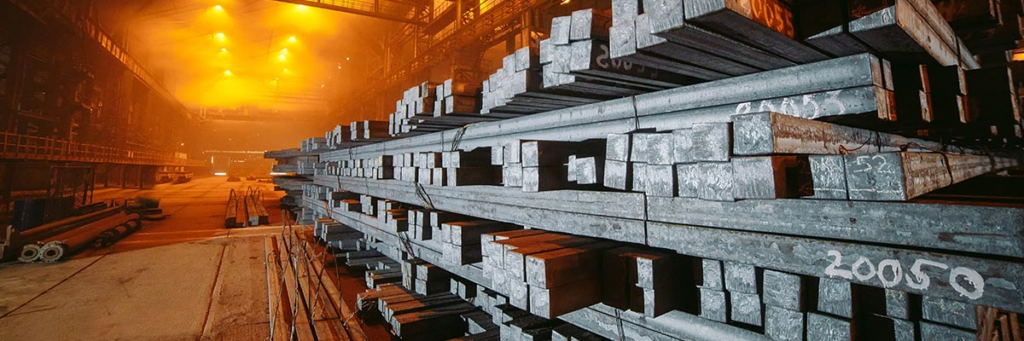
When buying bloom, it’s important for purchasers to evaluate several critical factors to ensure they acquire a high-quality product that aligns with their specific needs. Key elements to consider include the chemical composition, dimensions, adherence to quality standards, the reputation of the supplier, and logistical considerations. Proper assessment of these aspects minimizes defects and ensures smooth processing in subsequent applications. The chemical composition and mechanical properties of the bloom are among the most vital considerations. Buyers should verify that the bloom meets specified levels of carbon, manganese, silicon, and any alloying elements, as these directly influence its strength, hardness, and overall workability. To confirm compliance with industry standards, it is essential to review the mill test certificate (MTC) provided by the manufacturer. Dimensional accuracy is another significant factor. Blooms typically have a cross-sectional area exceeding 230 cm², but exact dimensions—such as width, thickness, and length—vary according to their intended use. Buyers need to ensure these measurements are compatible with their machining, forging, or rolling processes. A surface inspection is equally important to identify defects like cracks, inclusions, or irregular edges, which could compromise the quality of finished products. Conformance with international standards such as ASTM, EN, DIN, or ISIRI is critical to ensure reliability and uniformity. These standards specify acceptable tolerances, mechanical performance benchmarks, and required chemical compositions for various applications. Partnering with certified and trustworthy suppliers reduces the risk of obtaining substandard material. Logistical considerations are also a key element in the decision-making process because bloom is both heavy and bulky. Buyers must account for shipping costs, handling requirements, and optimal storage conditions. Calculating the total landed cost—which includes freight charges and duties for imports—enables a more informed decision about overall expenditure. Lastly, market trends and pricing dynamics should not be overlooked. Monitoring raw material prices, supply-demand shifts, and currency exchange rates can help buyers determine the best time for purchasing. Opting for bulk orders or negotiating long-term agreements with suppliers may also provide cost-saving opportunities.
No Comment