
 En
En
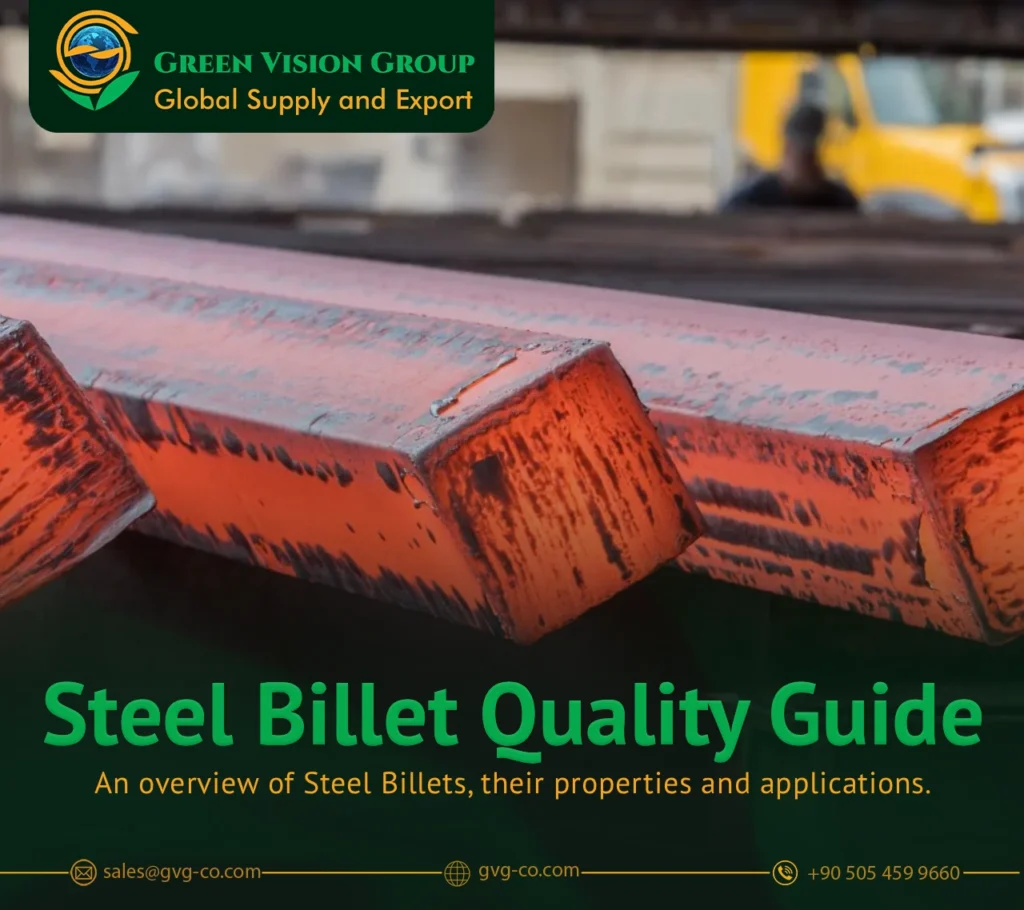
Billet Ingot Purchase: Chemical Composition Fundamentals
Billet quality and the the chemical makeup of a billet is a key factor that significantly impacts its performance during the rolling process. Of all the elements, carbon holds particular importance due to its direct influence on the hardness, strength, and formability of the material. An excessive carbon content makes the billet brittle during hot rolling, while an insufficient amount compromises the strength of the final product. The optimal carbon composition generally falls within the range of 0.12 to 0.20 percent. Deviations from this range render the billet unsuitable for construction purposes. Silicon is another vital element that contributes to strengthening the material. Click here to view Steel Billet.
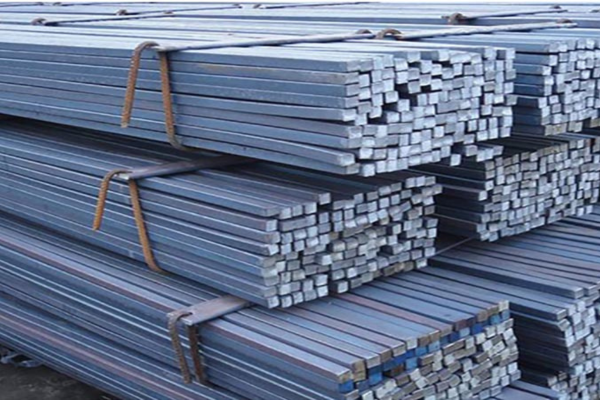
When present within the range of 0.10 to 0.35 percent, silicon improves wear resistance and overall steel performance. However, too much silicon can result in overly hard steel, diminishing the billet’s ductility. Thus, achieving the right balance between silicon and carbon is critical for billets quality and integrity. Manganese is indispensable in steel production, as it neutralizes sulfur and helps prevent harmful sulfide compound formation. Its ideal concentration lies between 0.5 and 1.2 percent. While higher manganese levels boost tensile strength, excessive amounts reduce toughness.
This makes steel brittle in low-temperature environments. Precise control ensures billet reliability under stress. Carbon management directly affects machining behavior. Silicon optimization enhances structural resilience significantly. Manganese balancing prevents cold fracture risks effectively. These elements form the foundation of billet performance metrics.
Harmful Impurities and Their Control in Billets
Sulfur stands out as one of the most detrimental elements in billet composition. Even minor sulfur content can lead to longitudinal cracks and sudden failures during the rolling process. The maximum acceptable sulfur level is typically below 0.05 percent, with high-quality products requiring levels under 0.03 percent. Managing sulfur content is particularly challenging in induction furnace steel, making the selection of a reliable production facility essential. Phosphorus is similarly regarded as a harmful impurity due to its embrittling effects.
Elevated phosphorus content can result in fine surface cracks during rolling, which compromises the billet’s durability. Industry standards generally limit phosphorus content to below 0.03 to 0.04 percent. Controlling phosphorus is fundamental to preserving ductility and avoiding unexpected failures. Oxygen and nitrogen are unavoidable byproducts of steelmaking processes yet must be carefully controlled. Excess oxygen can cause internal defects such as gas porosity and blowholes and lower billet quality.
Too much nitrogen damages weldability and impact resistance. Electric arc furnace steel generally offers better management of these elements. Copper often appears as an impurity in scrap-based steel materials. High copper levels typically above 0.3 percent can lead to hot shortness, causing surface cracking during rolling. Keeping copper concentrations low ensures billet material integrity during processing. Nickel and chromium should remain minimal in structural billets. Click here to view Steel Billet.
Large amounts usually indicate poor-quality scrap inputs. These elements can negatively impact construction performance. Sulfur reduction prevents rolling fractures effectively. Phosphorus limits maintain bendability standards reliably. Gas control minimizes internal voids systematically. Impurity management defines billet quality benchmarks globally.
Melting and Refining Processes for Quality Billets
The process of billet production plays a vital role in defining the overall quality of the final product. Elements like the furnace type, melting procedure, refining methods, and casting techniques greatly impact its characteristics. The production process begins with selecting appropriate raw materials. Factories that utilize sponge iron and clean scrap often achieve more stable and uniform steel. The quality of these materials directly impacts the billet’s chemical composition and rolling performance. During the melting phase, various technologies are employed. Click here to view Steel Billet.
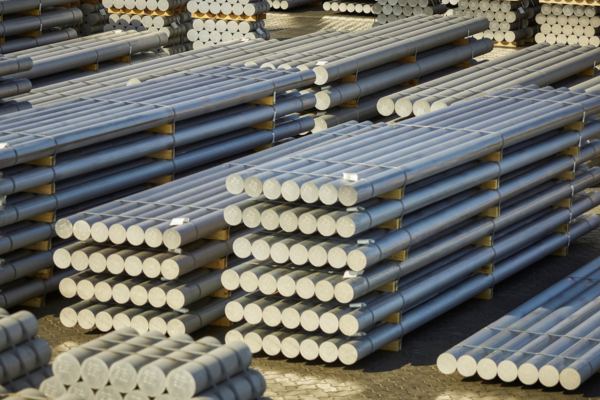
Electric arc furnaces, using graphite electrodes, generate extremely high temperatures while offering precise control over chemical compositions to achieve superior billet quality. They are ideal for large-scale plants focused on producing high-quality billets. On the other hand, induction furnaces operate at a lower cost but face challenges in managing undesirable elements, risking consistent billet quality. This can result in less consistent billets for critical applications. Refining molten metal is a critical step after melting to protect billet quality. In electric arc furnaces, techniques such as oxygen blowing, slag formation, and alloy additions are implemented to ensure optimal billet quality. Click here to view Steel Billet.
These methods reduce impurities and control crucial components like sulfur, phosphorus, and dissolved gases. Superior refining enhances the uniformity and reliability of the billet during rolling. Slag removal also plays an essential role in billet production. Slag absorbs unwanted impurities and must be thoroughly removed from the molten steel. Improper slag removal may leave oxide or sulfide particles behind. This leads to surface defects or internal weaknesses in the billets.
Precision in timing and temperature control is paramount at this stage to ensure billet quality. Raw material selection determines melt consistency and final billet quality. Furnace choice affects composition accuracy significantly. Refining depth influences defect prevention directly and is key to billet quality. Slag management ensures internal purity standards. These steps define billet structural reliability and overall billet quality fundamentally.
Casting and Finishing Techniques for Billet Integrity
Once refined, molten steel is transferred into a continuous casting machine—a highly efficient production method that boosts output speed while improving structural integrity. During this process, molten steel flows through a cooled copper mold, gradually solidifying into continuous billets. Temperature consistency is vital in this phase to prevent solidification cracks from forming. After solidification begins, billets pass through the secondary cooling zone. Here controlled water sprays reduce their temperature gradually. Click here to view Steel Billet.
The rate of cooling needs careful adjustment since rapid cooling can cause internal stresses and micro-cracks. Overly slow cooling may result in undesirable grain structures affecting billet performance. The cutting stage follows as semi-solid billets exit the caster and are trimmed to specific lengths using hydraulic shears or torches. Precision in cutting is essential, as dimensional inaccuracies can disrupt rolling mill processes or lead to waste material. Billets then undergo visual inspection and quality checks.
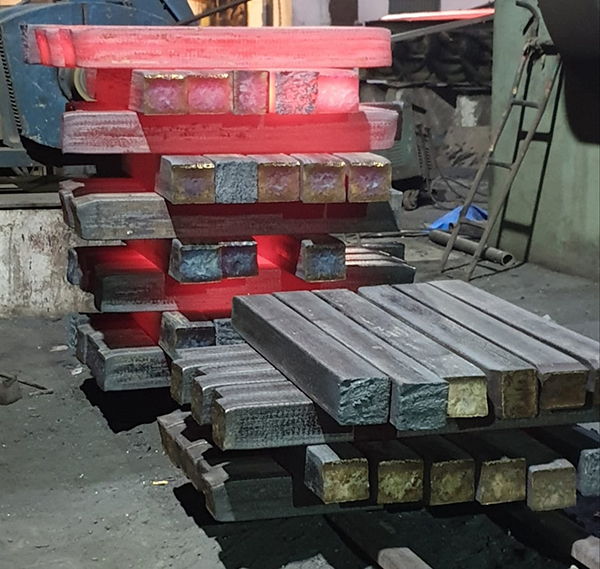
Inspectors identify issues such as surface cracks, blowholes, chipping, excessive scaling, or bending. Factories with stringent quality controls produce smoother, more reliable products valued by end users. The final steps involve bundling and preparing billets for shipment. Ensuring proper bundling techniques and verifying strap strength help maintain product integrity during handling. Poorly bundled billets or weak straps can result in dents or deformation during transit. Cooling control prevents thermal shock damage. Click here to view Steel Billet.
Cutting accuracy ensures rolling compatibility and final billet quality. Inspection rigor catches latent flaws early to protect billet quality. Packaging strength protects during logistics and preserves billet quality. These finishing steps guarantee billet readiness for industrial use. Thermal management optimizes microstructure development for superior billet quality. Dimensional precision reduces downstream waste. Quality protocols build customer confidence consistently. Transport preparation prevents avoidable damage incidents that compromise billet quality.
Product Dimensions and International Standards
When you look at a steel billet, its size and shape aren’t just random; they’re absolutely essential! These precise dimensions and the standards behind them determine two crucial things: rolling efficiency and final product quality. The most fundamental piece is the billet’s cross section—that critical square shape found in sizes like 100×100, 120×120, 125×125, and 150×150 millimeters. Matching the chosen cross-section to rolling line requirements is essential. Deviating from standard sizes can cause blockages or increased material waste.
Another critical dimension is the length of the billet, typically supplied in standard lengths of 6 meters or 12 meters. Some factories offer custom lengths to meet specific needs. Precise control over billet length is vital since irregularities disrupt production and reduce rolling efficiency. Transporting longer billets demands specialized equipment and stricter safety protocols. The billet’s weight directly correlates with its size and length, impacting production costs. Reputable manufacturers ensure accurate bundle weights to avoid pricing errors.
Unusually heavy billets for their size might indicate structural inconsistencies like non-uniform density. Conformance to national and international standards is essential. Standards like ISIRI 3132, Russian GOST, or European EN outline chemical composition and dimensional requirements. Adhering to these ensures rolled products meet benchmarks for strength and durability. Dimensional tolerances specified by these standards are particularly important. Acceptable deviation limits are clearly defined; cross-section variations are permitted only within a few millimeters. Click here to view Steel Billet.
Billets exceeding these tolerances cause rolling irregularities like machine vibrations or surface anomalies. Cross-section uniformity enables smooth mill operation. Length consistency prevents production stoppages. Weight accuracy ensures fair commercial transactions. Standard compliance guarantees interoperability globally. Dimensional precision reduces equipment wear significantly. Tolerance adherence maintains product uniformity reliably. These factors collectively define billet usability metrics.
Straightness and Surface Geometry Requirements
The presence of bending or warping in billets is a critical dimension-related concern. Straightness is key, as bent billets can damage bearings and rollers during feeding into mills. Standards set maximum allowable curvature per meter of length, and top-tier manufacturers maintain minimal bending. Properly packed bundles with uniform strapping prevent accidents during transportation and handling. Poorly secured bundles compromise safety and may deform billets. The quality of billet cross-sections and corners is another controlled aspect.
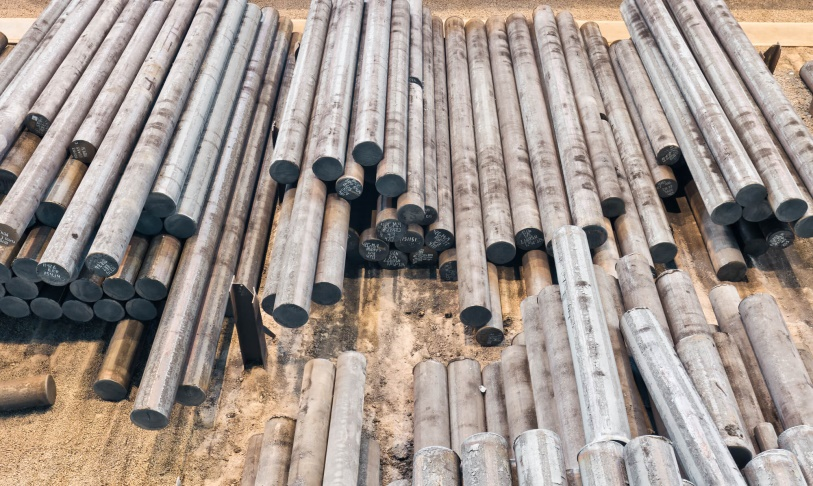
Damaged or uneven corners can impede smooth rolling operations. Quality standards outline acceptable corner conditions to prevent processing problems. Likewise, straightness of the surface is crucial; defects like excessive scale, micro-cracks, or uneven cavities signify poor casting practices. Left unaddressed, such flaws deteriorate during rolling, affecting end product integrity. Consistent adherence to dimensional standards ensures high rolling efficiency and superior end-product quality both structurally and visually. Buyers assess billet quality by reviewing certifications and verifying dimensions.
Manufacturers complying with standards deliver stable, reliable products minimizing production risks. Straightness tolerance prevents mill damage effectively. Corner integrity ensures even pressure distribution. Surface flatness avoids roller marking incidents. Bundle security maintains dimensional accuracy during transit. Geometry control reduces waste in downstream processes. Precision standards enable automation compatibility. These requirements safeguard production continuity.
Appearance and Surface Quality Indicators
When you pick up a steel billet, don’t just see a piece of metal, look closer at its skin! The appearance and surface finish are absolutely everything. Why? Because surface quality is the ultimate gatekeeper. If flawed, the whole rolling process suffers, and your final steel product deteriorates. That skin tells how well melting, casting, and cooling were handled. Smooth and uniform billets free from irregularities indicate stable manufacturing conditions. They perform optimally in later processing stages. One essential aspect is surface cracks. Click here to view Steel Billet.
These can arise from improper solidification, thermal stress, or chemical inconsistencies. If unaddressed, cracks propagate during rolling, potentially causing fractures. Even microcracks highlight production weaknesses. Surface defects like scaling or thick oxide layers occur when temperature control during casting is inadequate. Heavy scaling detaches during rolling, causing dents and surface irregularities. Precise temperature management prevents such issues. Another defect is surface blowholes or pits, caused by trapped gases during solidification. Deep blowholes undermine structural integrity.
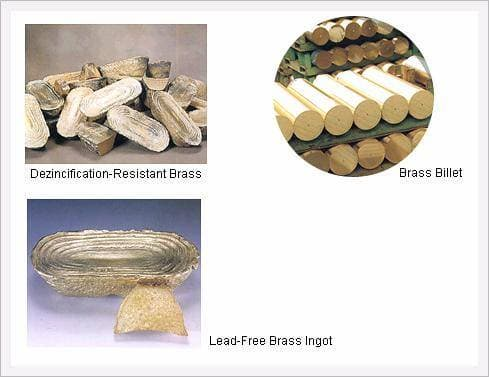
Shallow ones evolve into larger flaws during rolling. These defects indicate casting problems requiring correction. The condition of billet corners and their quality also matters. Chipped or uneven corners disrupt rolling mill operations by causing jamming. Clean and sharp corners evidence proper molding and cooling. Surface uniformity must be examined thoroughly. Defects like wavy patterns or bulges stem from continuous casting issues. They affect both rolling and final product quality. Minor superficial rust may be acceptable, but deep rust points to poor storage. Click here to view Steel Billet.
Extensive rust increases material loss during rolling. Surface warping stems from unbalanced solidification or rapid cooling. Billets with smooth surfaces pass efficiently through rolling stands. Edges should be inspected for fine cracks or chipping. Perfectly smooth edges signify better structural integrity. Appearance remains a reliable quality indicator. Clean surfaces minimize finishing costs significantly. Defect-free billets enhance yield rates noticeably. Visual inspection prevents downstream failures proactively. Surface quality defines customer satisfaction metrics.
Manufacturer Reputation and Production Capabilities
When you’re shopping for billets, don’t just look at the metal; look at the name behind it. Checking the manufacturer’s brand and history is non-negotiable! The biggest names carry strict quality standards, modern equipment, and decades of steel-making know-how. A factory with extensive experience has perfected its process. They produce consistent billets that fit perfectly into your rolling line. The producer’s background highlights its ability to manage raw materials and control chemical composition.
Manufacturers using high-grade sponge iron and clean scrap produce billets with stable properties. This stability minimizes variations during rolling and enhances final product quality. Renowned manufacturers invest in cutting-edge technologies like modern electric arc furnaces and advanced continuous casting machines. These innovations address internal and surface defects effectively. A rich production history marks a factory’s ability to meet international standards like EN, GOST, or ISIRI. Such compliance demonstrates commitment to quality-control systems. Consistency in production without frequent interruptions underscores reliability. Click here to view Steel Billet.
Factories with stable records minimize downtimes critical for rolling mills. Leading manufacturers establish efficient distribution networks ensuring proper packaging and timely delivery to protect billet quality. Their expertise in safe loading and handling preserves billet quality throughout transit. By contrast, less experienced manufacturers encounter more logistical challenges. Market reputation reflects reliability. Factories with earned trust deliver stable quality, including consistent billet quality. Customer satisfaction patterns offer valuable insights on this. Technical proficiency of production teams is crucial. Skilled professionals in melting and casting mitigate errors and ensure superior billet quality.
Expertise is evident in output consistency. Strong history includes accurate certifications. Established brands supply detailed chemical analyses per batch. Brand reputation reduces purchasing risks substantially. Experience ensures process stability reliably. Technology investment prevents defect formation proactively. Certification transparency builds buyer confidence visibly. These factors collectively determine billet supply chain security.
Transportation Protocols and Packaging Integrity
Getting billets from the factory gate to your production line safely is a big deal. Packaging and transportation protect your investment. Proper handling prevents deformation, surface damage, and corrosion. When managed right, billets arrive ready for rolling or machining. Given their weight and large bundles, stability and safety are essential. Loading methods matter significantly. Billets should be loaded using cranes or lifting magnets capable of supporting weight without causing dents. Inappropriate methods like dragging on rough surfaces lead to defects. Click here to view Steel Billet.
Securing billets during transit is equally important. Bundles must be tightly fastened with high-strength steel straps to prevent shifting. Loose straps cause bundles to move or collapse, creating hazards. Transport vehicles should have anti-slip flooring for load stability. Packaging quality reflects factory standards. Proper bundles contain uniform billet counts strapped securely at multiple points. Neat arrangements reduce collisions during transport and simplify unloading. Corrosion protection is vital. Billets must be shielded from prolonged moisture exposure.
For humid routes, coverings are essential to protect loads and billet quality. Excessive corrosion affects surface quality and increases waste. Vehicles must suit bundle weight and dimensions. Overloading trucks leads to structural failures endangering cargo and road users. Certified heavy-duty trailers minimize vibrations that scratch surfaces and harm billet quality. Periodic inspections are crucial for long hauls. Vibrations and temperature shifts can loosen straps. Drivers should monitor loads at scheduled intervals. Careful unloading prevents abrupt impacts that deform billets and degrade billet quality. Unloading areas should be flat and stable.
After transportation, warehousing affects preservation. Billets should be stored on dry, elevated surfaces with ventilation. Stacking height must prevent compressive deformation. Effective transportation preserves quality throughout the journey. Factories with stringent protocols reduce damage rates. Proper handling ensures downstream production efficiency. Load security prevents roadside incidents significantly. Moisture barriers maintain surface integrity visibly. Vibration control protects dimensional accuracy. These measures guarantee billet readiness upon arrival.
Pricing Strategy and Documentation Verification
When it’s time to decide on buying billets, focus shifts to numbers. Price, transportation costs, and payment terms drive purchasing decisions. These factors define transaction cost-effectiveness. Billet market dynamics tie to global steel prices, exchange rates, and supply-demand trends. Buyers must monitor these variables carefully. Working with stable suppliers offering predictable pricing minimizes financial uncertainties. Transparency in pricing is vital. Trustworthy sellers provide detailed cost breakdowns including per-ton price and service charges.
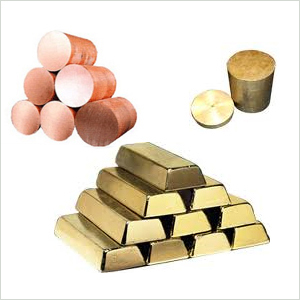
A lack of clarity leads to disputes or unexpected expenses. Pricing variations may reflect quality differences, including variations in billet quality; reviewing specifications alongside costs enables informed comparisons. Transportation costs require precise evaluation. Distance, transport type, and route accessibility influence shipping expenses. Heavier bundles may need specialized equipment adding to costs. Buyers should ascertain if delivery services are included to safeguard billet quality. Road conditions impact logistical costs. Poor infrastructure prolongs transit or requires durable vehicles. For remote areas, timely scheduling prevents production disruptions and preserves billet quality. Fuel prices and taxes cause shipping fluctuations.
Confirming rate validity periods avoids delivery surprises. Long-term logistics contracts stabilize costs and help maintain consistent billet quality. Hidden costs like loading fees warrant attention. Some manufacturers include crane services; others bill separately. Verifying service inclusion prevents delays that can compromise billet quality. Payment terms affect financial planning. Cash payments may bring discounts; deferred arrangements increase costs. Selecting structures aligning with cash-flow capacity prevents strain. Certain suppliers demand advance payments heightening buyer risks. Written guarantees or partial payments upon delivery create balance. Banking instruments like letters of credit incur fees requiring assessment against the value of billet quality.
Comprehensive analysis considers all elements together. Focusing solely on per-ton price skews evaluations. Smart buyers identify cost-effective options reducing unexpected outlays. Paperwork is your protection! Documentation validates material honesty and quality. Records provide peace of mind confirming reliable supply. Skipping paperwork risks receiving misrepresented material. The mill test certificate (MTC) is key. It verifies element percentages like carbon and sulfur through laboratory analysis. Buyers depend on MTCs to determine production alignment. Click here to view Steel Billet.
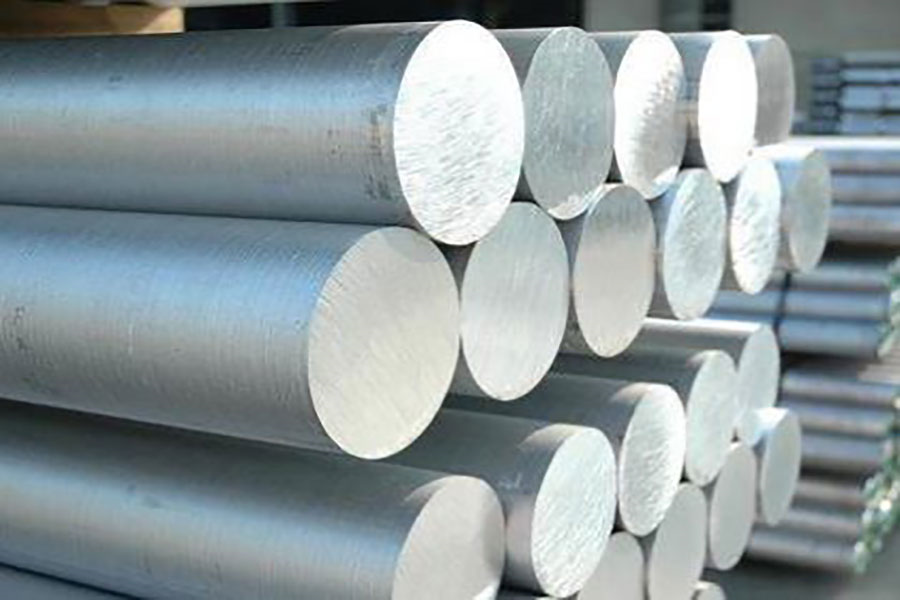
Mechanical properties reports offer yield strength and elongation insights. These confirm compliance with national standards. Heat numbers connect physical billets to certificates. Traceability minimizes fraud and identifies problematic batches. Inspection reports from manufacturers or third parties enhance quality assurance. They confirm visual and dimensional inspections per standards. Shipping documents like bills of lading specify quantity and weight. Buyers check for discrepancies using these records. Commercial invoices detail pricing and tax provisions. Accurate invoicing prevents financial conflicts.
Quality assurance certificates declare controlled production processes that protect billet quality. ISO-certified suppliers demonstrate higher consistency standards for billet quality. Regulatory documents confirm local law compliance. Missing paperwork causes customs delays or shipment rejection. Comprehensive documentation safeguards against operational risks that threaten billet quality. Verifying all papers reduces production problems significantly. Financial clarity prevents budget overruns proactively. Traceability enables recall management efficiently to secure billet quality. Certification validity ensures specification adherence reliably. These elements collectively secure billet procurement integrity and final billet quality.


No comment