
 En
En
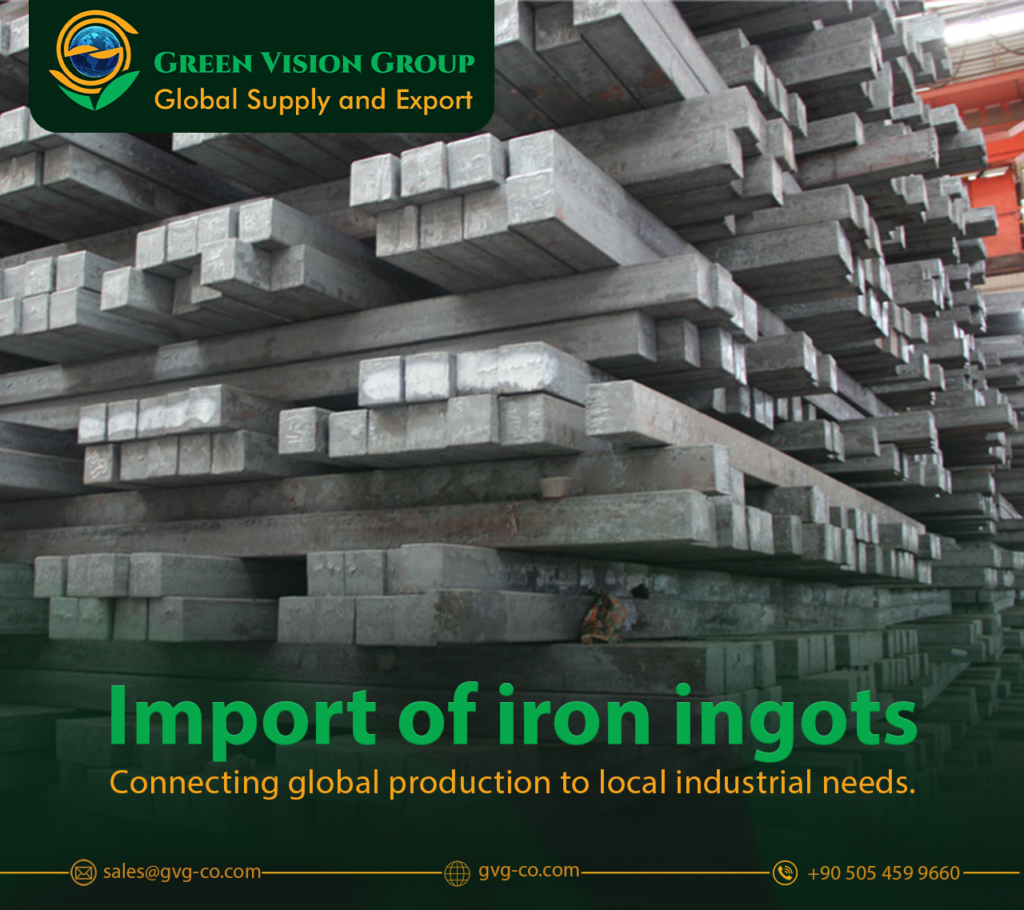
The process of importing iron ingots into Iran is governed by a comprehensive set of laws and regulations that must be adhered to at every stage. First and foremost, iron ingots are classified as goods regulated by the Ministry of Industry, Mine, and Trade. Importers need to have a thorough understanding of these legal requirements before initiating any action. A critical prerequisite for legal importation is obtaining an import registration permit from the Ministry of Industry, Mine, and Trade.
Without this permit, it is impossible to register shipments with customs or complete the clearance process. The permit is issued based on the customs tariff code of the goods and outlines specific conditions and allowable quantities for import. Further, many shipments require a standards certificate, as iron ingots must meet the quality and technical standards set by the National Standard Organization of Iran.
Importers are responsible for ensuring compliance with these standards since any deviation may lead to shipment rejection or financial penalties. Customs tariffs and taxes applicable to the import of iron ingots must also be reviewed in advance. These tariffs, determined by the customs tariff code, can include value-added tax, special duties, and other fees. Importers need to factor these costs into their financial planning to prevent unexpected challenges.
Certain shipments might also be subject to either quantitative or qualitative restrictions, particularly when the government aims to protect domestic production. This could mean limitations on the volume of goods imported or the necessity for additional approvals. Staying updated on recent circulars and announcements from the Ministry of Industry is essential in such cases. Regulatory awareness prevents costly clearance failures.
Documentation and Compliance Requirements
Importers must ensure that all international contracts and commercial documents comply with local regulations. This encompasses commercial invoices, bills of lading, packing lists, and certificates of origin. Any discrepancies between these documents and customs guidelines could result in clearance delays or even confiscation of goods. Moreover, compliance with environmental and safety regulations is crucial.
The importation of iron ingots must align with Iran’s environmental and safety standards, especially concerning the transportation and storage of heavy metallic materials to mitigate associated risks. Payment settlement through foreign channels is another area governed by strict regulations. The Central Bank of Iran has laid out specific rules for currency transfers, mandating the use of official, registered channels to avoid financial or legal complications. Click to view the steel billets.
Post-arrival obligations are equally important. These include submitting required documents to customs authorities, paying necessary duties and fees, and ensuring that quality standards are maintained during both clearance and storage. Failure to fulfill any of these requirements could result in fines or confiscation of goods. Finally, staying informed about ongoing regulatory changes is vital, as import regulations for metallic goods can shift due to economic policies or efforts to bolster local production.
A robust monitoring system combined with guidance from legal and customs experts can help prevent potential problems down the line. Documentation accuracy ensures smooth customs passage. Regulatory compliance safeguards against legal exposure. Currency transfer adherence prevents banking penalties. These protocols collectively secure import integrity.
Quality Assessment and Technical Specifications
Assessing the type of ingot is a critical step in the process of importing iron ingots. Different types, such as raw steel, alloy steel, or pure iron, are designed for specific industrial applications. Proper identification at the outset ensures smooth operations and prevents complications during production. Equally important are the dimensions and weight of the ingot.
Industry standards specify parameters like length, width, height, and weight. Deviations from these standards can cause challenges in storage, transportation, or integration into production systems. The chemical composition plays a vital role in determining the quality and performance of an iron ingot. Key elements such as carbon, phosphorus, sulfur, manganese, and silicon influence its mechanical and physical properties. Click to view the steel slab.
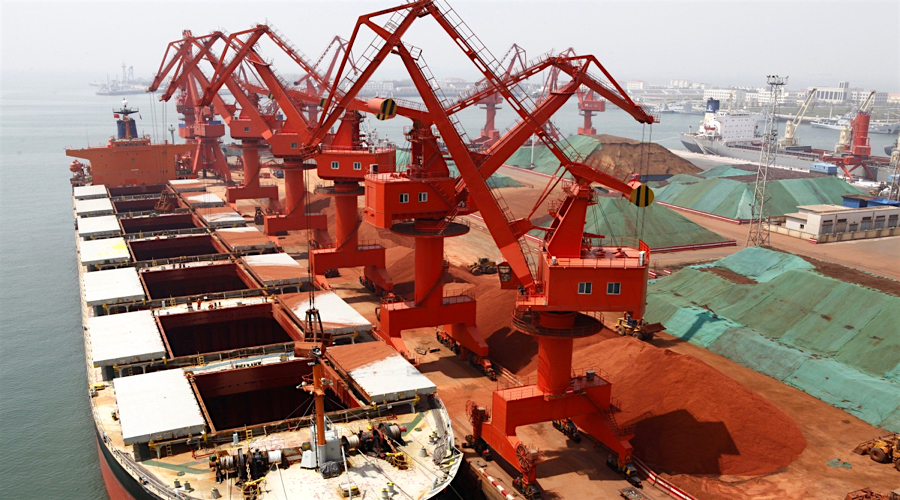
A thorough analysis of these components prior to purchase guarantees a reliable end product. Another indicator of quality is the density and compactness of the metal. Anomalies in density might signal voids, impurities, or flaws in the casting process, which could compromise the ingot’s functionality in its intended application. Inspecting the surface condition is just as essential.
Cracks, rust, holes, or stains are often signs of poor manufacturing or improper storage. High-quality iron ingots typically feature smooth and uniform surfaces. The Certificate of Analysis (CoA) is an indispensable document in this context. Issued by the manufacturer, it provides detailed information on the chemical and physical properties of the ingot.
Reviewing this certificate before committing to a purchase offers both technical validation and legal security for importers. Quality verification prevents production defects effectively. Dimensional accuracy ensures equipment compatibility. Surface inspection catches latent flaws early. CoA review validates supplier claims reliably. These steps define technical due diligence.
Standards Compliance and Production Integrity
Adhering to international and national standards is non-negotiable when it comes to importing ingots. Standards like ISO, ASTM, and ISIRI outline quality and dimensional requirements that must be met to ensure consistency and reliability. Mechanical properties, such as tensile strength, hardness, flexibility, and machinability, are also pivotal considerations.
These features should align with the chemical composition and adhere to relevant standards to suit the ingot’s intended use. The production methods and casting processes employed have a direct impact on the final quality. Issues like improper heating or incorrect cooling can introduce internal stresses or undesirable alterations to mechanical properties.
For this reason, evaluating the manufacturer’s reputation and production techniques is a necessary step. Lastly, packaging and storage conditions prior to shipment play a key role in preserving the ingot’s integrity. Protecting ingots with suitable coverings, ensuring they remain dry, and preventing collisions or damage during handling are critical measures to maintain their physical and chemical qualities until they reach their destination. Click to view the steel slab.
Standard compliance enables market acceptance. Process evaluation prevents internal defects. Packaging quality protects during transit. Storage protocols maintain surface integrity. These factors collectively ensure functional reliability.
Supplier Vetting and Commercial Evaluation
The initial step in choosing a supplier involves assessing the company or factory’s credibility and track record. A reliable supplier typically has a proven history of successful international exports and can furnish the necessary legal and technical documentation for their products. Evaluating production capacity and supply volume is crucial.
The supplier must have the ability to deliver the required quantity within the agreed timeframe. Failing to meet this requirement may result in production delays and logistical complications. The consistency in product quality is another essential factor. Examining past samples, quality certifications, and customer feedback is critical for determining the reliability of the supplier’s goods, particularly the iron ingots offered.
Pricing plays a pivotal role in supplier selection. Comparing costs across multiple vendors, while factoring in additional expenses such as shipping, insurance, and customs duties, is necessary to achieve an optimized total import cost. Another important consideration is payment terms and financial arrangements. The supplier should outline secure and transparent payment conditions. Click to view the steel slab.
If advance payments are involved, it is vital to mitigate any potential financial risks. Timely delivery and adaptability to urgent orders also hold great significance. Suppliers capable of handling sudden changes in volume and responding swiftly to emergency demands are especially valuable. Supplier reliability reduces operational uncertainty. Capacity verification prevents supply gaps.
Quality consistency ensures production stability. Pricing transparency enables fair comparison. Payment security protects financial exposure. These criteria define strategic sourcing decisions.
Geopolitical and Service Considerations
The geographical location of the manufacturing facility and the country of origin are additional considerations. Importing from countries that maintain favorable trade relations with Iran typically simplifies customs procedures, expedites shipping, and minimizes both legal and currency related risks. Adherence to international and local standards is fundamental. Suppliers that comply with ISO, ASTM, or Iran’s national standards are more likely to produce high-quality iron ingots suitable for your needs. Post-sales service and technical support are equally important factors. A supplier offering reliable assistance with technical problems or quality issues proves to be more dependable for long-term collaboration.
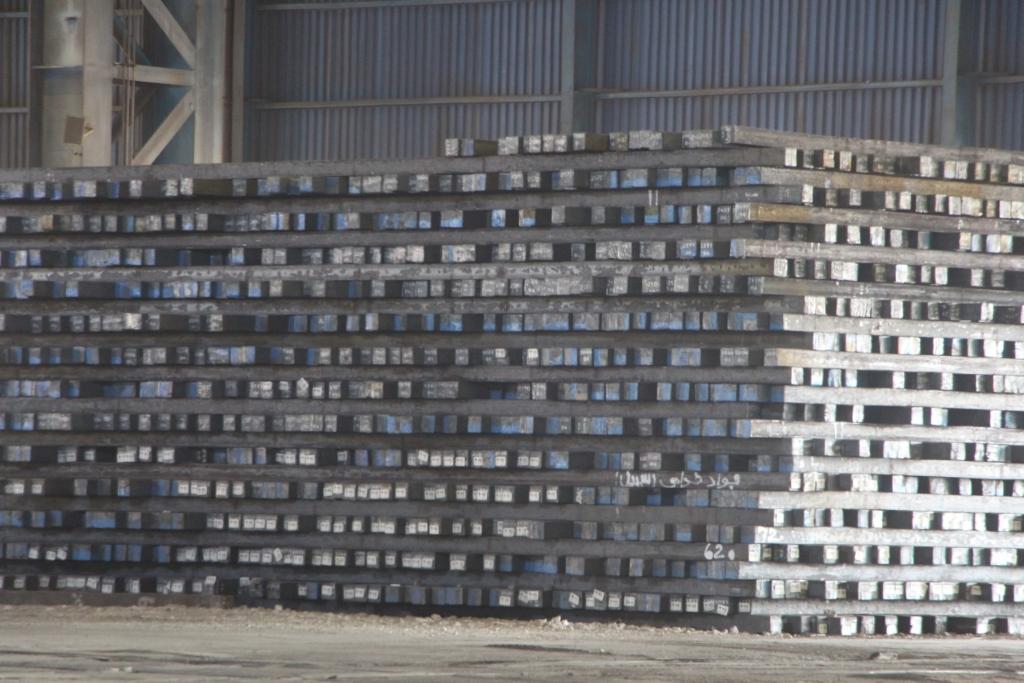
Lastly, building trust through strong personal relationships is vital. Open communication, transparency in interactions, and prompt responsiveness can help eliminate many challenges associated with importing, paving the way for a sustainable partnership. Geographic proximity reduces logistics complexity. Standard alignment ensures technical compatibility. Service support mitigates post-delivery risks. Relationship quality enables conflict resolution. These elements foster resilient supply chains. Trust-based partnerships enhance collaboration efficiency. Long-term engagement drives mutual growth reliably.
Transportation and Logistics Management
Planning suitable transportation methods is a crucial step when importing iron ingots. Due to their considerable weight and large volume, the chosen mode of transport greatly influences costs, delivery speed, and cargo safety. For international shipments, maritime transport is the preferred choice for iron ingots.
It is cost-efficient for transporting large quantities and facilitates delivery from distant locations. However, it requires factoring in extended transit times and proper port scheduling to ensure smooth operations. Rail and road transport provide better options for imports from neighboring countries. These methods offer faster delivery compared to maritime shipping and are more economical for short distances. Click to view the steel slab.
Nonetheless, the availability of routes and capacity constraints must be carefully evaluated. Ensuring cargo insurance is a crucial aspect of logistics. Heavy metal shipments face risks such as accidental damage, weather-related impacts, or physical harm during transit. Adequate insurance coverage guarantees financial protection in case of any unforeseen incidents. Customs clearance planning should occur concurrently with transportation arrangements.
Preparing documents like invoices, bills of lading, packing lists, and certificates of origin is necessary to ensure a hassle-free iron ingot import customs process with minimal delays. Appropriate storage upon arrival is equally important. Iron ingots must be kept in a dry, accessible location with strict adherence to safety measures to prevent damage or rust formation.
Operational Coordination and Cost Control
Effective coordination between all key parties including suppliers, shipping providers, and importers is essential. Proper scheduling of delivery times, loading, and unloading procedures minimizes delays and avoids extra costs. Additional expenses associated with transportation need careful consideration. Apart from freight charges, costs for loading, unloading, storage, port services, and customs processing represent a substantial portion of the total import expenditure.
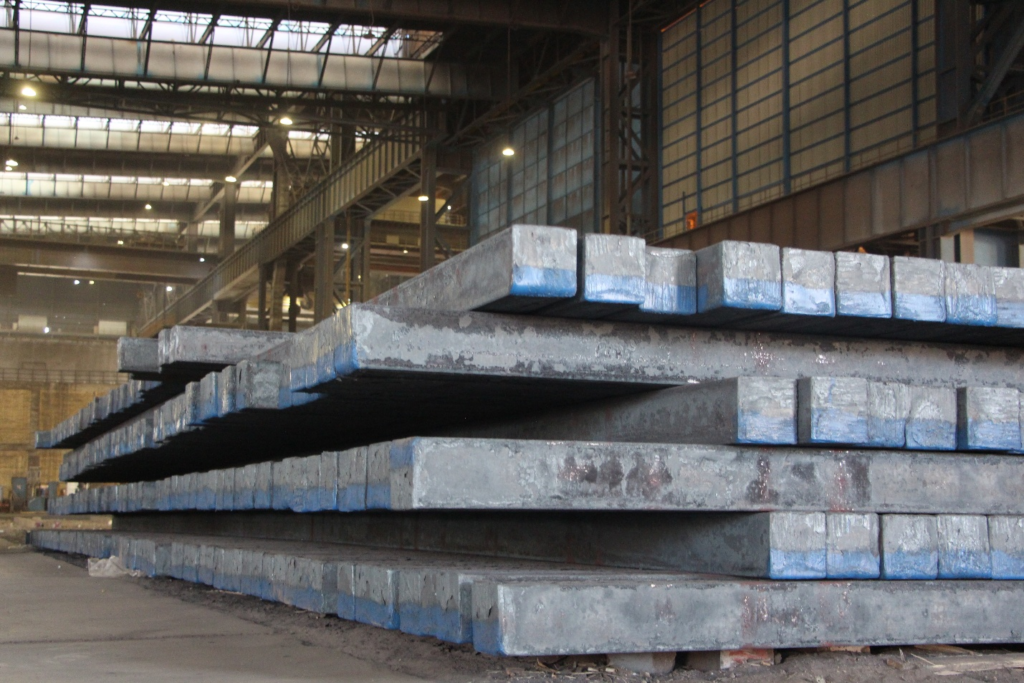
Investing in suitable handling equipment for domestic operations is indispensable. Utilizing cranes, forklifts, or standard handling tools not only protects the ingots but also ensures workplace safety during the handling process. Finally, consistent monitoring and tracking of the logistics chain are vital. Keeping records of schedules, transport conditions, environmental factors such as temperature and humidity, and cargo status allows importers to quickly address potential issues while safeguarding their investment. Click to view the steel billets.
Coordination prevents operational bottlenecks. Cost transparency enables accurate budgeting. Equipment investment reduces handling damage. Monitoring ensures proactive issue resolution. These practices optimize supply chain performance.
Domestic Market and Competitive Landscape
The initial step in assessing the domestic iron ingot market involves evaluating the overall demand from local industries. Key consumers, including steel manufacturing, casting, automotive, and construction sectors, play a significant role as shifts in their production levels or requirements directly impact overall demand patterns. Understanding the market pricing of iron ingots is equally important.
Prices can vary between commodity exchanges and the open market, while global fluctuations in steel and iron ingot prices directly influence local rates. Analyzing price trends can also reveal whether importing iron ingots is a cost-effective option. Assessing competition with local production remains a critical factor. Domestic iron ingot manufacturers exist, and any consideration of imports must account for competitive advantages in terms of price and quality to secure a strong foothold in the market.
Studying historical import and export data sheds light on supply and demand dynamics over time. This information is invaluable for forecasting future trends and making strategic decisions regarding import volumes. Currency trends are another crucial factor in market evaluation. A rising dollar exchange rate increases the cost of importing iron ingots, potentially reducing their economic viability. As such, monitoring exchange rate fluctuations is an essential part of the analysis. It is also necessary to examine macroeconomic conditions and governmental policies. Policies that favor or hinder domestic production, as well as tariffs and import duties, significantly influence the feasibility and attractiveness of importing iron ingots. Market intelligence drives strategic positioning.
Risk Mitigation and Financial Strategy
The foremost risk involves currency fluctuations. Variations in the value of the dollar or other foreign currencies can heavily influence the cost of importing ingots. Without efficient strategies in place, such changes may adversely affect the profitability of these imports. Another significant concern is the volatility of global steel and iron prices. Market shifts can lead to sudden spikes in ingot prices, undermining the importer’s financial planning and creating budgeting challenges. Financial issues tied to international payments and currency transfers are also critical. Relying on unofficial channels or encountering banking complications may lead to legal breaches and financial losses. Changes in customs tariffs and duties present yet another risk.
Government adjustments to tariffs or import duties can directly influence costs, necessitating foresight and adaptability from importers to mitigate potential disruptions. Delays in customs clearance are another notable risk. Such hold-ups can result in higher storage expenses, penalties, and missed delivery deadlines, all of which place strain on the importer’s cash flow. Problems related to foreign manufacturers or suppliers also pose significant concerns.
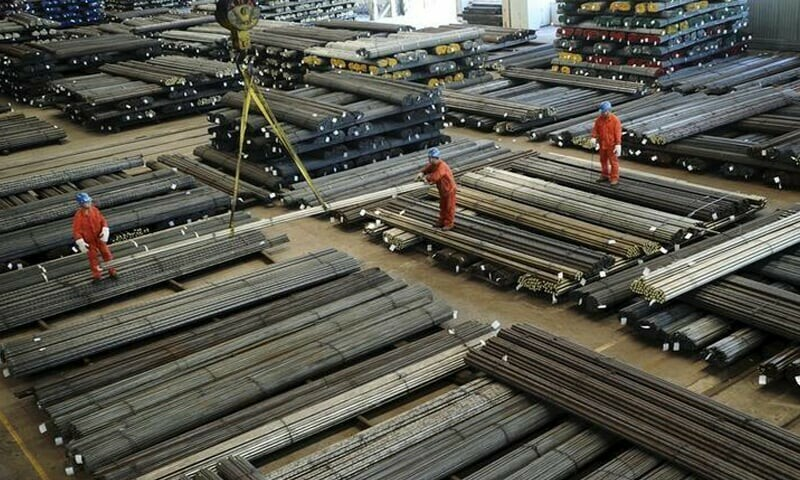
Inconsistencies such as not receiving the agreed quantity, late deliveries, or poor-quality iron ingots can lead to financial setbacks. Robust contracts and guarantees are essential safeguards against these risks. Logistical and transportation challenges add further complexities. Shipment damage, accidents, or transportation delays can generate extra expenses and financial losses.
These risks require careful coordination, planning, and adequate insurance. International policies and sanctions represent another possible hurdle. Trade restrictions involving certain countries can abruptly halt imports or inflate their costs. Effective management of cash flow and import budgets is vital. Importers must ensure they can cover expenses like advance payments, shipping fees, customs duties, and insurance to prevent financial difficulties throughout the process.
Lastly, robust risk management strategies include diversifying both suppliers and funding sources. Establishing relationships with multiple suppliers and maintaining fallback financial options can minimize disruptions and ensure long-term stability in import operations. Currency hedging reduces forex exposure. Supplier diversification prevents single-point failure. Insurance coverage limits loss liability.
Conclusion
In conclusion, mastering the import of iron ingot into Iran is a complex but manageable endeavor that hinges on a systematic and informed approach. It requires an unwavering commitment to navigating the country’s detailed legal and regulatory landscape, ensuring every shipment complies with ministry decrees, quality standards, and customs protocols.
The journey begins with rigorous technical due diligence, where the specific type, chemical composition, and physical properties of each iron ingot are verified against both international and national benchmarks. This technical scrutiny must be paired with strategic commercial decisions, including thorough supplier vetting for reliability and the careful planning of cost-effective and secure logistics routes.
Equally critical is a proactive stance on risk management, addressing potential challenges from currency volatility and global price shifts to customs delays and geopolitical factors. By implementing robust financial strategies and diversification plans, importers can protect their operations from unforeseen disruptions. Click to view the steel billets.
Ultimately, the successful and sustainable import of iron ingot is achieved by building a seamless integration of compliance, quality control, and strategic sourcing. This holistic framework not only ensures the consistent supply of a high-quality iron ingot for Iran’s industrial sector but also transforms regulatory adherence into a tangible competitive edge, fostering long-term stability and profitability in a dynamic market.


No comment