
 En
En
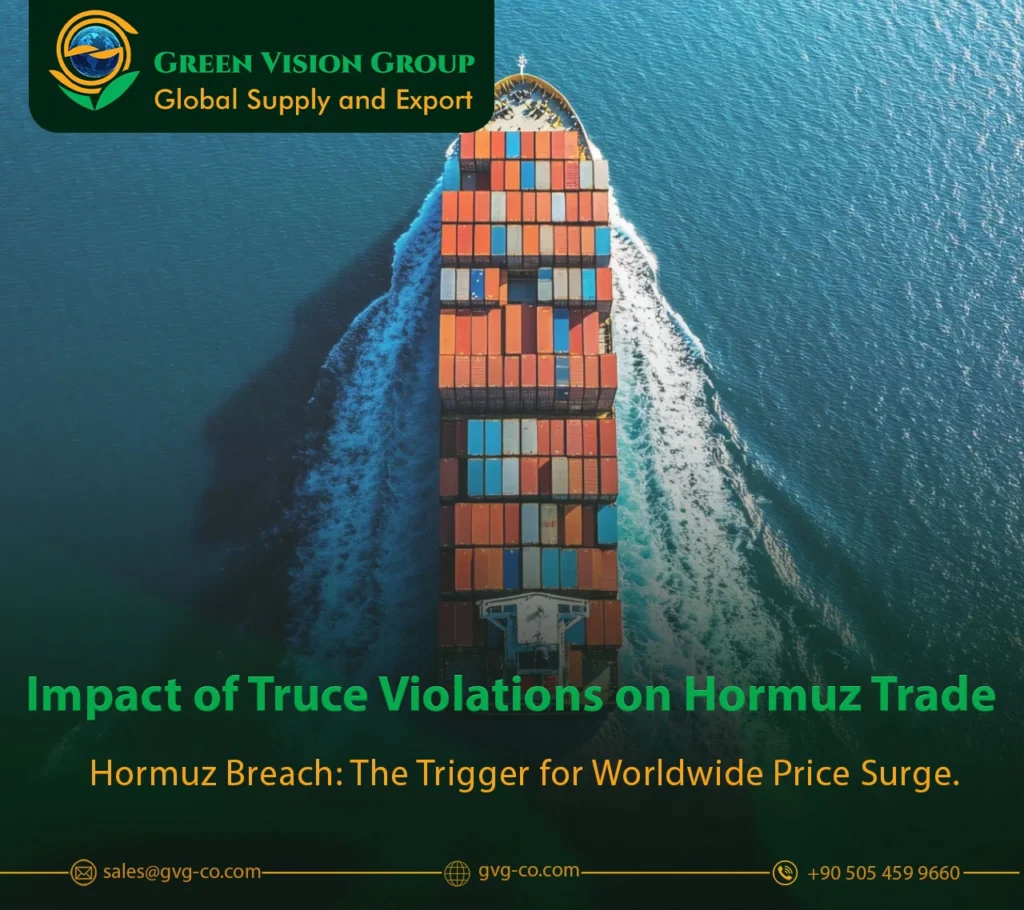
A breakdown in maritime stability leaves Iran as the biggest loser in the aftermath of a ceasefire violation. The immediate spike in international insurance rates and the halting of commercial vessel operations effectively choke off Iran’s crude oil exports through the Strait of Hormuz. This vulnerability is deeply rooted in Iran’s dependence on this narrow waterway for nearly all of its shipments. Even if Iran plays no role as the instigator, a broken ceasefire generates market panic that heavily disrupts its trade flow. The United States has consistently leveraged these weaknesses to strengthen its influence in the region, further limiting Iran’s strategic options when disruptions occur in the Strait of Hormuz.
Iran’s foreign currency revenue largely hinges on the uninterrupted flow of tankers through critical maritime chokepoints. However, when ceasefires collapse, secondary sanctions are enforced more rigorously, and Western naval patrols increase their presence, effectively forming a blockade that the United States uses as a tool for economic pressure. In such scenarios, risk-averse shipping companies often pull their vessels to avoid legal complications, which leads to a significant reduction in exports via the Strait of Hormuz. This abrupt decline forces Iran to grapple with serious financial deficits, necessitating emergency budget adjustments that disrupt domestic economic strategies. Given the lack of alternative infrastructure, even a temporary halt in maritime activity quickly translates into widespread economic instability within the country.
For a Comprehensive guide on the new export rules visit this article.
Efforts to address the issue through overland pipeline networks have been made, but these systems fall far short of compensating for losses incurred in maritime trade. The southern coastal route offers only a fraction of the capacity needed to meet the export demands typically fulfilled via the Strait of Hormuz. When the United States intensifies its naval presence in response to a ceasefire breach, commercial operators uniformly adopt cautious measures, suspending all non-essential transit. Diplomatic attempts to provide reassurance repeatedly fail, as the high logistical costs of rapid adjustments make substitution nearly impossible. As a result, Iran’s economic stability becomes the first casualty of maritime disruptions, regardless of who bears responsibility in any given ceasefire situation.
America and Military Presence; Stabilizing or Undermining the Ceasefire?
The United States’ strategic approach in the Persian Gulf plays a critical role in determining whether maritime stability can endure violations of a ceasefire. When naval forces identify unauthorized activity near key shipping routes, swift response protocols are enacted, deploying state-of-the-art destroyers and surveillance systems. This dynamic places the fragile equilibrium that underpins Hormuz Strait exports at risk, as every new warship on the scene adds complexity to diplomatic efforts. Iranian officials argue that excessive U.S. military presence undermines maritime norms, leading to a cycle of heightened tensions that jeopardizes both regional stability and the longevity of ceasefire agreements.

Throughout history, the security framework in the Gulf has demonstrated that the United States rarely stays on the sidelines when transit routes are at risk. In the aftermath of ceasefire collapses, Washington often deploys carrier strike groups and coordinates with allied navies to establish visible deterrent corridors. However, an increased military presence in the region tends to reshape the psychological dynamics, triggering asymmetric responses that jeopardize the safe flow of exports through the Strait of Hormuz. Iranian coastal defenses, which include missile installations and swift attack craft, take advantage of the narrow maritime passages where large U.S. vessels face limitations in maneuverability.
Economic markets respond swiftly to U.S. military activities, prompting insurers and traders to adjust risk premiums within mere hours. The deployment of advanced radar systems and electronic warfare platforms conveys a dual message: a commitment to securing open trade routes and a veiled warning to states considering disruptions to exports through the Strait of Hormuz. Iran perceives such naval buildups not as defensive measures but as precursors to coercive actions. When the U.S. maintains extended military deployments without offering diplomatic solutions, tensions in the region solidify into deep-seated animosity, complicating efforts to restore ceasefires.
American sanctions as indirect breaches of ceasefires
The United States’ extraterritorial economic sanctions operate much like a form of economic warfare, effectively undermining the commercial systems needed to maintain consistent exports through the Strait of Hormuz. By imposing secondary sanctions on financial institutions involved in regional energy trade, global banking systems exclude targeted economies from standard payment mechanisms. This approach acts as a covert blockade, enabling the achievement of strategic goals without resorting to direct military conflict. Iran views these actions as intentional breaches of the informal ceasefire that ensures unimpeded maritime trade. Consequently, this financial exclusion pushes stakeholders to rely on obscure and less transparent financial pathways, destabilizing the conditions necessary for reliable exports through the Strait of Hormuz during periods of heightened tension.
The mechanics of economic coercion extend well beyond simple transaction restrictions, encompassing areas like shipping registries, reinsurance markets, and commodity clearinghouses all tools the United States strategically employs to exert pressure. When multinational companies pull out of Gulf-based logistics operations to avoid penalties, the infrastructure supporting exports through the Strait of Hormuz immediately suffers from reduced capacity. In response, Iran works to establish alternative trade mechanisms beyond traditional regulatory oversight, leading to a fragmentation of regional energy markets. However, these alternatives often fail to provide the pricing stability or contractual assurances that investors typically demand, creating volatility that complicates long-term supply chain planning.
The prolonged impacts of economic warfare become evident through disruptions in shipping routes and weakened maritime security measures. As the United States tightens financial sanctions, regional players turn to decentralized tracking technologies and alternative currency systems, further diminishing transparency. Iran leverages these gaps to sustain a minimum level of revenue at the cost of regulatory oversight, which is critical for preventing maritime accidents. This lack of operational clarity heightens the risk of collisions and hampers emergency response efforts, jeopardizing the secure flow of exports through the Hormuz Strait.
The collapse of Iranian oil exports as a trigger for ceasefire violations
Historical trends indicate that Iran faces significant revenue declines whenever maritime security deteriorates due to ceasefire breaches. Such events cause export volumes to drop below viable levels. Naval clashes or interception efforts tend to impose automatic risk premiums, discouraging commercial vessels from navigating disputed waters. Given the heavy reliance of Iran’s energy sector on stable tanker schedules, these disruptions often lead to logistical standstills as companies either reroute operations or halt them altogether in the Gulf. This sharp decline in export activities is closely tied to economic instability, forcing policymakers to grapple with budget deficits that hinder essential infrastructure and public services.
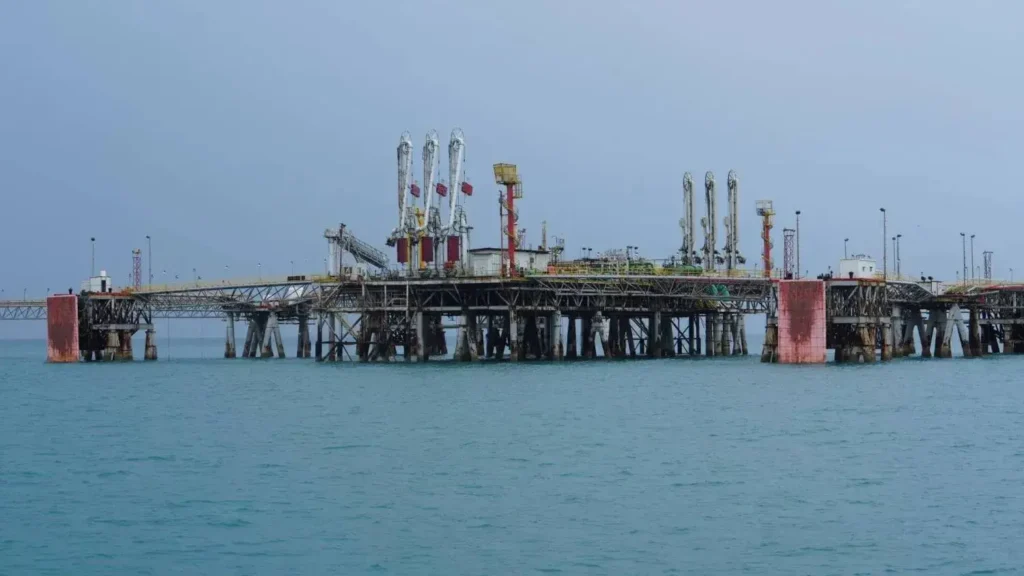
Iran’s reliance on petroleum logistics becomes increasingly apparent during periods of elevated maritime tensions, as storage infrastructure struggles to meet demand when loading operations are disrupted. In the event of ceasefire collapses, international compliance mechanisms come into play, triggering stricter inspection protocols that slow down the flow of commercial shipments. To address these challenges, Iran has explored decentralized storage facilities and mobile solutions, but these efforts have fallen short of restoring export levels through the Strait of Hormuz. The resulting supply chain disruptions lead to a chain reaction of economic consequences, including currency depreciation, rising inflation, and declining investor confidence.
The long-term decline in Iran’s energy export trajectory is driving systemic shifts in its trading relationships with traditional partners. As exports through the Strait of Hormuz decrease, state-owned trading companies increasingly rely on strategies like offering discounted prices and deferred payment terms to secure basic revenue streams. Recognizing the prolonged suppression of export volumes, Iran is pivoting toward alternative markets that are more willing to accept higher regulatory risks. Meanwhile, the United States continues to track emerging trade patterns closely, seeking weak points to refine its sanction enforcement strategies against these new networks. These evolving dynamics create a reinforcing cycle: reduced export capacities weaken Iran’s economic stability, further complicating future ceasefire negotiations.
Maritime Alliances and the Expenses of Safeguarding Exports
Multinational naval coalitions responding to ceasefire violations serve as a key strategy for the United States to safeguard commercial shipping while sharing the operational load with partners. In times of regional instability that threaten supply chains, Washington orchestrates joint patrols by leveraging maritime resources from Europe, Asia, and the Middle East, ensuring constant surveillance of critical waterways. However, Iran views these deployments not as measures to protect trade through the Strait of Hormuz but as a formal endorsement of U.S. naval dominance, perceiving them as a calculated strategy of encirclement. The complexities of coordinating multinational operations often result in communication gaps and jurisdictional disputes, which can undermine swift responses to emergent threats.
The financial framework supporting naval coalition operations shifts the burden of risk mitigation onto commercial shipping companies that rely on secure trade routes. When the United States implements escort protocols and establishes safe passage zones, freight insurers adjust premiums to account for reduced, though not entirely eliminated, risks. Iran is well aware that these increased operational costs significantly impact the economics of exporting through the Strait of Hormuz, rendering many smaller traders and marginal oil fields financially unsustainable in the face of heightened security demands. This dynamic drives market consolidation, favoring large international energy corporations with sufficient capital reserves to absorb the rising costs, while marginalizing regional traders who lack diversified financial support.
The long-term viability of multinational naval deployments hinges on a persistent political commitment from participating nations, many of which grapple with competing budgetary pressures. When coalition operations evolve beyond immediate crisis response, member governments often face legislative challenges regarding prolonged military spending. Iran exploits these vulnerabilities by employing targeted harassment strategies that test coalition limits without provoking full-scale engagement. This asymmetric tactic steadily undermines operational unity, compelling the United States to reevaluate its resource allocation and the feasibility of sustaining multinational escort missions. Over time, the strain on coalition logistics drives up the per-unit costs of safeguarding exports through the Hormuz Strait, heightening economic tensions.
Dark Fleet Activities and Black Market Trade Shifts
Iran increasingly relies on untraceable vessel networks as its primary strategy when traditional shipping routes are disrupted by ceasefire violations. With international registries imposing stricter compliance measures that exclude sanctioned entities, Iranian operators shift to decentralized ownership structures designed to mask the origins and routes of their cargo. The United States keeps a close watch on these clandestine operations through satellite monitoring and financial intelligence, acknowledging that fully shutting down such networks would be technically challenging without further escalation. This parallel trading system, operating beyond standard regulatory oversight, triggers fluctuations in pricing and complicates quality assurance processes, creating instability in global energy markets.
The mechanics of the dark fleet depend heavily on ship-to-ship transfer protocols, allowing cargo to be hidden within international waters, outside the reach of territorial jurisdiction. When ceasefire agreements collapse and patrols intensify, Iranian networks ramp up the frequency of transshipments, distributing risks by employing smaller vessels designed to evade tracking systems. In response, the U.S. deploys advanced maritime monitoring technologies, integrating vessel data with satellite imagery to uncover unauthorized transfers. However, the high volume of legitimate commercial traffic creates a layer of operational disguise, enabling covert movements during peak activity periods. By exploiting this environment of ambiguity, Iran continues to sustain its baseline exports through the Strait of Hormuz, effectively turning international waters into unregulated trading zones.
The long-term impact of sustained dark fleet operations significantly reshapes the structure of regional energy markets, introducing layers of systemic opacity that complicate diplomatic negotiations. When commercial activities bypass regulatory oversight, price discovery becomes skewed, allowing opportunistic actors to manipulate supply forecasts for speculative gains. Iran acknowledges that black market networks inherently lack reliable contractual mechanisms, increasing the risk of defaults and undermining their credibility over the long run. Meanwhile, the United States closely monitors these vulnerabilities, using them to justify heightened sanction enforcement. Washington interprets this opacity as a form of deliberate economic warfare rather than simply a means of survival.
Reciprocal Tanker Seizures and the Dynamics of Escalation
The strategic calculus behind vessel interdiction undergoes a significant shift when maritime security deteriorates in the wake of ceasefire violations, turning commercial shipping into a tool of geopolitical influence. When Iranian forces detain foreign-flagged tankers under the pretext of alleged infractions, international maritime law often takes a backseat to regional power struggles, where strategic posturing outweighs adherence to legal norms. The United States denounces these actions as unlawful coercion, responding by deploying naval forces to establish exclusion zones that safeguard maritime traffic while warning of potential reciprocal measures.
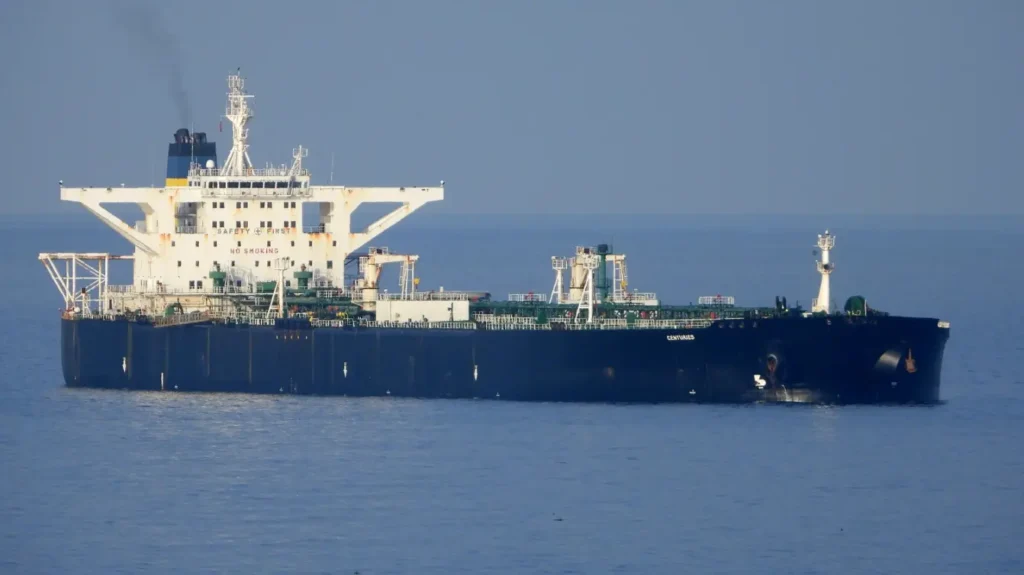
Reciprocal seizure dynamics revolve around the swift deployment of assets that exploit loopholes in international maritime law. When ceasefires collapse, coastal defense units mobilize fast-attack craft to intercept commercial ships operating within disputed waters. The United States responds by coordinating international legal efforts through maritime tribunals, aiming to establish precedents that condemn unilateral detention practices. Meanwhile, Iran views these legal maneuvers as bureaucratic delays that fail to address its pressing economic concerns and continues targeting vessels flying flags of convenience.
The long-term effects of ongoing reciprocal seizure campaigns lead to a deeply entrenched sense of maritime distrust, which fundamentally reshapes commercial shipping routes. When vessels are detained without transparent legal resolution, shipping companies respond by systematically diversifying their transit paths to limit exposure to unpredictable security risks. Iran views these routing changes as an unavoidable market adjustment, seemingly willing to accept lower transit volumes in exchange for retaining strategic control over international energy supply lines. Meanwhile, the United States closely tracks these diversification trends to evaluate the effectiveness of its naval deterrence strategy, recognizing that continued fragmentation results in reduced exports through the Strait of Hormuz and elevated global shipping costs.
Scenarios of Naval Mining and Disruption of Transit
The strategic use of naval minefields stands out as one of Iran’s most disruptive asymmetric tactics, capable of swiftly paralyzing maritime activity in response to ceasefire violations. When coastal units discreetly lay mines within international shipping routes, commercial shipping operations grind to a halt, with operators prioritizing the safety of their crews over adherence to cargo schedules. In response, the United States dispatches specialized mine countermeasure units equipped with advanced sonar systems and unmanned vehicles designed to detect and neutralize these explosive threats. Iran understands that even a limited mining campaign can trigger exaggerated market reactions, effectively leveraging maritime geography as a tool of influence without the need for prolonged engagement.
Iran’s strategic deployment of naval minefields remains one of its most potent asymmetric tactics, capable of quickly disrupting maritime operations in response to ceasefire breaches. By covertly planting mines in international shipping lanes, Iran can bring commercial shipping to a standstill, as operators prioritize crew safety over maintaining delivery schedules. In turn, the United States mobilizes specialized mine countermeasure teams, equipped with cutting-edge sonar technology and unmanned vehicles, to locate and neutralize these underwater hazards. Even a limited mining operation can provoke significant market volatility, enabling Iran to exploit its geographic position to exert influence without engaging in extended conflicts.
The long-term consequences of successful mining campaigns extend well beyond immediate disruptions to transit, fundamentally reshaping maritime insurance frameworks and the economics of global shipping routes. When historical data suggests a higher likelihood of mine deployments, freight insurers introduce permanent premium surcharges, driving up the overall cost of exports passing through the Hormuz Strait. The United States closely observes shifts in insurance markets to fine-tune its diplomatic strategies, recognizing how prolonged cost increases can gradually encourage major energy-consuming nations to explore alternative sources. Iran, on the other hand, views these market adjustments as a manageable strategic trade-off, prioritizing its leverage over regional security rather than focusing on long-term commercial accessibility.
U.S. Advocacy for Diversifying Routes
Reducing global reliance on Persian Gulf transit routes has become a clear policy priority for the United States, particularly in response to repeated ceasefire violations. When maritime instability jeopardizes the steady flow of commercial goods, Washington steps in with diplomatic efforts to encourage major energy consumers to diversify their supply chains away from regional producers. Iran views these diversification efforts as part of a broader strategy aimed at structurally limiting its economic influence in the global energy market. To support this shift, the U.S. facilitates bilateral agreements that secure alternative energy supplies from producers in the Western Hemisphere, offering attractive terms and partnerships that bypass the traditional Gulf routes.
The mechanisms driving route diversification are rooted in coordinated investments aimed at expanding pipeline capacity and developing port terminals along alternative supply routes. When the United States announces comprehensive energy security strategies, consumer nations often expedite efforts to shift procurement patterns, reducing their reliance on traditional Middle Eastern transit networks. Iran views these structural changes as significant economic threats and responds with countermeasures, such as adopting competitive pricing strategies to retain its shrinking market share. Over time, diversified procurement policies gradually suppress global demand for Iranian exports through the Strait of Hormuz, forcing regional producers to adjust to declining commercial significance within an evolving energy landscape.
Long-term diversification of supply corridors is reshaping the global energy market landscape by creating redundant transit networks that reduce vulnerability to chokepoints. As the United States intensifies diplomatic efforts to promote procurement realignments, energy-importing nations are bolstering their domestic strategic reserves and forming regional energy alliances, further decreasing reliance on Gulf oil supplies. In response, Iran has pursued countermeasures such as targeted pricing strategies and infrastructure modernization to mitigate these shifts. However, it recognizes that sustained diversification policies are driving inevitable market fragmentation.
Mutual Deterrence and the Importance of Maintaining a Ceasefire
The strategic dynamics governing maritime stability in the Persian Gulf highlight that neither Iran nor the United States stands to benefit from prolonged disruptions to commercial activity following any ceasefire violations. When export volumes drop below sustainable levels, both regional and global economies face immediate inflationary pressures, destabilizing domestic political environments and disrupting long-term fiscal strategies. For Iran, this results in severe currency devaluation and cuts to social services, threatening internal stability. Meanwhile, the United States experiences unprecedented spikes in gasoline prices, leading to heightened legislative scrutiny and widespread public dissatisfaction.
The dynamics of maritime security negotiations rely heavily on clear communication to prevent misunderstandings about standard military maneuvers. When the United States projects a visible naval presence without aggressive intent, it is essential for regional actors to distinguish between deterrence measures and actual preparations for conflict to avoid unnecessary escalation. Iran has consistently called for well-defined operational guidelines that guarantee the safety of commercial vessels, emphasizing how vague enforcement practices can unintentionally provoke market instability and disrupt exports through the Strait of Hormuz. In response, the U.S. has established designated safe passage corridors to facilitate commercial shipping while preserving strategic flexibility for defensive purposes.
The long-term stability of Gulf maritime operations hinges on developing institutionalized mechanisms for resolving conflicts before they escalate into security threats that disrupt commercial activities. Establishing direct communication protocols between the United States and Iran can facilitate rapid de-escalation during crises, bolstering market confidence even amid occasional operational tensions. Iran understands that sustained economic growth relies on predictable transit conditions, which are essential for long-term commercial planning and attracting foreign investments. Similarly, the United States recognizes that regional stability underpins the global energy market, as any prolonged disruption of exports through the Strait of Hormuz could have severe repercussions for the global economy.
Conclusion
A breach in the ceasefire impacting exports through the Strait of Hormuz extends far beyond regional security issues, exposing systemic vulnerabilities that disrupt global energy markets, disturb international supply chains, and challenge the economic sovereignty of nations. Historical evidence reveals that maritime escalations often lead to immediate inflationary pressures, expensive shifts in supply chain logistics, and reduced diplomatic flexibility, resulting in economic damage that outweighs any tactical advantages gained through conflict.
Both Iran and the United States would struggle to endure prolonged commercial disruptions without facing intense domestic economic strain, rising inflation, and strategic adjustments that could reshape the regional balance of power. The interdependent nature of Persian Gulf trade networks underscores how closely market stability is tied to diplomatic restraint. As a result, preserving a ceasefire is not just a political option but an economic imperative.
With the global energy infrastructure evolving, maintaining stability and predictability in this critical maritime corridor remains the most efficient, strategic, and mutually advantageous path forward, ensuring long-term economic prosperity and regional equilibrium for Iran, the U.S., and all nations reliant on exports from the Strait of Hormuz.
This report was prepared by the market intelligence team at GVG Co, a Turkish supplier of raw materials including steel sections, billets, and industrial ores. For specific inquiries about product availability, pricing, and logistics options, please contact our export department. We are committed to helping our customers navigate this challenging environment with reliable supply and transparent communication.





No comment