
 En
En
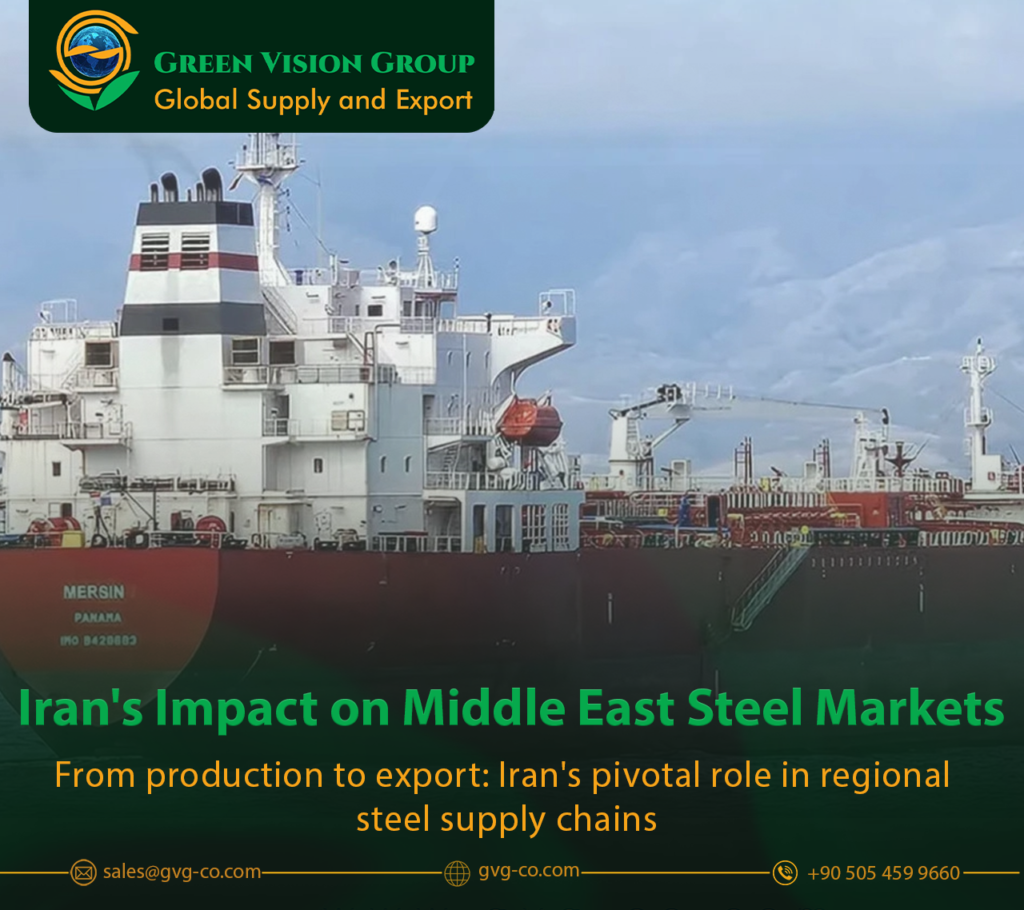
The industrial landscape of modern economic development has undergone significant changes, driven by the rapid expansion of heavy manufacturing sectors in emerging markets. Amid this transformation, Iran has emerged as a key player in metallurgical production and regional trade. The growing demand for structural materials is fueling large-scale infrastructure projects across neighboring regions, creating substantial opportunities for cross-border commerce.
As urbanization accelerates and construction activities scale up, regional markets are increasingly dependent on reliable supply chains capable of delivering consistent quantities of processed materials. This dependency has reshaped commercial dynamics, prompting governments to prioritize industrial self-reliance while encouraging strategic partnerships that emphasize sustainable exports. By seamlessly linking domestic production with international trade routes, manufacturers have established robust distribution networks designed to meet diverse market demands across the Middle East.
International commodity transactions have undergone significant changes in recent decades, influenced by shifts in global economic governance and regional trade patterns. In Iran, the deliberate development of metallurgical infrastructure has positioned local producers to increase output while maintaining competitive pricing, making their products more appealing on the international stage. Streamlined regulatory measures have simplified customs processes and reduced administrative barriers, facilitating the smoother cross-border movement of heavy industrial goods. These improvements have bolstered export capabilities, allowing manufacturers to secure long-term partnerships with international buyers who prioritize reliable supply chains, especially for steel shipments. Moreover, the strategic location of production facilities near key transportation corridors has optimized logistical operations, ensuring timely delivery to markets across the Middle East.
Market analysts often highlight the essential contribution of metallurgical production to strengthening economic stability and advancing infrastructure development in emerging markets. By employing targeted trade strategies, domestic producers skillfully navigate complex commercial networks to distribute specialized materials within the region. The steady growth in manufacturing capacity reflects Iran’s dedication to strategic industrial advancement and optimized resource management.
Additionally, the intensifying economic integration within the region has accelerated the movement of heavy commodities across borders, fostering deeper commercial cooperation and shared developmental objectives. As a prominent industrial force, Iran has established highly efficient distribution systems that guarantee timely deliveries and consistent quality standards for steel products. This capability has led to a growing dependency on local production facilities as they play a vital role in supporting large-scale urbanization initiatives and promoting economic modernization through robust export activities.
Production Capabilities and Resource Strength
Iran’s abundant mineral reserves form a strong foundation for the advancement of its heavy industry, with iron ore serving as a key driver of ongoing manufacturing growth. By capitalizing on its rich geological assets, the country produces high-quality alloys at competitive costs, ensuring a steady supply to support both domestic industries and international markets. This natural endowment bolsters exports that effectively meet construction requirements across the Middle East. To optimize these resources, advanced extraction methods and cutting-edge technologies are employed, enabling increased efficiency while minimizing environmental impact. Through the integration of modern beneficiation practices, local manufacturers have successfully transformed raw materials into high-value products that align with global steel production standards.
Modern smelting techniques have significantly improved efficiency in local production plants, enabling operators to handle greater output while reducing energy consumption. Iranian engineers continue to optimize furnace technologies to cut operating costs per ton of steel destined for Middle Eastern markets. These innovations not only enhance export opportunities but also ensure compliance with global quality standards for heavy industrial materials. The integration of automated monitoring systems has revolutionized thermal regulation in blast furnaces, allowing for accurate temperature control that enhances material uniformity. Additionally, advanced slag processing methods boost resource efficiency by reclaiming valuable byproducts for use in secondary production processes.
The reliability of supply chains depends on the consistent availability of raw materials and the efficient operation of processing plants at peak capacity. In the Middle East, maintaining stable industrial output has been crucial for driving extensive urban development and upgrading aging infrastructure. To address these needs, Iran has established strategic export agreements that guarantee a steady flow of deliveries year-round. These long-term procurement contracts offer manufacturers a dependable revenue stream, fostering opportunities for reinvestment in operational upgrades and workforce training. Furthermore, dedicated quality assurance laboratories ensure that every production batch complies with strict metallurgical standards before reaching commercial distribution networks.
Logistical and Transport Networks
Efficient transportation corridors are vital for the movement of heavy commodities across international borders, requiring coordinated investments in railways, highways, and maritime terminals. Iran has placed significant emphasis on expanding its railway network to improve distribution routes connecting coastal shipping facilities with global trade circuits. These initiatives have significantly reduced transit times for export shipments heading to the Middle East. The development of specialized freight corridors has substantially increased cargo handling capacity while easing supply chain bottlenecks that previously delayed timely deliveries. Modern intermodal hubs facilitate seamless transitions between rail, road, and maritime networks, optimizing overall distribution efficiency.
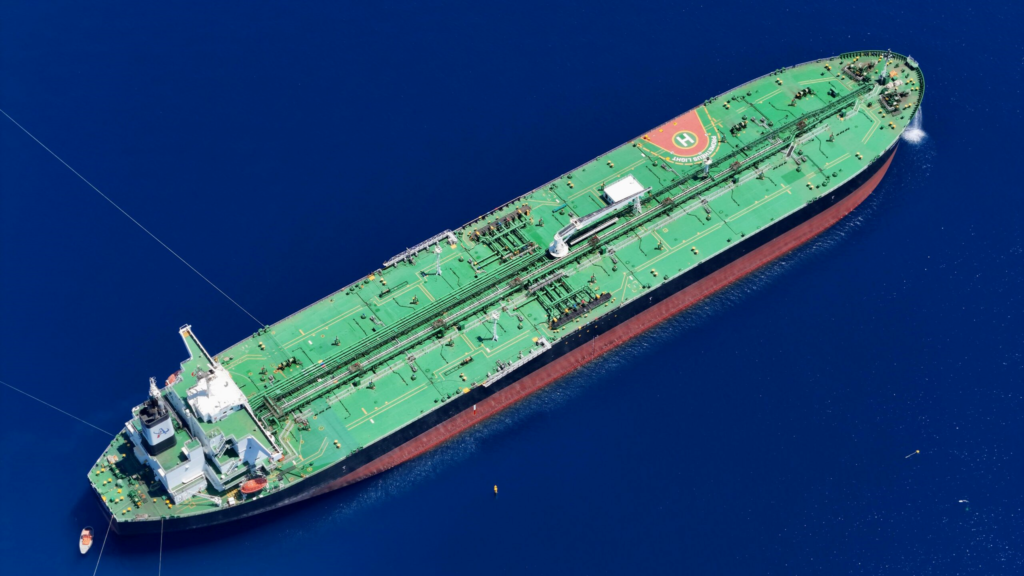
Port modernization initiatives significantly enhance cargo handling capabilities and play a crucial role in mitigating supply chain disruptions that frequently impact large industrial shipments. In the Middle East, advanced terminals now feature state-of-the-art loading systems designed specifically for handling bulk materials and containerized steel shipments. Iranian research centers collaborate closely with maritime hubs to align export schedules with the growing demands of regional construction projects. The integration of digital port management systems has further streamlined customs procedures, reducing administrative bottlenecks and accelerating international freight operations. Moreover, specialized heavy-load berths have improved the efficiency of bulk commodity transfers, facilitating smoother operations for large cargo vessels along critical maritime trade routes.
Aligning cross-border regulations facilitates smoother customs processes and accelerates commercial activities, especially in sectors dealing with heavy industrial goods. The steel industry, in particular, benefits greatly from the reduction in documentation requirements, which cuts down administrative bottlenecks and boosts supply chain transparency throughout the Middle East. This development positions Iran to enhance its export capabilities while maintaining competitive pricing in neighboring markets. Bilateral trade agreements contribute by harmonizing tariff systems, eliminating cost uncertainties, and creating stable business conditions conducive to long-term procurement deals. Additionally, digital customs platforms optimize operations by providing real-time data sharing among regulatory authorities, expediting clearance approvals for pre-verified shipments.
Major Competitive Edges in Regional Markets
Geographical proximity offers a notable logistical advantage for material suppliers in developing regions, enabling faster deliveries and reduced transportation costs. Iran leverages its strategic central location to supply raw materials more efficiently than competitors situated farther away in the Middle East. This prime positioning enhances export profitability and fosters stronger market integration with neighboring regions. Additionally, shorter transit routes lead to lower fuel consumption and a considerable decrease in carbon emissions associated with long-distance shipping. For regional buyers, quicker lead times align well with just-in-time inventory strategies, reducing the need for extensive warehousing in steel-based construction projects.
Lower energy costs considerably reduce manufacturing expenses for heavy industrial facilities with high thermal and electrical demands. Iranian domestic steel mills benefit from subsidized utility rates, giving them a competitive advantage and improving production margins across the Middle East. These cost savings allow producers to implement competitive export pricing strategies while maintaining long-term operational stability. The abundance of affordable natural gas serves as a dependable energy source, supporting the continuous power needs of furnaces. Furthermore, initiatives aimed at improving thermal efficiency optimize energy utilization by capturing waste heat and repurposing it for preheating processes and heating the facilities.
The availability of skilled labor and a solid foundation in engineering traditions significantly boost industrial competitiveness and foster operational excellence in heavy manufacturing industries. Within the Middle East, Iran is often recognized as a reliable partner for long-term infrastructure projects and efforts toward industrial modernization. By prioritizing stringent quality control processes, the country ensures its steel exports consistently meet rigorous standards essential for commercial construction. Comprehensive workforce development programs provide continual technical training, equipping operators with advanced knowledge in metallurgy and expertise in handling automated systems. Additionally, professional certification initiatives support engineers in staying updated on cutting-edge production methods while maintaining adherence to high safety standards.
Economic Frameworks and Trade Policies
Government regulations play a crucial role in shaping industrial production and the commercial distribution networks that support global commodity trade. In this context, Iran has implemented focused trade policies aimed at boosting manufacturing growth and promoting regional market integration across the Middle East. These initiatives are designed to enhance export volumes to neighboring countries while maintaining strategic control over resource allocation and production schedules. Industrial zoning regulations further support these goals by designating specialized manufacturing zones, facilitating streamlined operations within organized logistical frameworks. Additionally, export incentive schemes provide financial support to domestic enterprises that adhere to strict quality benchmarks and consistent delivery standards.

Bilateral agreements are instrumental in reducing tariff barriers and simplifying cross-border trade for heavy commodities that are essential to regional infrastructure development. Countries in the Middle East are focusing more on negotiating preferential terms to secure a reliable supply of steel, a critical resource for their extensive urbanization initiatives and industrial modernization strategies. These diplomatic endeavors strengthen trade networks in Iran and contribute to stabilizing export pricing structures, which are vital for sustainable long-term procurement arrangements. Economic partnership agreements also encourage mutual recognition of quality standards and adherence to safety protocols, thereby making cross-border commercial activities more efficient. Joint venture frameworks further support collaborative research, driving technological progress and improving operational efficiency in heavy manufacturing industries.
Currency exchange mechanisms and financial clearing systems play a pivotal role in enhancing the efficiency of international trade and ensuring the reliability of commercial transactions. Within the steel sector, a stable monetary framework is essential to support long-term supply agreements that often involve significant financial investments and extended payment timelines. Iran tackles these challenges by developing specialized financial corridors aimed at simplifying export settlements across the Middle East. Centralized clearing institutions support swift currency conversions, effectively mitigating exchange rate fluctuations and lowering transaction expenses tied to cross-border trade activities. Additionally, digital payment systems facilitate secure fund transfers while adhering to global banking standards and anti-money laundering policies.
Progress and Innovations in Steel Production
Digital transformation is reshaping heavy manufacturing processes and setting new benchmarks for quality control in modern industrial operations. In this context, Iran has been investing heavily in automated monitoring systems to enhance production efficiency. These advancements contribute to improved export reliability, reduced operational waste, and heightened profitability in the manufacturing sector. Integrated sensor networks within production lines collect real-time data on critical factors such as temperature fluctuations, material characteristics, and mechanical stress trends. This data is then processed by advanced analytics platforms, enabling accurate maintenance predictions and optimized production scheduling to ensure peak performance.
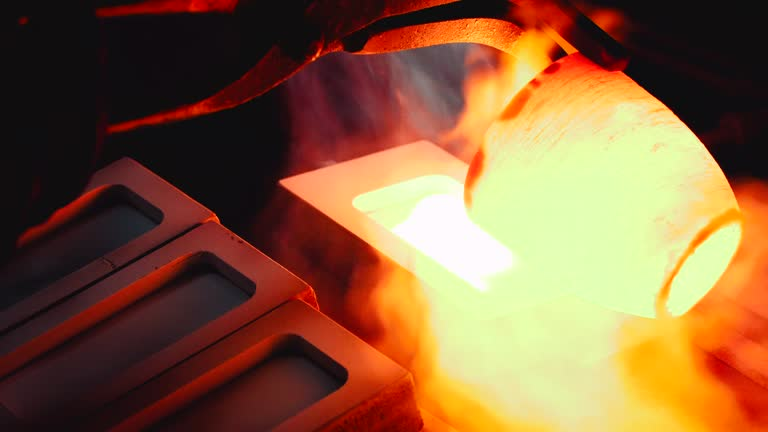
Advanced metallurgical research is enabling manufacturers to develop specialized alloys tailored for extreme climates and demanding structural applications. In the Middle East, there is a growing reliance on high-performance steel for coastal infrastructure and desert construction due to its durability and resistance to corrosion. Research institutions in Iran are collaborating with regional universities to produce export-quality materials that meet global engineering standards. Cutting-edge laboratory facilities conduct in-depth stress analysis, fatigue testing, and environmental simulations to evaluate how these materials perform under harsh conditions. Such thorough assessments ensure that commercial products retain their structural integrity and reliability over long periods of use.
Predictive maintenance algorithms are essential for minimizing equipment downtime and extending the lifespan of machinery in industrial plants that operate under demanding, continuous conditions. In the steel industry, the adoption of data-driven operational planning delivers notable benefits, enhancing productivity and reducing production stoppages linked to maintenance. This approach enables Iran to maintain consistent export schedules while meeting the strict standards of the Middle East market. Automated diagnostic systems play a pivotal role by identifying early indicators of mechanical wear, thereby averting major equipment breakdowns. By emphasizing planned maintenance over reactive repairs, these systems significantly reduce operational interruptions and improve the longevity of assets.
Environmental and Sustainability Aspects
Global environmental regulations are steadily influencing heavy industries, driving the adoption of emission reduction targets that transform commercial manufacturing practices. In this context, Iran has implemented green manufacturing initiatives designed to minimize the environmental impact of production facilities across the Middle East. These sustainable practices not only reduce ecological footprints but also boost competitiveness in export markets while adhering to international climate goals aimed at cutting carbon emissions and preserving natural resources. To support these efforts, atmospheric emission monitoring systems track the release of particulate matter, sulfur dioxide, and nitrogen oxides from industrial combustion processes. Additionally, advanced filtration technologies effectively capture harmful pollutants before they enter the atmosphere, significantly improving air quality in industrial areas.
The principles of a circular economy prioritize recycling materials and conserving resources, with a strong focus on heavy manufacturing industries that have traditionally depended on extracting virgin raw materials. In the Middle East, countries are progressively encouraging the use of recycled steel in new construction projects to reduce environmental impact and lower material expenses. Iran is advancing this transition by establishing sophisticated scrap processing facilities aimed at supporting sustainable exports and decreasing dependence on primary ore mining. State-of-the-art automated sorting systems enable precise separation of metals from non-metallic impurities, increasing recycling effectiveness while reducing waste. Additionally, electric arc furnace technologies utilize recycled scrap as their primary input, offering a far more energy-efficient alternative to traditional blast furnace methods.
Water conservation technologies address critical resource challenges in dry industrial areas, especially where extensive cooling systems are crucial for active metallurgical processes. The steel industry requires effective thermal management solutions that reduce pressure on local freshwater supplies and agricultural irrigation systems. In Iran, closed-loop filtration networks help maintain export competitiveness and environmental balance in the Middle East. Sophisticated membrane filtration methods purify process water by eliminating dissolved minerals and particulates, allowing for continuous reuse in industrial cooling systems. Innovations in evaporative cooling improve thermal transfer efficiency and minimize atmospheric evaporation, thereby reducing water loss.
Competitive Landscape and Strategic Market Placement
The landscape of international trade is continuously evolving, shaped by the emergence of new industrial players vying for regional market dominance in established sectors. In this competitive arena, Iran has prioritized product differentiation and the stability of its steel supply chains across the Middle East. Through strategic positioning, domestic producers have managed to maintain strong export relationships despite external challenges and fluctuating market dynamics. Achieving competitive pricing remains dependent on ongoing efforts to boost operational efficiency, reduce production costs, and ensure consistent material quality and reliable delivery. Strengthened by tailored technical support and adaptable procurement strategies, customer relationship management initiatives play a crucial role in fostering enduring commercial partnerships.
Global fluctuations in commodity prices demand that the steel industry adopt responsive manufacturing strategies and implement adaptable contract frameworks to navigate shifting economic conditions effectively. In the Middle East, competitors frequently adjust production levels to seize market opportunities during times of economic expansion or heightened infrastructure investments. Iran prioritizes optimizing operational costs and maintaining consistent export pricing to ensure long-term financial stability. The use of hedging tools helps producers mitigate risks from adverse price changes by locking in favorable rates over extended procurement periods. Additionally, flexible production planning enables rapid capacity adjustments, allowing companies to respond efficiently to seasonal demand variations and align with regional construction timelines.
Quality certification standards serve as critical distinguishing factors within the highly regulated industrial procurement processes that influence commercial construction projects. In the Middle East, buyers prioritize suppliers who consistently meet international specifications and maintain high structural safety standards for steel. To meet these expectations, Iran has strengthened its quality assurance protocols, ensuring that all export batches comply with strict manufacturing guidelines. Compliance with globally recognized quality management systems is verified by independent auditing agencies that monitor production practices and testing procedures. Additionally, robust traceability systems are in place to document comprehensive details of raw material sourcing, processing conditions, and final product testing results for every commercial shipment.
Investment and Financial Backing for Expansion
Capital allocation strategies are pivotal in determining the rate of industrial growth and the adoption of emerging technologies within capital-intensive heavy manufacturing sectors. In Iran, substantial financial investments are channeled into modernization efforts designed to increase production capacity and optimize efficiency across the Middle East. These initiatives not only stimulate export growth but also aid in regional market integration and ensure the sustainability of operations in the long term. Venture capital plays a significant role in supporting innovative startups specializing in advanced metallurgical techniques and automated production systems. Additionally, public-private partnerships facilitate large-scale infrastructure projects, advancing transportation networks and enhancing industrial processing capabilities.

Foreign direct investment introduces advanced operational strategies and expands distribution networks for steel, enabling access to regional markets that were previously unattainable. Collaborative initiatives across the Middle East foster the exchange of expertise and the establishment of joint ventures in heavy industry, accelerating the adoption of new technologies. In this context, Iran leverages such partnerships to secure export financing and mitigate economic volatility by diversifying its revenue streams. Through technology licensing agreements, local producers can implement exclusive production techniques, enhancing product quality and streamlining operations. Moreover, joint research endeavors integrate financial resources and technical expertise to develop innovative material formulations and eco-friendly manufacturing processes.
Currency stabilization policies and trade credit facilities are vital for maintaining reliability in commercial transactions involving heavy industrial commodities, especially those with prolonged payment cycles. In the steel industry, stable financial conditions are crucial for executing large-scale procurement contracts while ensuring smooth operational cash flow. Iran has introduced specialized banking instruments to streamline export settlement processes within the Middle East. Customized trade finance solutions provide working capital support, effectively bridging the gap between production completion and client payments. Additionally, credit insurance mechanisms protect transactions from non-payment risks, enabling extended credit terms with reliable trading partners.
Future Prospects and Strategic Growth Plans
Economic projections indicate sustained growth in construction and infrastructure development across emerging markets, driven by substantial demand for material resources. In response, Iran is positioning itself strategically to capitalize on this momentum by increasing manufacturing output and diversifying its product offerings to cater to the Middle East region. Through meticulous strategic planning, the country aims to safeguard the stability of its export operations amidst shifting geopolitical dynamics and evolving regulatory environments. The ongoing trend of urbanization continues to amplify the need for construction materials vital to residential, commercial, and industrial projects. Additionally, investments in transportation infrastructure are boosting demand for robust, high-performance materials capable of withstanding heavy loads and adverse environmental conditions.
Innovation ecosystems and industrial clusters are set to drive the future of manufacturing competitiveness and operational excellence in steel production, playing a vital role in boosting regional economic growth. In the Middle East, numerous regions are actively seeking reliable partners to support their ambitious urbanization and industrial modernization initiatives. Iran is addressing these demands by prioritizing research investments and maintaining timely export deliveries to meet commercial project timelines. Partnerships between academia and industry accelerate the transfer of technology, turning laboratory research into practical, market-ready applications. Technology incubators play a crucial role by nurturing startups focused on pioneering solutions that improve manufacturing efficiency and advance environmental sustainability.
Sustainable development goals and circular economy principles are poised to transform the commercial priorities of heavy industries, shaping the future of manufacturing practices. In the Middle East, there is an increasing emphasis on environmental compliance and resource efficiency within procurement processes, aligning with regional development objectives. Iran is embedding these principles into its industrial strategies to ensure long-term export competitiveness and sustain its leading position in the steel industry. Ambitious carbon reduction targets are driving investments in low-emission production technologies and the integration of renewable energy into industrial operations. At the same time, stringent water conservation requirements are prompting the adoption of advanced recycling systems to minimize reliance on freshwater resources and protect regional aquatic ecosystems.
Conclusion
A comprehensive analysis of regional industrial dynamics reveals that Iran has emerged as a central player in supplying materials and distributing goods across neighboring territories. Through sustained investments in production infrastructure, streamlined logistics, and advancements in technology, the country has significantly strengthened its commercial foothold and expanded its economic connections throughout the Middle East.
The adoption of international quality benchmarks and a commitment to environmental sustainability have further solidified its market reputation while supporting long-term operational stability. Improved manufacturing processes and dependable supply chains have created favorable conditions for regional development initiatives and infrastructure expansion. As a result, Iran’s steady steel exports continue to play a vital role in fostering economic partnerships and driving shared growth across the broader region.
Market competitiveness is deeply tied to operational efficiency, technological innovation, and sustainable resource management critical foundations of contemporary industrial practices. The strategic cultivation of international partnerships and financial investment structures has fueled technological advancements while broadening distribution networks across diverse regional markets. Comprehensive quality assurance protocols and adherence to environmental standards have strengthened customer trust and reduced risks for commercial buyers who prioritize durability and regulatory compliance.
These cohesive management strategies are essential for maintaining a resilient and long-term market presence, while addressing shifting economic dynamics and regional development priorities, particularly in the Middle East. As industrial frameworks continue to evolve, Iran must remain committed to adaptive strategies to uphold its position as a leading exporter of high-quality materials and advanced metallurgical products.
The future of commercial growth will rely heavily on the implementation of adaptive manufacturing systems, sustainable production methods, and strategic resource management aligned with shifting market demands. Embracing advanced digital technologies and automated monitoring solutions is expected to enhance operational efficiency while reducing environmental footprints in industrial processes. Continued investments in workforce development, innovation driven by research, and infrastructure modernization will be pivotal in sustaining global competitiveness. By emphasizing quality, sustainability, and reliability, domestic industries can drive regional economic development and industrial advancements well into the future. In addition, Iran’s strategic initiatives to expand steel production and strengthen export strategies will foster enduring partnerships and contribute to shared prosperity across the Middle East.
This report was prepared by the market intelligence team at GVG Co, a Turkish supplier of raw materials including steel sections, billets, and industrial ores. For specific inquiries about product availability, pricing, and logistics options, please contact our export department. We are committed to helping our customers navigate this challenging environment with reliable supply and transparent communication.


No comment