
 En
En

Quick Summary: On June 14, 2026, the United States and Iran reached an initial peace agreement that authorizes the toll-free reopening of the Strait of Hormuz. For buyers and suppliers of ferrous raw materials, bitumen, and petrochemicals, this is the most significant supply chain development of the year. Here is what the deal means, what happens next, and how to position your procurement strategy right now.
Table of Contents
What the Deal Actually Says
On June 14, 2026, US President Donald Trump declared the deal with Iran complete on Truth Social, writing: “I hereby fully authorize the toll free opening of the Strait of Hormuz raw material supply, and, simultaneously herewith, authorize the immediate removal of the United States Naval blockade. Ships of the World, start your engines. Let the oil flow.”
Pakistani Prime Minister Shehbaz Sharif, who served as the chief mediator, made a near-simultaneous announcement confirming the agreement. A formal signing ceremony is scheduled for Geneva on June 19, 2026.
What is actually in the deal? Here is what is confirmed so far:
Phase One (Immediate): The US naval blockade on Iranian ports is lifted. The Strait of Hormuz reopens for toll-free international shipping. Iran begins mine-clearance operations to restore safe passage — this is expected to take up to 30 days before full commercial traffic resumes normally.
Phase Two (60-day negotiation window): Discussions begin on Iran’s nuclear program, remaining US and international sanctions, and the unfreezing of approximately $24 billion in Iranian assets (half released before negotiations begin).
What is NOT resolved yet: Iran’s nuclear program, full sanctions relief, and the long-term status of Iranian oil exports. These remain contested, and the 60-day window could break down. The UAE’s state-owned oil company has said that even with a deal, full shipping flows may not fully normalize until 2027.
So this is a significant step, but not the end of the story.
Why the Strait Matters More Than You Think
Most of the coverage on the Strait of Hormuz focuses on oil and gas. That framing misses the bigger picture for industrial raw material buyers.
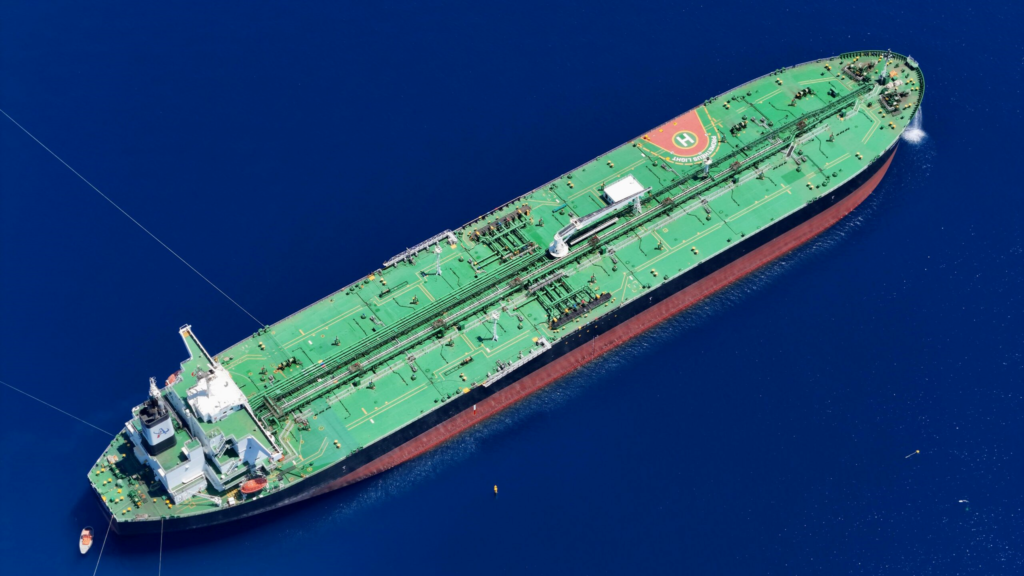
At its narrowest point, the strait is only 21 nautical miles wide. Before the conflict, roughly 3,000 vessels transited it every month. Approximately 20% of global petroleum and 20% of global LNG passed through annually. But that same corridor was also the primary logistics artery for:
- Iron ore pellets shipped to Gulf-based DRI plants in Iran, UAE, and Saudi Arabia
- Steel billets, rebar, and semi-finished steel moving between Persian Gulf producers and buyers in India, Southeast Asia, and East Africa
- Bitumen exported from Iranian refineries to construction markets across Asia and Africa
- Urea and fertilizers, with the Arabian Gulf accounting for at least 20% of all seaborne fertilizer exports worldwide
- Aluminum and copper, with copper surging past $13,000 per tonne on the LME during the closure
The closure did not just cut off oil. It severed the industrial supply chain connecting Middle Eastern producers to the global market.
What Happened to strait of hormuz raw material supply During the Closure
The conflict began on February 28, 2026. Within weeks, the impact on raw material supply was severe and measurable.
Iron ore and steel: Iran’s steel sector runs on energy. The strikes disconnected major steel plants from the national grid. Production of steel sections, billets, and iron ore pellets collapsed. Iron ore exports from Iran, which had averaged around 570,000 tonnes per month, fell to roughly 186,000 tonnes in March — a 65% reduction. Exports to China, previously Iran’s largest iron ore customer, stopped completely. The remaining ore was redirected to domestic steel plants operating on generators.
Shipping costs: The Baltic Dry Index rose 13% in the first weeks of the conflict. War risk insurance premiums made routine voyages uneconomical. Ships rerouted around the Cape of Good Hope, adding 10-15 days to transit times and significant fuel cost. S&P Global Commodity Intelligence modeled a potential 11.3% increase — approximately $5.76 per dry metric tonne — in the global iron ore cost base from shipping and energy shocks alone.
Oil prices: Crude peaked at around $118 per barrel during the blockade period, before falling back to approximately $83 per barrel when an earlier temporary ceasefire opened the Strait of Hormuz raw material supply briefly in April.
Bitumen and petrochemicals: Iranian bitumen exports dropped sharply, with vessels unable to load at Bandar Abbas or Bushehr. The fertilizer trade was even harder hit, with monthly exports falling from 130,000 tonnes to around 10,000 — a 92% reduction.
Broader metals: Aluminum Bahrain reported it had roughly one month of raw materials remaining at current operating rates by mid-March and was exploring alternative routes through Oman’s Port of Sohar and Port of Fujairah.
This was not a theoretical disruption. These are recorded trade volumes from March and April 2026.
What the Reopening Changes — and What It Does Not
The deal announcement is genuinely good news for global supply chains. But buyers should plan carefully rather than simply assuming normalcy returns overnight.
What changes immediately: Shipping insurance costs will begin easing. Freight rates for routes through Hormuz and into the Persian Gulf should come down. Vessels that had been avoiding the region can begin returning. The signal to the market is clear — oil prices fell sharply on the news, just as they did briefly in April when the temporary ceasefire was announced.
What takes time: Mine clearance. Iran deployed naval mines in the strait during the conflict. The initial reopening is technically authorized “for purposes of mine removal,” according to Trump. Commercial shipping will not resume at full pre-war volumes until those mines are cleared and shipping companies are confident in safe passage. This is likely measured in weeks, not days.
What remains uncertain: The 60-day negotiation window has a real risk of breaking down. Iran wants its nuclear program retained as a bargaining chip. The US wants verifiable dismantlement. If the second-phase talks collapse, sanctions relief does not come through — and that directly affects whether Iranian producers can return to full export capacity.
The restocking surge: When the Strait of Hormuz raw material supply fully reopens, buyers who have been working through stockpiles for months will move to replenish inventory simultaneously. Based on historical patterns from previous supply disruptions, this creates a short, sharp spike in spot prices for rebar, billets, and HRC before normalizing over 6-8 weeks as restocking cycles complete. Buyers who move early — before the restocking rush is priced in — will get better terms.
Product-by-Product Breakdown
Iron Ore, Pellets, and DRI / HBI
Iran was a significant supplier of iron ore concentrate, pellets, Direct Reduced Iron (DRI), and Hot Briquetted Iron (HBI) to buyers in India and Southeast Asia before the conflict. That supply channel has been essentially offline since March.
With the deal, Iranian producers can theoretically resume exports. But realistically, the timeline looks like this: mine clearance takes 2-4 weeks; shipping companies return to the region; Iranian steel plants reconnect to the grid and rebuild operating rates; export volumes ramp up over 60-90 days. Do not expect a flood of Iranian material hitting the market in July.
In the interim, buyers who need DRI, HBI, or iron ore pellets should not wait for Iranian supply to return. Alternative suppliers — including those operating through non-Gulf routes — remain the reliable option for Q3 commitments.
Steel Billets and Semi-Finished Steel
Iranian billets had been a cost-effective feedstock for rolling mills across Southeast Asia. That pipeline stopped in March. Buyers who scrambled to find alternatives will now face a choice: return to Iranian sourcing as it recovers, or stick with the alternative arrangements they have built over the past three months.
The reopening also affects GCC steel markets. Saudi Arabia, the UAE, and Qatar all import significant volumes of steel inputs through Hormuz. Chinese exporters, who were rerouting or deferring GCC shipments, can now fulfill backlogged orders. This is likely to create some near-term price softness in those markets.
Bitumen
Iranian bitumen is among the most competitively priced in the world, and it feeds road construction markets across South Asia, East Africa, and parts of Europe. The reopening means export capacity can rebuild — but again, at a pace dictated by port operations, vessel availability, and banking access (which remains constrained by sanctions during the 60-day window).
Buyers who have built alternative supply arrangements should maintain those relationships as backup, even as Iranian volumes return.
Urea and Fertilizers
The Arabian Gulf accounts for close to half of global urea trade. The Hormuz closure devastated that supply chain. With the Strait of Hormuz raw material supply resuming, Gulf urea producers can resume normal shipments. Given how dramatic the supply interruption was (a 92% drop in Iranian exports), the return of supply should offer some relief to agricultural commodity markets that were facing sharply higher fertilizer costs.
Price Outlook for the Next 60 Days
Here is the honest picture, organized by likely scenario:
Scenario A — Deal holds and mine clearance completes smoothly (most likely): Freight costs fall significantly within 3-4 weeks. Oil continues to ease from its peak levels. Steel rebar and billet prices stabilize or soften slightly as the supply-side anxiety premium drains out of the market. Iranian material begins returning in Q3 but does not represent a flood. Bitumen sees improved availability but not immediately lower prices due to restocking demand. Net result: a buyer’s market by August for those willing to commit forward.
Scenario B — 60-day nuclear talks break down (moderate risk): The initial ceasefire holds and the strait stays open, since that is the main concession Iran has already made. But full sanctions relief does not materialize. Iranian producers can export but face banking and payment friction. Export volumes recover more slowly. Prices remain elevated compared to pre-conflict levels. This is actually the most complex scenario for procurement managers: the supply route is open, but the commercial mechanisms to use it are still restricted.
Scenario C — Deal collapses, conflict resumes (low but non-zero risk): Oil spikes again. Freight markets go back into emergency mode. The restocking that buyers attempted during the brief windows gets disrupted. This would extend the supply crisis into late 2026.
The base case is Scenario A, with elements of Scenario B in the near term while banking and sanctions frameworks catch up to the ceasefire reality.
What Buyers Should Do Right Now
The deal was announced yesterday. Here is a practical sequencing for procurement teams:
This week: Review your Q3 supply commitments. Identify which contracts were priced at conflict-era premiums and which have flexibility to renegotiate. Talk to your logistics partners about revised transit times for Persian Gulf-origin material.
In the next two to four weeks: Do not rush to cancel alternative supply arrangements. The mine clearance timeline means full commercial passage is still weeks away. Use this window to lock in forward pricing before the restocking surge drives spot markets higher.
Over 60 days: Watch the second-phase nuclear negotiations closely. The pace of sanctions relief will determine how quickly Iranian producers — including bitumen refiners, DRI plants, and steel mills — can return to normal export operations. Banking access is a critical bottleneck that will resolve more slowly than the physical reopening of the strait.
For longer-term strategy: This disruption revealed a structural vulnerability in single-corridor supply chains. Companies that had diversified sourcing through Turkey, Russia, or non-Gulf routes maintained better continuity. That diversification logic still applies even as Hormuz reopens.
How GVG Is Responding
Green Vision Group has been active throughout the disruption, maintaining supply continuity for clients across ferrous raw materials, bitumen, steel products, and petrochemicals from our base in Turkey.
Turkey’s geographic position gives us direct access to supply routes and logistics networks that were not affected by the Hormuz closure. We maintained shipments through Black Sea and Mediterranean corridors throughout the conflict period.
As the Strait of Hormuz raw material supply reopens, we are actively monitoring vessel availability, insurance rates, and port conditions at Bandar Abbas and Bushehr. We expect to resume full supply coordination for Iranian-origin materials — including DRI, HBI, iron ore concentrate, and bitumen — as commercial shipping lanes stabilize.
For clients managing Q3 procurement decisions right now, we recommend contacting us directly. Pricing and availability are moving quickly in both directions, and the window to lock in favorable forward contracts before the restocking surge is narrow.
Ready to discuss your Q3 supply requirements? Contact our team through the LOI Form or reach us directly via our Contact page.
Key Takeaways
The US-Iran deal of June 14, 2026 authorizes toll-free reopening of the Strait of Hormuz raw material supply and ends the US naval blockade on Iranian ports.
- The US-Iran deal of June 14, 2026 authorizes toll-free reopening of the Strait of Hormuz raw material supply and ends the US naval blockade on Iranian ports.
- Full commercial shipping will take 2-4 weeks to resume, pending mine clearance operations.
- A 60-day window of negotiations on nuclear issues and sanctions relief begins next week, with $12 billion in frozen Iranian assets unfrozen before talks start.
- Ferrous raw materials, bitumen, DRI, HBI, and urea were all severely disrupted during the closure. Supply recovery will be gradual, not immediate.
- Buyers face a short-window opportunity to lock in forward pricing before restocking demand drives spot prices higher.
- The UAE estimates full Hormuz traffic normalization may not occur until 2027, even under the current deal.
This article reflects market conditions and publicly reported information as of June 16, 2026. Supply chain conditions are evolving rapidly. Contact GVG directly for current pricing and availability on specific products.Green Vision Group is a global supplier of ferrous raw materials, bitumen, steel products, urea, and petrochemicals, headquartered in Turkey. We supply industrial materials to clients across Asia, Europe, and Africa.


No comment